Move Over, Witcher! Netflix Drops a 16-Episode Fantasy Epic Critics Call 'Perfect'
Viewers seeking escape can delve into the intricate world of 'The Haunted Palace,' a South Korean fantasy dramedy that became a Netflix hit by blending historical fiction with supernatural conflict and romance. Alternatively, a popular Collider quiz helps identify which iconic universe—from Star Wars to Game of Thrones—best aligns with one's personal values and instincts, offering a unique form of engagement with beloved fictional worlds.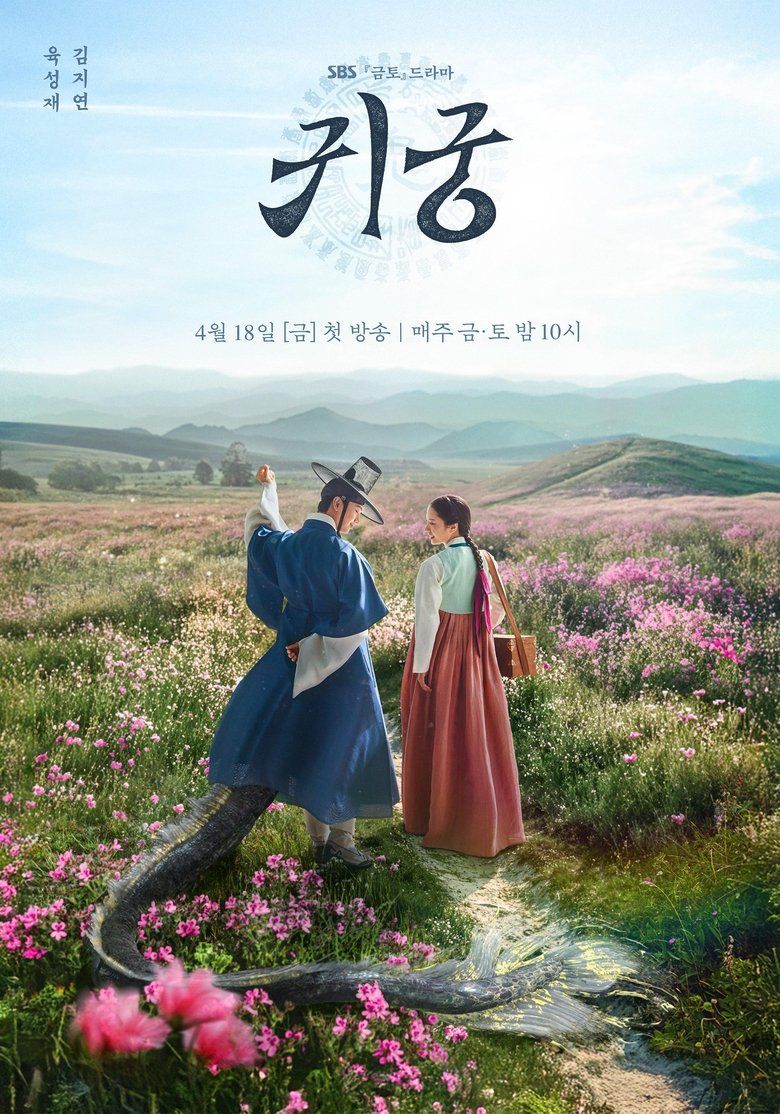
For many viewers, television offers a much-needed escape into entirely new worlds, moving beyond the realities of romance or societal commentary. Whether seeking comfort or adventure, the best fantasy TV shows excel at transporting audiences into different realities. A prime example is 'The Haunted Palace,' a South Korean period-fantasy dramedy that has captivated audiences globally. According to FlixPatrol, this Netflix original generated an impressive 84.4 million hours of viewing since its premiere in April, solidifying its status as a must-watch, particularly lauded for its twisty finale.
'The Haunted Palace,' directed by Yoon Sung-sik, intricately weaves a narrative around palace official Yoon Gap (Yook Sung-jae), who becomes possessed by the mythological serpent spirit, Gang Cheol. The spirit, destined for ascension to space after a millennium on Earth, finds himself unexpectedly trapped in Yoon Gap's body. Adding a layer of emotional complexity, local shaman Yeo-ri (Kim Ji-yeon, also known as Bona), who has long resisted her fate as a medium, is helplessly in love with Yoon Gap, her first love. As Yeo-ri attempts to leave her shamanic past behind, she discovers an unexpected and profound connection with Gang Cheol, who now inhabits Yoon Gap's form. The series is rich with themes of vengeance, destiny, and spiritual conflict, yet at its heart, it maintains a romantic-comedy sensibility with numerous twists and surprises, delivering an emotionally and atmospherically rich 'old-world-meets-supernatural' vibe rare in contemporary K-dramas.
Throughout its 16 episodes, 'The Haunted Palace' skillfully balances the palpable chemistry between Yeo-ri and Yoon Gap, all while building towards an emotional and high-stakes finale. As ominous signs and unexplained deaths begin to plague the royal palace, Yeo-ri and Gang Cheol are drawn into a centuries-old tragedy born from betrayal and war. Their collective fight is against evil forces, particularly the vengeful spirit Palcheok-gwi, whose mission is to obliterate the royal bloodline. Palcheok-gwi's origin is revealed to be a royal guard, betrayed by the king and massacred a century prior, now seeking vengeance for the brutal invasion. In a significant departure from traditional conflict resolution, the series grants the spirit a second chance through acknowledgment and remorse, ultimately lifting the long-standing curse on the royal bloodline. Following their perilous confrontation, the finale presents Gang Cheol with a critical choice: complete his delayed ascension to heaven or embrace mortality and return to the human world. Looking into Yeo-ri's eyes, he chooses humanity, opting for a future alongside her. The narrative concludes on a hopeful note, emphasizing that compassion and empathy possess immense power to heal old wounds and rectify deep-seated betrayals. The show's popularity, reflected in its massive viewing hours, underscores the effectiveness of its unique blend of historical fiction, folklore, fantasy, and sci-fi elements, making it one of 2025’s breakout hits.
Complementing the desire for fictional immersion, Collider offers an interactive 'Universe Personality Quiz' titled 'Which Iconic Universe Do You Belong in the Most?' This quiz invites participants to discover which of five legendary universes—Star Wars, Lord of the Rings, Harry Potter, Game of Thrones, or Star Trek—best aligns with their instincts, values, and particular way of existing. Each universe represents a distinct vision of what the world could be or already was, challenging players through eight carefully crafted questions to reveal their ideal fictional home.
The quiz begins by probing a person's PURPOSE (Question 1): What gives your life its deepest sense of meaning? Options range from being part of a larger cause (Star Wars) to valuing the journey itself (Lord of the Rings), seeking knowledge and growth (Harry Potter), building a legacy of power (Game of Thrones), or understanding the vastness of the universe (Star Trek).
Next, it explores the preferred WORLD (Question 2): Which kind of world do you most want to inhabit? Choices include a galaxy of planets connected by conflict (Star Wars), ancient lands with creeping darkness (Lord of the Rings), a hidden world of magic and community (Harry Potter), a brutal continent where power reigns (Game of Thrones), or a future where humanity reaches the stars (Star Trek).
The nature of CONFLICT is examined in Question 3: How do you prefer your conflicts resolved? Answers vary from sacrifice and courage (Star Wars), fellowship (Lord of the Rings), personal growth (Harry Potter), strategic outthinking (Game of Thrones), to dialogue and peaceful resolution (Star Trek).
Question 4 delves into ideal COMPANIONS: Who do you want beside you when things get difficult? Options suggest a small, broken but unbeatable crew (Star Wars), a diverse fellowship bound by purpose (Lord of the Rings), childhood friends (Harry Potter), loyal allies whose ambitions align (Game of Thrones), or a brilliant, curious, principled crew from across space (Star Trek).
The quiz then addresses one's relationship with POWER (Question 5): How you seek, wield, or resist power is a map of who you are. Responses include using power to protect while fearing corruption (Star Wars), distrusting and being willing to give up power (Lord of the Rings), earning power through knowledge (Harry Potter), wielding it proactively (Game of Thrones), or understanding its structures and ethical dimensions (Star Trek).
Question 6 probes MORALITY: How does your universe treat good and evil? Participants can choose between a clear dark and light side (Star Wars), ancient evil vs. small acts of goodness (Lord of the Rings), good and evil within complicated people (Harry Potter), good and evil as matters of perspective and power (Game of Thrones), or evil as a result of ignorance/broken systems (Star Trek).
The penultimate question, ROLE (Question 7), asks what role one would naturally fall into: Options include the reluctant hero (Star Wars), the unlikely carrier (Lord of the Rings), the student (Harry Potter), the player (Game of Thrones), or the explorer (Star Trek).
Finally, HOPE (Question 8) reveals ultimate beliefs about the future: Answers range from hope being real even in darkness (Star Wars), small people changing the future (Lord of the Rings), love/friendship/doing right mattering (Harry Potter), the wheel turning and fighting enduring (Game of Thrones), to humanity being capable of extraordinary things (Star Trek).
Upon completion, the quiz determines which universe a participant truly belongs in. For those suited to Star Wars, their belief in a cause and freedom, and their view of hope as resistance, aligns them with the Rebellion. Individuals belonging in Middle-earth (Lord of the Rings) understand the journey's importance and the value of protecting beauty, thriving on patience, loyalty, and the strength of fellowship. The Wizarding World (Harry Potter) is for those who believe love, loyalty, and doing right are powerful forces, valuing learning, friendship, and standing for convictions. Those destined for Westeros/The Known World (Game of Thrones) see the world's power structures clearly, using intelligence and adaptability to navigate alliances and prepare for challenges. Lastly, individuals aligned with The United Federation of Planets (Star Trek) believe in building a future through curiosity, cooperation, and understanding, embracing optimism about intelligence and decency while acknowledging the effort required. Both 'The Haunted Palace' and this engaging quiz offer distinct yet equally compelling ways for audiences to connect with and immerse themselves in the rich tapestry of fantasy and fictional storytelling.