Morgan Spector Reveals High Stakes for 'The Gilded Age': 'Life or Death' Drama Unfolds
Season 3 of "The Gilded Age" delves into darker territory, as George Russell faces a life-threatening incident that forces a re-evaluation of his marriage with Bertha. Actor Morgan Spector discusses the season's high stakes, the evolving Russell dynamic, and the show's unexpected connections to contemporary societal issues, revealing how the series continues to captivate audiences with its complex portrayal of ambition and power.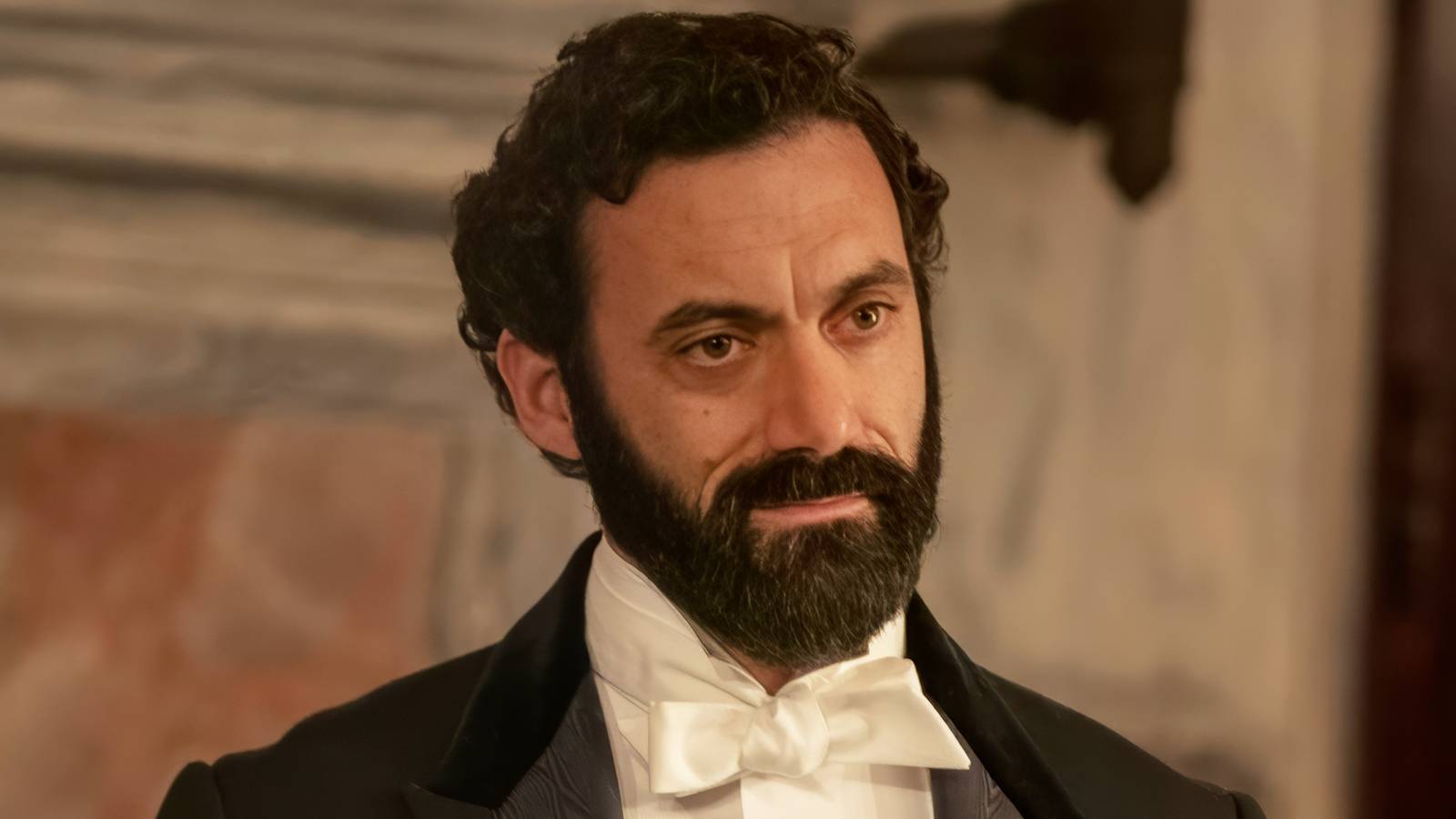
The third season of HBO's acclaimed drama, "The Gilded Age," has marked a significant shift into darker and more high-stakes narrative territory, a departure from the relatively lower stakes of its initial years. Actor Morgan Spector, who portrays the formidable George Russell, noted that it's challenging to describe this season as one where "nothing ever happens," emphasizing the constant plot development and life-or-death stakes introduced. While previous seasons masterfully dramatized social intricacies, Season 3 embraced profoundly impactful events that pushed the series into new narrative ground.
A pivotal moment in the season was the shocking shooting of George Russell in his own office, leaving his life precariously balanced. This dramatic event culminated in a risky, bloody surgery performed on the Russells' dining room table — a stark contrast to the opulent meals Bertha Russell (Carrie Coon) typically hosted there. Spector highlighted this as a clear indicator of the show's leap into uncharted, more visceral territory, differing from the more discreet handling of sensitive subjects in earlier seasons, such as a character's suicide.
Beyond the immediate physical threat, George's near-death experience served as a catalyst for a deeper re-evaluation of his life and, critically, his relationship with Bertha. While Bertha saw the ordeal as an opportunity to reconcile and reinvest in their marriage, having come to terms with the potential loss of her husband, George's perspective was markedly different. He found himself grappling with a profound sense of failure, particularly his regret over insisting their daughter, Gladys (Taissa Farmiga), marry a man she didn't love. This personal failing, an anomaly for a man accustomed to success, became a central point of reckoning for George.
The season finale's poignant scene between George and Bertha, before Gladys' joyous announcement, underscored their fractured state. Spector revealed that this scene was crafted to function both as a potential series finale, offering a respectful, albeit ambiguous, parting for the couple, and as a springboard for future seasons. The delicate balance was to acknowledge the mutual respect and ambition that once defined their relationship, even as George vocalized his perception of Bertha violating their understanding through her social machinations that compromised their family's stability. This intimate "backstage" glimpse into their struggles, without Bertha's usual elaborate attire, brought a vulnerable realness to their marriage that resonates deeply with audiences.
The enduring appeal of George and Bertha's marriage has surprised even the cast, becoming a fan-favorite relationship. Spector attributes this connection to the unique portrayal of a working marriage where ambition is mutually respected and facilitated, a rarity on television. He recalled early instances, like George buying out a charity ball to save Bertha from humiliation, as testaments to his deep support and romantic devotion. This dynamic, coupled with their shared status as powerful yet unaccepted outsiders in New York society, creates a compelling and relatable narrative for viewers who appreciate seeing characters with agency and power, even if they operate in a historically unequal world.
Furthermore, Season 3 expanded its exploration of complex societal issues, notably bringing in Phylicia Rashad for a sophisticated and at times uncomfortable examination of colorism within Newport's Black elite. This foray into "thornier branches" demonstrates the show's growing confidence in tackling intricate themes now that its characters and world are well-established. Spector also touched upon the show's contemporary relevance, acknowledging the tension between its escapist luxury and the real-world implications of wealth inequality. He theorized that the outspoken progressive views of many cast members, including himself and Carrie Coon, paradoxically enhance the audience's experience. This "fourth wall-breaking" transparency, allowing actors to acknowledge the show's implications while inviting enjoyment, provides a "permission" for viewers to engage with the opulent, yet unequal, world presented on screen, creating a synergistic effect between fiction and public discourse.
Outside of "The Gilded Age," Spector, like many of his castmates including Carrie Coon, has a strong theater background. He expressed a deep longing to return to the stage but cited logistical challenges stemming from his current residence upstate, which makes the rigorous schedule of theater work difficult to reconcile with his family life. Despite these hurdles, he remains hopeful about future theater projects.