Middle East on Edge: Ghana Issues Urgent Travel Advisory Amid Rising Tensions

The Ministry of Foreign Affairs (MFA) of Ghana has issued a significant travel advisory, strongly urging its citizens to refrain from all non-essential travel to and from the Middle East. This directive comes amidst a serious escalation of regional hostilities, which have led to heightened security concerns across the Gulf and the broader Middle Eastern region. The advisory highlights a coordinated response from various African governments to the deteriorating conditions, emphasizing a global awareness of the unfolding instability.
For Ghanaian nationals currently residing in the affected countries, the Ministry has provided comprehensive and strict guidance. Citizens are advised to remain indoors whenever possible, strictly comply with all directives issued by local authorities, and maintain an exceptionally high level of vigilance at all times. Furthermore, the advisory recommends avoiding large gatherings and locations that are deemed sensitive due to the current security climate. Nationals are also urged to closely monitor official communications from both Ghanaian and local government sources, ensure their travel documents are readily accessible, and maintain continuous contact with the nearest Ghanaian diplomatic mission for potential consular assistance, including emergency support or evacuation.
The Ghanaian government has underscored the gravity of the situation by activating its emergency preparedness protocols. The MFA has confirmed that ongoing assessments are being conducted regarding the potential evacuation of Ghanaian nationals from affected areas, where deemed necessary. As part of these proactive measures, the government has already initiated the evacuation of a number of staff from the Embassy of Ghana in Iran, while retaining essential personnel to continue coordinating assistance for Ghanaians within the Islamic Republic of Iran. This robust response demonstrates the government's commitment to ensuring the safety and well-being of its citizens abroad.
The advisory emerges against a backdrop of escalating military actions in the region. The Ministry specifically noted ongoing coordinated military strikes by the United States of America and the State of Israel against targets within the Islamic Republic of Iran. Concurrently, there have been reported actions by Iran against Israel and United States military assets located in several regional countries, including Bahrain, Kuwait, Qatar, and the United Arab Emirates. These developments have directly resulted in widespread airspace closures, significant flight disruptions, and heightened security alerts across substantial parts of the region, fundamentally altering the travel landscape.
The ripple effect of these hostilities has significantly impacted African aviation. Major carriers like Ethiopian Airlines have suspended services to multiple key Middle Eastern destinations, including Dubai, Abu Dhabi, and Doha. Similarly, Uganda Airlines has halted its Entebbe-Dubai connection. These operational decisions reflect the severe security concerns and airspace restrictions that have swept through the aviation sector in recent days, creating considerable challenges for international travel.
For Ghana's travel industry, these disruptions carry profound operational and commercial implications. The Middle East, particularly Dubai, functions as a critical transit hub for Ghanaian travellers en route to various destinations across Asia, Europe, and Oceania. Consequently, the current flight suspensions and security concerns affect not only those planning to visit Gulf destinations but also a significant number of passengers utilizing regional carriers for onward connections. Travel businesses are therefore compelled to anticipate and respond to inquiries from clients whose itineraries involve Middle Eastern stopovers, requiring them to offer rebooking assistance, itinerary modifications, or clear guidance on cancellation policies.
Professional responses from travel businesses during this period are crucial. This includes proactively reviewing active booking portfolios to identify and communicate with potentially affected clients regarding the advisory and available options. Documenting all interactions related to cancellations or modifications is also vital in case of future disputes. Emphasizing the importance of comprehensive travel insurance for future bookings becomes particularly relevant during such volatile times. The situation starkly highlights the interconnectedness of global travel; even though Ghana is geographically distant from the conflict zone, the advisory directly impacts Ghanaian travellers, diaspora communities, existing business relationships, and the travel businesses that serve these populations. This dynamic reinforces the necessity for African travel professionals to stay continuously abreast of international developments beyond their immediate geographic focus.
As circumstances in the Middle East continue to evolve, travel businesses are strongly advised to meticulously monitor official government communications for updated guidance. The Ministry of Foreign Affairs has indicated that further information will be disseminated as ongoing assessments progress, implying that the current advisory may be modified, extended, or eventually lifted, depending on regional developments. Staying informed is paramount for practitioners to provide accurate, timely, and professional advice to their clients, thereby maintaining credibility during these challenging operational periods. The collective resilience and adaptability demonstrated by African travel professionals in navigating such disruptions underscore the sector's ability to confront circumstances largely beyond its direct control. The Ghanaian government, through the MFA, has also appealed to all parties involved in the escalating situation to exercise restraint, work towards de-escalation, and return to diplomatic engagement to protect human lives, ensure economic stability, and promote lasting regional peace.
Recommended Articles
Pirate Scourge Unleashed: Ghana's Coast Besieged by Gunmen Raids on Fishermen

An armed attack on fishermen off Ghana's Senya Beraku coast left 59 individuals stranded after assailants stole outboard...
Parliament Promises ‘Drastic Action’ as Mahama Ayariga Speaks Out on Hit-and-Run Case

Mahama Ayariga, Majority Leader in Parliament, has called for urgent accountability after a hit-and-run victim was alleg...
US AFRICOM Intensifies Anti-Terror Efforts, Calls for West African Unity
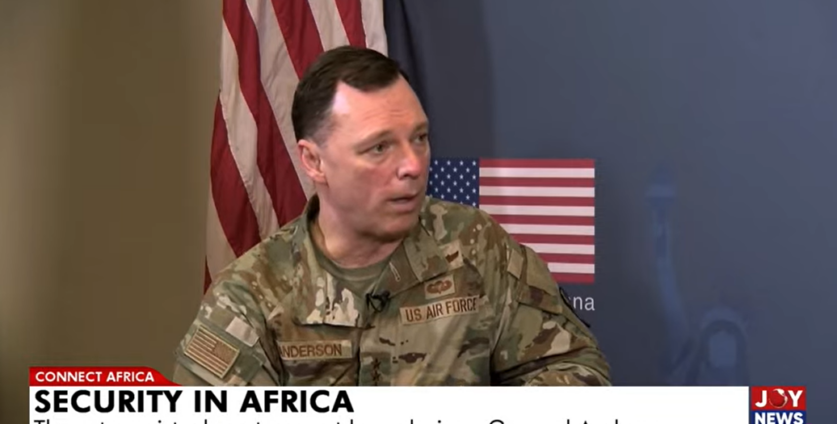
AFRICOM commander General Dagvin Anderson warns that violent extremism is spreading from the Sahel to West African coast...
West African Tensions Mount: Ghana Drags Togo to Arbitration Over Maritime Borders

Ghana has initiated international arbitration under UNCLOS to settle its long-standing maritime boundary dispute with To...
African Fury Erupts: Russian 'Yaytseslav' Viral Videos Spark Scandal, Victims Speak Out in Kenya and Ghana

A viral scandal involving Russian man Vladislav Lyulkov, who filmed and leaked private encounters with African women, ha...
You may also like...
He Built a Wooden Electric Car at 17. Now He’s Building Homes to Fight Homelessness

After building a wooden electric car at 17, Ribal Zebian is now designing a modular home that can be assembled in a sing...
This Is Why You Apologize for Everything (Even When It’s Not Your Fault)

Stop apologizing for things you didn’t do. Learn why over-apologizing isn’t politeness, how childhood experiences shape ...
Beck Unveils Epic Symphony-Backed Australian Tour for 2026

Grammy-winning artist Beck is bringing his orchestral reinterpretations to Australia for the first time this May, with f...
Middle East on Edge: Ghana Issues Urgent Travel Advisory Amid Rising Tensions
Ghana's Ministry of Foreign Affairs has issued an urgent advisory, urging citizens to avoid non-essential travel to the ...
Uganda Airlines Grounded: Dubai Flights Suspended Amid Regional Airspace Chaos

Uganda Airlines has temporarily suspended all scheduled flights between Entebbe and Dubai due to widespread airspace clo...
Zoom Boosts Security: Critical Privacy Flaws Patched in Landmark 5.0 Update

Zoom has responded to widespread privacy and security concerns that arose during its recent user surge by releasing vers...
Tech Giants Face Scrutiny: Congress Hearing and Platform Rivalries Explode

This week's tech news saw major developments, from a high-profile U.S. congressional antitrust hearing involving top CEO...
Bitcoin Shockwave: 5% Surge Liquidates Short Positions

Bitcoin surged to an intraday peak of $69,401 on Monday, triggering $80 million in short liquidations and renewed attemp...
