Mel Gibson Defends 'Passion of the Christ' Sequel's Controversial Twist
Mel Gibson confirms that his highly anticipated two-part follow-up, "The Resurrection of the Christ," has completed filming in Rome and is now in post-production. The films promise an unconventional, non-linear narrative, diverging from a traditional sequel and will be presented in English to convey complex theological themes. The production involved massive, intricately built sets for various historical locations.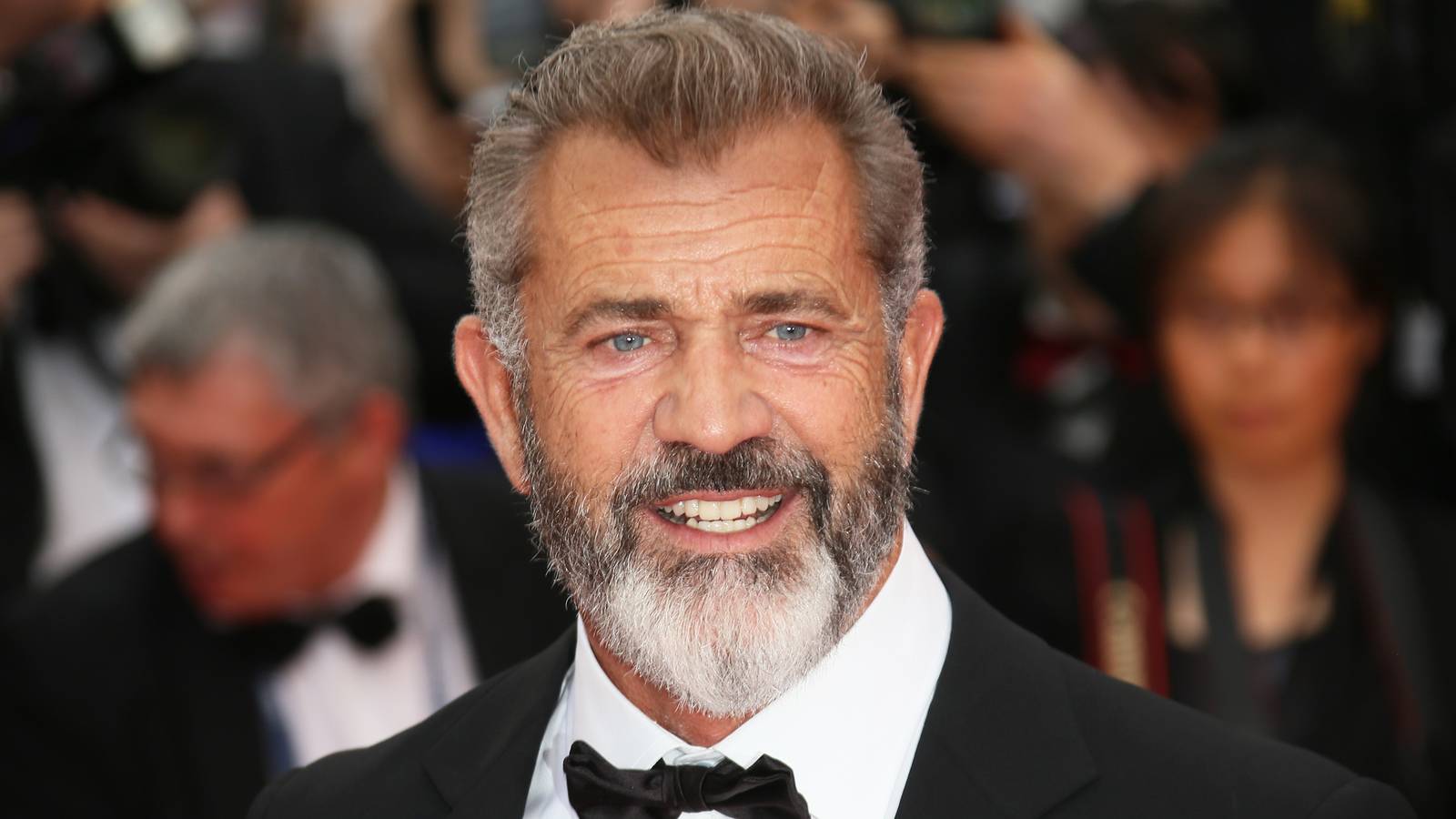
More than two decades after its controversial yet highly successful release, Mel Gibson is poised to continue the narrative of "The Passion of the Christ" with a two-part follow-up titled "The Resurrection of the Christ." Gibson recently confirmed that both installments, "The Resurrection of the Christ: Part One" and "The Resurrection of the Christ: Part Two," have completed principal photography and are currently deep in post-production. The films were shot simultaneously in Rome, and Gibson has teased an unconventional approach, stating, "I don't think it's anything anyone would expect."
The concept for "The Resurrection of the Christ" was not an immediate undertaking post-"The Passion of the Christ." Instead, it evolved over a period of more than 23 years, with Gibson dedicating nearly a decade to writing the screenplay alongside Randall Wallace, who penned "Braveheart," and his own brother. Gibson explained that a simple linear depiction of the Resurrection would not suffice to convey the story he intends to tell. He emphasized the difficulty of making such a profound event believable and understandable, especially given that 17 separate secular historians attest to similar occurrences, making it "not a fairy tale." To grasp its significance, the story will juxtapose the actual event against numerous other historical events, making it a "jigsaw puzzle" rather than a linear narrative.
A notable departure from its predecessor, which primarily used Aramaic and Latin, both "Resurrection" films will be in English. Gibson explained this decision was made to ensure the audience could directly digest the complex theological material without the added barrier of subtitles in a foreign language. He tailored the material to fit the audience, believing the vernacular would enhance comprehension.
The production itself was described as enormous, featuring magnificent practical sets constructed for various ancient locations including Jerusalem, Damascus, Rome, Egypt, and the desert. These extensive sets, designed by Francesco Frigeri, who also worked on "The Passion of the Christ," were reportedly deconstructed after filming, with Gibson noting that sets of such scale are rarely seen in the industry anymore. With principal photography complete, "The Resurrection of the Christ: Part One" and "Part Two" are now undergoing the intricate process of editing and visual effects.