MasterChef Season 16 Shocks Audiences With Game-Changing Twist!

Stepping onto the MasterChef set in Toronto’s Distillery District during active production reveals a scene of controlled chaos, far from the quiet between takes one might expect. Much like a bustling metropolitan kitchen, the environment is loud, fast-paced, and filled with an undeniable energy. During a visit in March, the sheer scale of the FOX reality competition’s production was immediately apparent, as was the palpable intensity from everyone involved, from the judges already critiquing to the drama already brewing. Even on a cold winter morning, the kitchen was alive with activity, hinting that Season 16 was taking a distinctly different approach. Producers on set emphasized a greater sense of purpose this season, influencing everything from the contestants’ dish preparation to the judges’ real-time responses. Following the premiere, now streaming on Hulu, this shift has become even clearer.
MasterChef Season 16 introduces a World Cup-style format, aptly named the “Global Gauntlet,” which groups contestants by their heritage and region – Americas, Europe, Africa, and Asia-Pacific. From the initial auditions, this structure imbues the competition with a deeply personal pressure, requiring cooks to represent their identity on the plate. Gordon Ramsay articulates this perfectly, stating there’s “more truth when you’re cooking from the soul,” particularly when dishes are intrinsically tied to one’s origins. He notes this format facilitates contestants in highlighting their background through food, creating a genuine connection. The show doesn't ease into this new structure; it leans heavily into it, demanding not just technical prowess but also a profound connection to memory, family, and sometimes, even unfinished business, as seen in the Team Europe auditions. This tension between personal narrative and culinary skill makes for compelling television.
For the judges, this blend of personal expression and technical execution is where the competition truly comes alive. Tiffany Derry emphasizes that even dishes rooted in deep tradition must adhere to fundamental cooking principles. She explains, “A steak needs to be seared properly. A fish, if you put crispy skin on it, it needs to be the crispy skin.” Her focus is on executing cultural dishes with excellence, viewing the diverse techniques as an educational opportunity for both contestants and viewers. This broader perspective, showcasing varied cultures through food, resonates deeply with Joe Bastianich, who sees it as a reflection of America’s “melting pot.” He describes it as an “interesting way of getting a perspective on what the true American culinary scene is really about” through the eyes of aspiring young cooks.
The production of MasterChef is a masterclass in controlled chaos. With 15 to 20 cameras operating simultaneously, capturing every angle and subtle movement, the pressure on contestants is immense and almost tangible. Gordon Ramsay starkly observes that amateurs often “collapse first before they speak because it’s not their natural environment,” highlighting the rapid unravelling that can occur under such amplified conditions. Yet, this very intensity is where the show fosters growth and transformation. Ramsay speaks of witnessing contestants truly beginning to
You may also like...
IBF Champ Hitchins Abandons Title, Eyes Welterweight Glory!

IBF junior welterweight champion Richardson Hitchins has relinquished his title to move up to the 147-pound welterweight...
Boxing Shockwave: Okolie's Adverse Drug Test Rocks Yoka Clash!
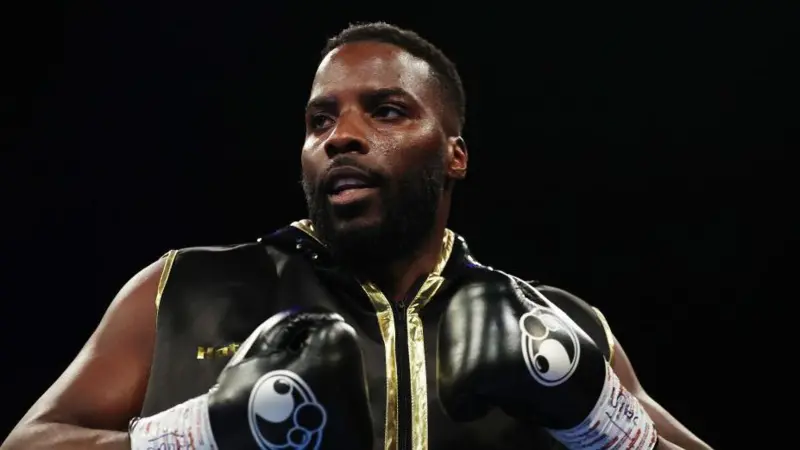
British heavyweight Lawrence Okolie's scheduled fight against Tony Yoka in Paris has been cancelled after he failed a VA...
Devil Wears Prada 2 Shocker: Hathaway Demands Inclusion, Sweeney's Cameo Cut!

The Indian SUV market sees compact SUVs leading sales in FY2025, with Tata Punch topping the charts. Maruti Brezza and F...
Luis Fonsi & Feid Soar to #1 with 'Cambiaré,' Celebrating Chart Domination!

Luis Fonsi and Feid's collaboration, “Cambiaré,” has ascended to No. 1 on Billboard’s Latin Airplay chart, marking a sig...
Breaking: Drake Unleashes 'Iceman' Album Details, Fans Erupt!

Drake's ninth solo studio album, "Iceman," is confirmed for release on May 15, following a unique unveiling by streamer ...
Unchosen Star's Aquatic Ordeal: Fra Fee's Bizarre Set Story Involving Weighted Shoes!

Fra Fee offers an exclusive breakdown of Tom, his complex character in Netflix's Unchosen, revealing his trauma, manipul...
MasterChef Season 16 Shocks Audiences With Game-Changing Twist!
The MasterChef set is a hive of controlled chaos, with Season 16 introducing a new 'Global Gauntlet' format that groups ...
Malawi's Dire Fuel Crisis: Nation Runs Dry Amidst Empty Reserves and Cash Woes

Malawi is facing a severe national fuel crisis with completely depleted reserves, as confirmed by government spokesperso...