Mass Exodus: Hundreds of Nigerians Seek Repatriation Amid South Africa Protests
Nigeria is initiating a voluntary repatriation scheme for its citizens in South Africa amidst escalating xenophobic attacks and growing fears. The Nigerian government has expressed deep concern, demanded justice for victims, and called for diplomatic cooperation to address the violence targeting foreign nationals.
Nigeria has announced a "voluntary repatriation" program for its citizens in South Africa, following a series of xenophobic incidents in the continent's most industrialized nation.
Foreign Minister Bianca Odumegwu-Ojukwu said on Sunday that 130 people had already registered to return home.
"This figure is expected to rise," she wrote on social media, addingthat"Nigerian lives and businesses in SA must not continue to be put at risk."
It is committed to exploring ways with South Africa to end the violence. This commitment includes demanding justice for the killing of two Nigerians in separate incidents involving local security personnel.
Nigeria seeks full cooperation from South Africa in providing autopsy reports, post-mortem documentation, relevant case files, and facilitating access to legal processes for the families of the deceased.
Accountability is paramount, with Nigeria calling for appropriate disciplinary and prosecutorial action where wrongdoing is established.
President Bola Tinubu has expressed profound concern over the attacks, with Minister Odumegwu-Ojukwu condemning the violence against foreign nationals and the demonstrations characterized by "xenophobic rhetoric, hate speeches and incendiary anti-migrant statements."
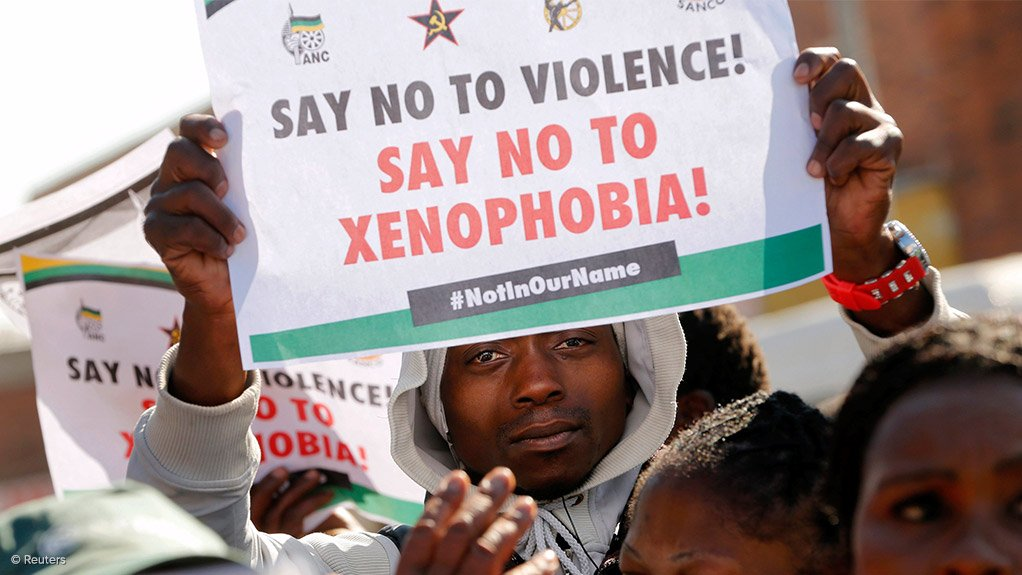
Nigeria has taken diplomatic action by summoning South Africa's acting High Commissioner, formally conveying its deep concern over incidents that could strain existing bilateral relations.
A meeting was scheduled to address recent marches by anti-immigrant groups and documented instances of mistreatment of Nigerian citizens and attacks on their businesses.
The issue extends beyond Nigerian nationals, with local media reporting the deaths of four Ethiopian nationals in recent weeks and attacks targeting citizens of other African countries.
Immigrants in South Africa, such as Peter Odike, a Nigerian naturalized in 2006, describe a pervasive climate of fear. Odike stated, "Business is totally down. Most of us are shutting down because it's not safe to stay here."
South Africa, as the continent's most industrialized country, has historically attracted people from across Africa seeking work opportunities.
However, some South Africans accuse foreigners of being in the country illegally, usurping jobs from locals, and engaging in criminal activities, particularly drug trafficking.
Anti-immigrant groups have been observed stopping individuals outside hospitals and schools to demand identity papers.
During a march in Pretoria, foreign-owned businesses were advised to close to prevent violence, with one Nigerian man expressing dismay, "It is not okay because we are blacks, we are brothers... everybody comes here just to survive."
A security guard unable to work due to protests voiced concern, questioning, "imagine if we're scared in our own African continent - what if we go to Europe?"
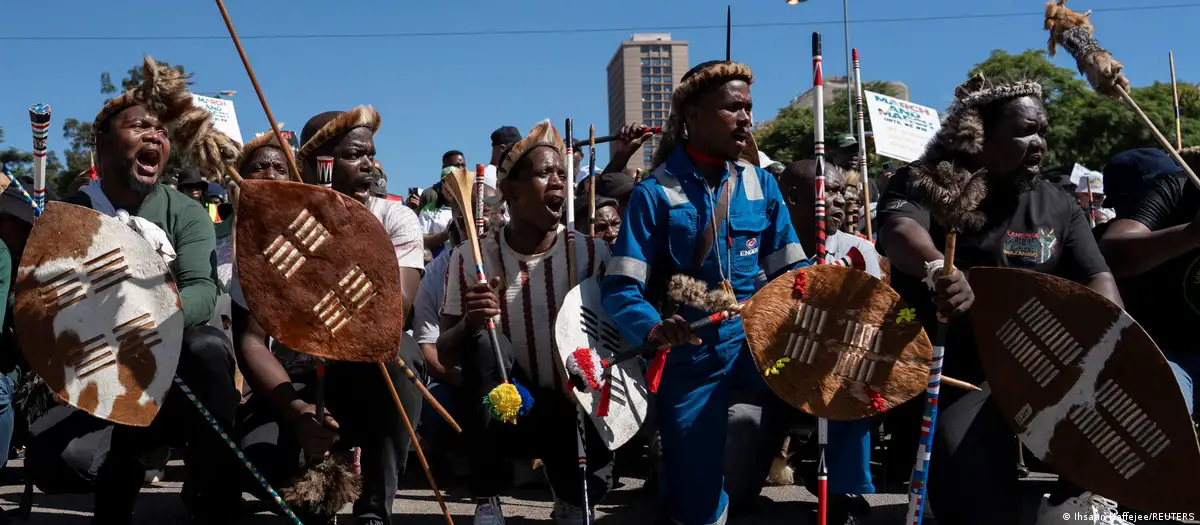
The incidents previously has highlight a lot of ongoing tensions, because last month, Ghana summoned South Africa's top envoy after a video circulated showing a Ghanaian man being challenged over his immigration papers.
Earlier this year, anti-immigrant sentiment surged following reports of the head of the Nigerian community in KuGompo (formerly East London) being installed in a traditional role, perceived by some South Africans as an attempt to seize political power.
South Africa's President Cyril Ramaphosa has condemned the attacks, while also cautioning foreigners to adhere to local laws.

In his Freedom Day address, he reminded South Africans of the crucial support other African nations provided during the struggle against apartheid.
Despite South Africa's promise last month to crack down on xenophobic attacks, more protests were planned for May 4 and May 8, which Nigeria is closely monitoring.
Official figures indicate that South Africa is home to approximately 2.4 million migrants, constituting less than 4% of its population, though many more are believed to reside unofficially.
The majority originate from neighboring countries like Lesotho, Zimbabwe, and Mozambique, which have a long history of supplying migrant labor, with a smaller number coming from Nigeria.