Marble Towers: Unraveling the Deeper Narrative
A recent court ruling regarding Johannesburg's Marble Towers dispute highlights the city's broader struggle with enforcing building regulations. The case underscores widespread issues of illegal structures and inconsistent urban governance, prompting critical questions about safety and investor confidence in the CBD. While the city won this round, the larger challenge of consistent enforcement remains.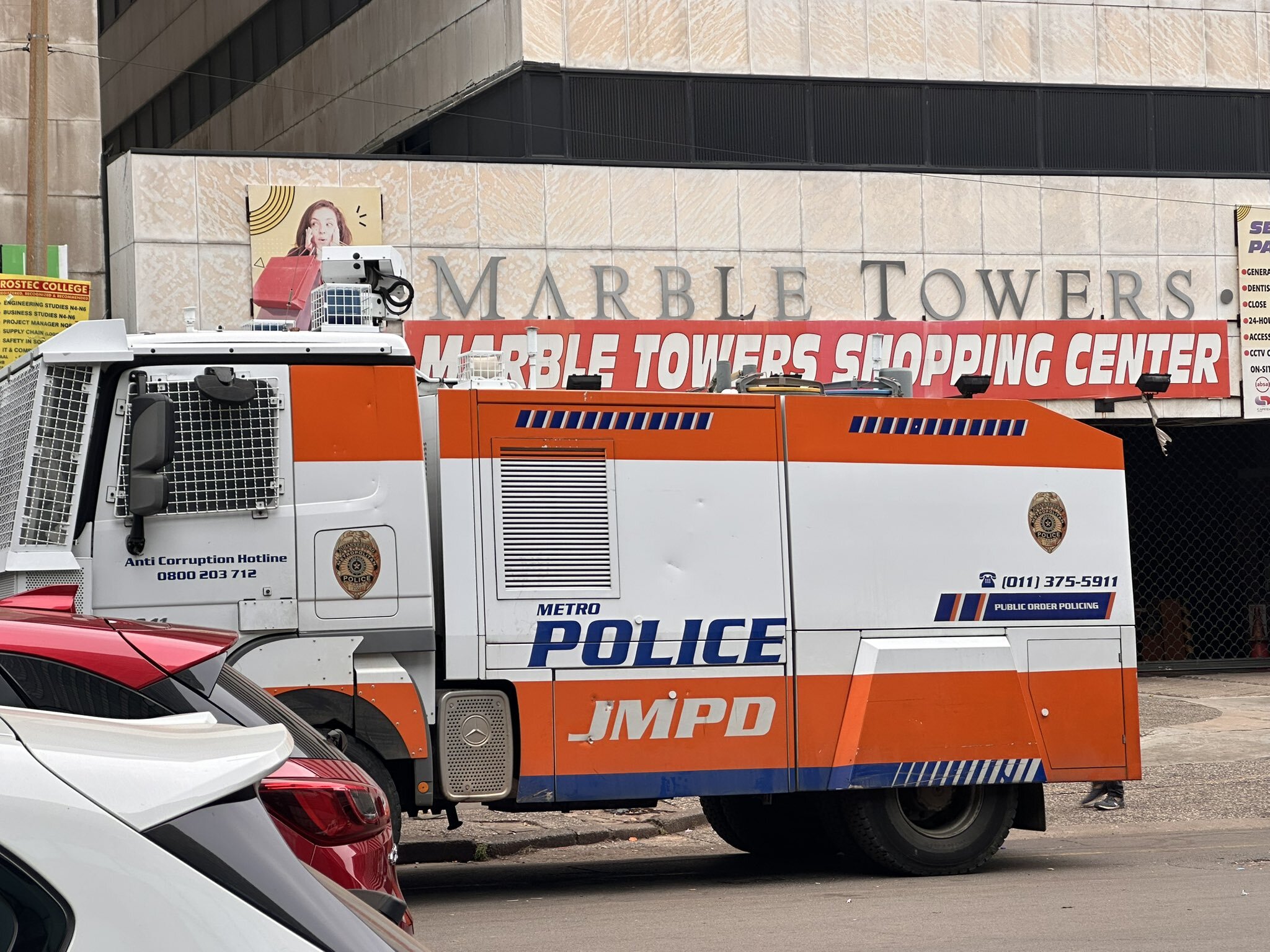
A recent public dispute involving Johannesburg mayor Dada Morero and the owners of Marble Towers has brought into sharp focus the pervasive challenges of urban enforcement and building regulations within Johannesburg's Central Business District (CBD). While the immediate conflict centered on a specific building, the legal battle and its outcome underscore a much broader systemic issue regarding the city's approach to the built environment.
The contention arose when the owners of Marble Towers sought an urgent interdict against the City of Johannesburg, alleging that the city threatened demolition of structures on their property without adhering to due legal process. They requested the court to halt any demolition, prevent officials from entering the site for such purposes, and compel the city to provide relevant enforcement documents. Conversely, the City of Johannesburg maintained that the structures were illegal, having been erected without approved building plans. The city cited years of issued notices, missed compliance opportunities, and significant concerns regarding fire safety, blocked emergency exits, and overall public risk.
The court ultimately dismissed the owners' urgent application, affirming that the structures were indeed illegal due to the absence of approved building plans. It upheld the city's right to enforce building regulations and fire safety laws. Crucially, however, the court also emphasized that the city cannot proceed with demolitions arbitrarily; proper legal procedures must be followed. The owners have been granted an opportunity to regularize the structures, submit compliant plans, address fire safety concerns, and secure the site.
While this might appear as a straightforward victory for the city, the Marble Towers case is symptomatic of a long-standing and widespread problem in Johannesburg. The CBD is rife with unauthorized building alterations, illegal structures, safety violations, and neglected compliance requirements, a situation not unique to one property. Estimates suggest anywhere from 180 to over 500 unsafe, illegally occupied, or non-compliant buildings plague the inner city, indicating a problem that extends far beyond a single legal dispute.
Enforcement in many South African cities, including Johannesburg, often occurs in sporadic bursts. Problems are neglected for years, notices are issued, deadlines are ignored, and then a crisis eventually forces action. This reactive and often performative approach, sometimes coinciding with election periods, creates high tensions as property owners, tenants, businesses, and investors, having operated under lax enforcement, face sudden intervention. Inconsistent enforcement signals that rules are optional and uncertainty is the norm, while selective or belated enforcement raises questions among property owners about their standing, concerns among investors about regulatory risk, and bewilderment among residents regarding the persistence of dangerous conditions.
Beyond the legal arguments, the case highlights the fundamental importance of building regulations. These rules, often born from past disasters, are designed to ensure public safety, covering aspects like fire exits, occupancy limits, and structural integrity. When authorities flag concerns about blocked fire escapes or non-compliant structures, it is not merely about bureaucratic adherence but about preventing potential tragedies.
The true challenge for Johannesburg lies in cultivating confidence, which is built on consistent governance rather than intermittent enforcement. Investors require assurance that regulations are applied uniformly, residents need to trust that safety issues will be addressed proactively, and property owners demand predictable, transparent, and fair application of compliance requirements. The Marble Towers judgment might have resolved a particular legal dispute, but it leaves Johannesburg with the more formidable task of establishing consistent governance. Without a sustained and consistent approach, such legal victories risk becoming temporary headlines, with Marble Towers merely revealing a deeper systemic issue that South African cities continue to treat with superficial remedies rather than a lasting cure.