Mahama's Presidential Ambitions Face Internal Firestorm: NDC Divided Over Third-Term Bid
Despite President John Mahama's repeated denials, a public debate continues to swirl around a potential third presidential term in Ghana. While NDC's James Agbey criticizes the "sycophancy" and warns of dangers, opposition figures predict that the strongest resistance to such a move would come from within the governing National Democratic Congress itself.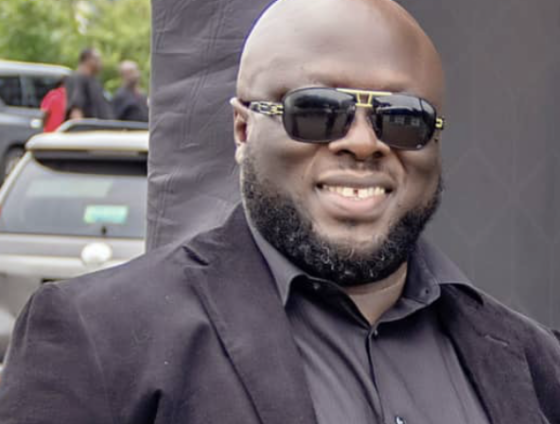
A significant public debate has emerged in Ghana regarding a possible third presidential term for President John Dramani Mahama, despite the President's unequivocal stance against such a move. This discussion has drawn comments from various political figures, highlighting concerns about constitutional adherence, political legacy, and internal party dynamics.
President John Mahama has consistently and explicitly dismissed any suggestion of seeking a third term in office. During his "Resetting Ghana" tour in Ho, he stated, "The people of Ghana gave me one additional term. My job is to work and deliver on that trust, not to look for a third term. The matter is settled." He reiterated this position during his tour of the Volta Region, emphasizing that the constitutional provisions on presidential tenure are clear, and his focus remains on fulfilling the mandate given to him by the Ghanaian people.
James Agbey, an operative of the governing National Democratic Congress (NDC), has called for an immediate end to public discussions about a third term for President Mahama. In an opinion article, Agbey argued that calls for the President to remain beyond the constitutional two-term limit are misplaced, driven by narrow personal interests, and could undermine Mahama's political legacy and the NDC's reputation. He warned that attempts to justify a third-term agenda through constitutional arguments have sparked widespread concern among political observers and legal scholars, describing the conversation as a dangerous path towards "electoral autocracy." Agbey urged what he termed "sycophantic allies" to cease encouraging such speculation, asserting that the President's declaration should conclusively end the debate. He also emphasized the NDC's long tradition of peaceful leadership transitions and its capacity to produce capable leaders to succeed President Mahama.
Interestingly, leaders from opposition parties have also weighed in, with a focus on potential internal opposition within the NDC. Solomon Owusu, the Director of Communications for the United Party (UP), stated that the strongest opposition to any third-term attempt by President Mahama would likely originate from within the NDC, rather than from external opposition parties. Speaking on JoyPrime, Owusu acknowledged President Mahama's political experience, suggesting it would heavily influence any decision on the matter. While the United Party would not object to such a move, citing Mahama's loss in 2016, Owusu maintained that internal resistance would be significant.
Echoing this sentiment, Atick Yakubu, a member of the New Patriotic Party's (NPP) communications team, also claimed that resistance would primarily come from within the governing NDC. Yakubu specifically identified the National Chairman of the NDC, Johnson Asiedu Nketia, as a formidable internal opponent to any third-term bid. He alleged that Mr. Asiedu Nketia has been campaigning for his own presidency since President Mahama was sworn in, implying Nketia would actively resist any efforts to extend Mahama's tenure.
The ongoing debate underscores the sensitivity surrounding presidential term limits and succession planning within Ghana's political landscape, even as President Mahama has repeatedly reaffirmed his commitment to the constitutional two-term limit.