Long Island Hospitals Absorb $4.8 Billion, Taxpayers Foot the Bill!
Nonprofit hospitals on Long Island are increasingly removing substantial property value from local tax rolls, reaching $4.8 billion in exemptions by 2025. This trend, driven by expansions from systems like NYU Langone, shifts the tax burden onto other residents and intensifies scrutiny over the charity care justifying these exemptions.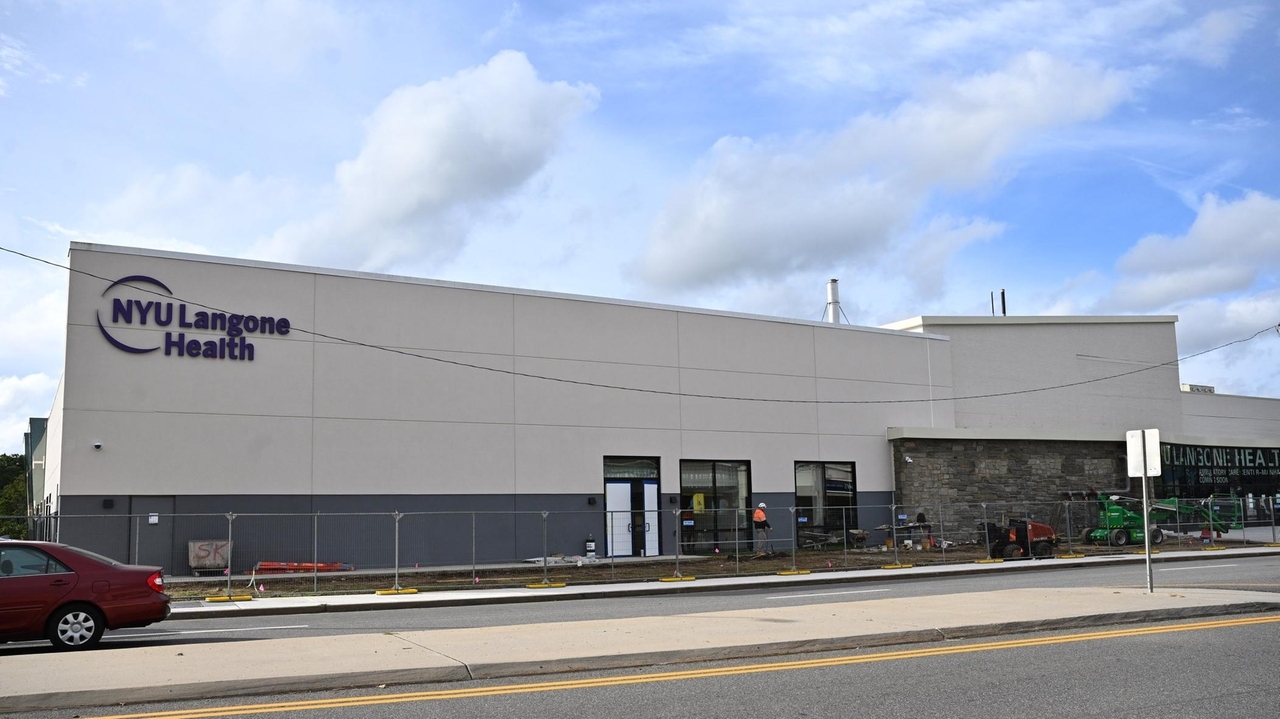
Nonprofit hospitals on Long Island are increasingly expanding their physical footprint, a trend that is significantly impacting local tax rolls by removing billions in property value and shifting the tax burden onto other taxpayers. A comprehensive analysis by Newsday revealed that nonprofit hospitals removed an estimated $4.8 billion in full market value from Long Island's tax rolls in 2025, a substantial increase from $2.3 billion in 2015. This expansion has seen the number of parcels owned by hospitals claiming property tax exemptions grow from 260 in 2015 to 301 in 2024, including many sites that do not serve a direct medical purpose.
A prime example of this trend is NYU Langone Health, which opened a new outpatient care center in Garden City in 2024. This facility was created by converting a former Sears department store, a project costing $170 million. While the property has a market value of $35.7 million, its tax-exempt status as a nonprofit entity means approximately $784,000 in combined taxes are lost annually to the county, town, village, and school district. Further demonstrating its expansion, NYU Langone is also opening a new medical facility in Manhasset within a former Lord & Taylor building, a complex with a market value of nearly $50 million. This exemption accounts for another $1.2 million in property taxes no longer benefiting local governments and schools. The hospital system also announced plans for a new multibillion-dollar hospital in Melville, which would be Long Island's first new hospital since 1980, and would remove an additional $2.4 million in property tax revenue, including over $1.5 million in school taxes.
This growing phenomenon has sparked debate over the justification for these long-standing tax exemptions. Critics argue that modern hospitals and healthcare systems, which have grown into large, consolidated entities with significant business operations and C-suite salaries, bear little resemblance to the charity-care institutions that initially received these exemptions in the late 19th century. Elizabeth Plummer, a taxation expert, stated that this situation "shifts the tax burden onto people who are paying taxes," noting a lack of evidence that hospitals consistently provide the level of charity care expected to justify these subsidies. Elisabeth Benjamin of the Community Service Society added that if there were a