Lifesaving Revolution: Mahama Unveils Free Primary Healthcare to Shatter Cost Barriers, But Critics Cry Misplaced Priority!
Ghana is launching its Free Primary Healthcare Programme, championed by President John Dramani Mahama, aiming to ensure universal access to essential health services by removing financial barriers. While proponents highlight its potential to enhance early detection and community care, critics question the annual GH₵1.2 billion allocation, arguing for the prioritization of existing "Agenda 111" hospital projects instead.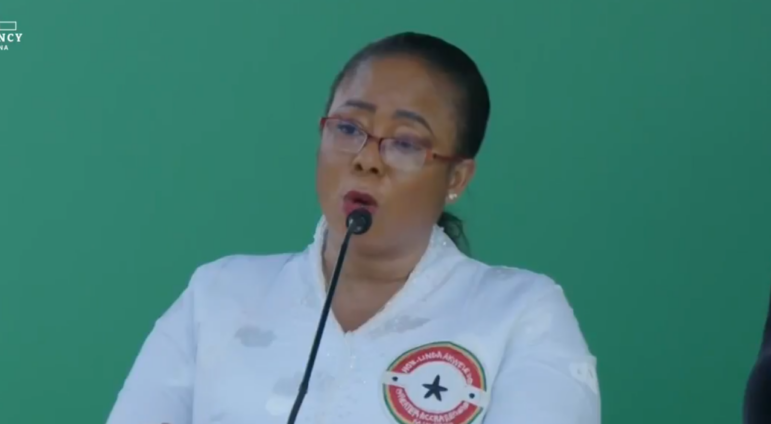
Ghana is set to launch its flagship Free Primary Healthcare Programme, a major policy initiative designed to significantly expand access to primary healthcare across the country. President John Dramani Mahama is scheduled to officially inaugurate the programme on Wednesday, 15 April 2026, at 10:00 a.m. at the Shai Osudoku District Hospital in the Greater Accra Region. This initiative marks a crucial milestone in Ghana’s healthcare delivery framework, emphasizing the strengthening of primary healthcare systems and advancing the nation's journey towards universal health coverage. Government sources highlight that the programme aims to remove financial barriers at the entry level of healthcare, ensuring that all citizens, particularly those in underserved communities, can access essential medical services without cost constraints.
The Greater Accra Regional Minister, Linda Ocloo, underscored the programme's objective during its launch, stating that it will make essential health services more accessible to people across the region, irrespective of their insurance status. She explained that the initiative ensures "every citizen and legal resident has access to essential healthcare services at the primary level." Mrs. Ocloo noted that this programme builds upon previous governmental efforts to enhance healthcare delivery, citing the construction of CHPS compounds, the upgrading of health centres, and the reinforcement of polyclinics to better serve communities. She emphasized that the new policy would bring care closer to communities, reduce the financial burden on families, and encourage earlier medical consultations, eliminating worries about costs.
Supporting this view, Victor Asare Bampoe, the Chief Executive Officer of the National Health Insurance Authority (NHIA), described the Free Primary Healthcare policy as a "game-changer." He stated that it would significantly improve access by removing financial barriers, thereby enhancing early diagnosis and treatment, and strengthening preventive and community-based healthcare. Dr. Bampoe elaborated that this policy shifts the focus, encouraging health workers to go out into communities rather than waiting for patients at facilities, covering preventive and promotive aspects. He stressed that removing financial barriers would incentivize people to seek medical attention promptly, leading to early detection of diseases, preventing their progression to more severe stages, and ultimately improving national health outcomes. Health Minister Kwabena Mintah Akandoh affirmed that the initiative reflects the administration’s broader commitment to building a resilient and inclusive healthcare system, founded on principles of equity, accessibility, and sustainability.
However, the programme has faced criticism regarding its financial implications. Nana Ayew Afriyie, the Ranking Member on Parliament’s Health Committee and Member of Parliament for Effiduase/Asokore, described the government’s decision to allocate GH₵1.2 billion annually to the proposed programme as a "misplaced priority." His remarks followed the Health Minister's disclosure of the substantial annual funding requirement. Dr. Ayew Afriyie argued that Ghana already possesses a foundational network of community-based healthcare systems, including Community-based Health Planning and Services (CHPS) compounds and dedicated community health workers who provide promotive healthcare and education.
Dr. Ayew Afriyie further criticized the condition of some existing district hospitals, many of which operate from outdated colonial-era structures or repurposed CHPS facilities. He contended that instead of committing significant resources to a new primary healthcare initiative, the government should prioritize the completion of existing hospital projects under the "Agenda 111" programme. He pointed out that almost $4.7 billion has already been invested in Agenda 111, yet these projects remain largely untouched. While acknowledging the importance of improving primary healthcare, Dr. Ayew Afriyie advocated for a balanced and realistic investment approach that prioritizes the completion of existing infrastructure projects before embarking on new, costly initiatives.
Despite the differing viewpoints on resource allocation, the Greater Accra Regional Minister, Linda Ocloo, reiterated her office's commitment to ensuring the success of the Free Primary Healthcare Programme. She assured close collaboration with local authorities, Metropolitan, Municipal, and District Assemblies to strengthen primary healthcare services, improve sanitation and environmental health, and promote community participation. Mrs. Ocloo called for a collective effort, stating, "Together we can make this work. Together we can improve the lives of our people, and together we can build a healthier and stronger Ghana."