Late Night TV Shaken: BBC's New Host Marks Decade's Biggest Shift
The BBC is shaking up its late-night television schedule with the introduction of The Claudia Winkleman Show, a new standalone program set to air during a slot previously associated with The Graham Norton Show. This move marks a significant moment for British television, as Winkleman becomes the first female host of a flagship evening talk show in decades, signaling innovation amidst a changing global late-night landscape.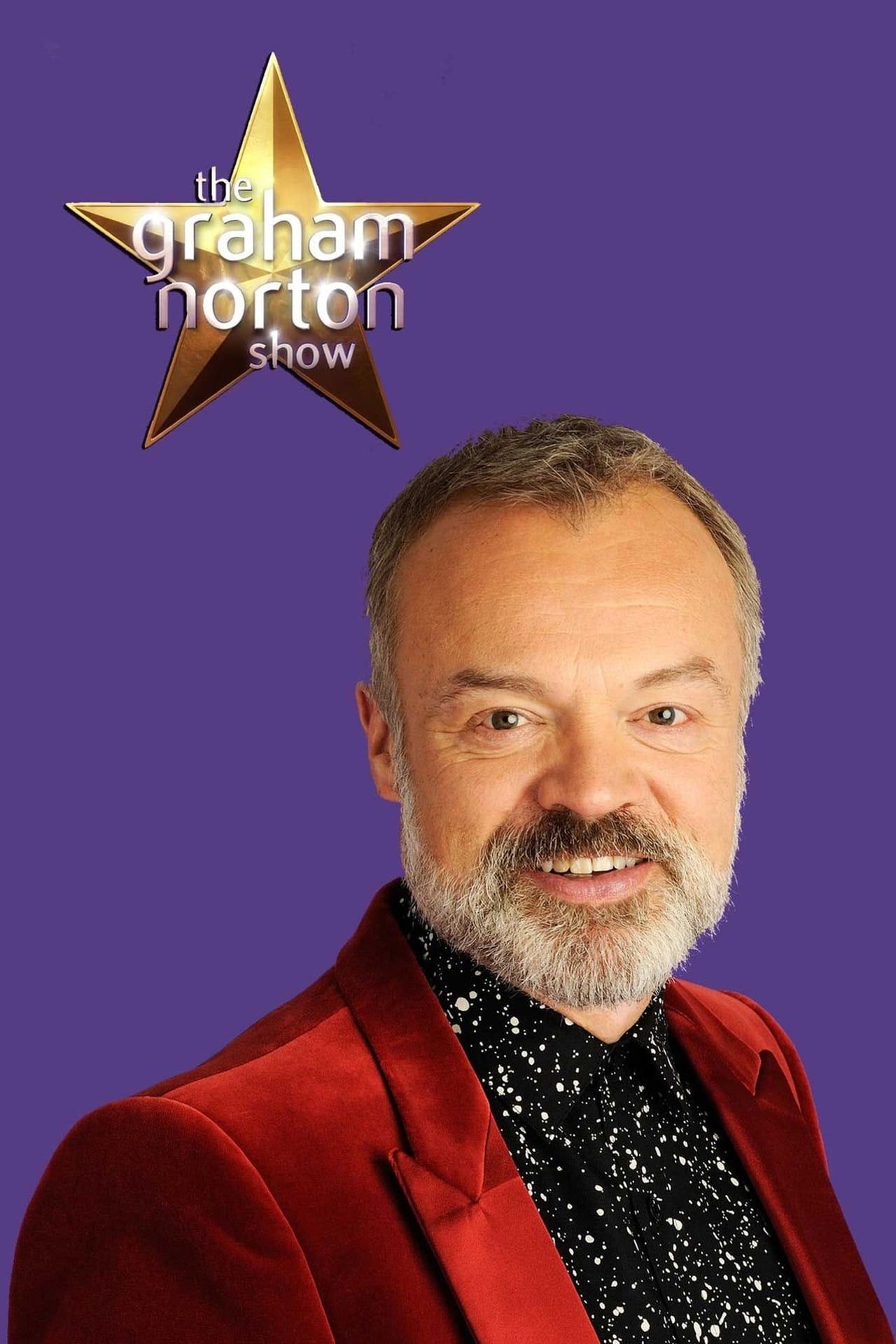
Britain's flagship chat show, The Graham Norton Show, which has graced BBC One and BBC America since 2007, is undergoing a significant shake-up in its long-established format. Known for its unique approach of gathering all guests for a shared conversation, the show has enjoyed sustained success and cultural influence across 33 seasons. Historically, Graham Norton presented one annual season from September to March, consisting of 21 episodes, a reduction from two seasons per year prior to 2021.
The BBC has now confirmed the return of a second annual season, but with a groundbreaking change: Claudia Winkleman will step into the spotlight as its host. She will lead her own standalone program, complete with a distinct set, for an initial run of seven episodes. This commission marks a pivotal moment for the franchise and British late-night television at large, as it represents the first time in several decades that a flagship evening talk show will be fronted by a female host.
Claudia Winkleman, a prominent figure in British television since the early 1990s, is one of the BBC’s most established presenters. Her impressive career includes a 15-year tenure hosting the UK’s equivalent of Dancing With the Stars, Strictly Come Dancing, and she currently hosts The Traitors, a recent BBC entertainment hit. Her extensive background spans radio, journalism, and publishing. The announcement of her talk show, occupying a time slot previously associated with Norton, was foreshadowed by her guest-hosting of The Graham Norton Show in February 2025 while Norton toured Australia. During this appearance, she interviewed high-profile guests like Chris Pratt, an experience that, in retrospect, appears to have served as both a showcase of her talents and a network test, demonstrating her capability to manage major international talent and a live studio audience.
Graham Stuart, BBC Television managing director, lauded Winkleman’s ability to make the “Friday night talk show slot” a “dazzling appointment to view,” asserting that she is “equally as brilliant” to meet the challenge of following Norton. The commissioning of a seven-episode run reflects confidence in Winkleman's approach and the format's potential for success. With her characteristic humor, Winkleman responded to the announcement by saying she's “obviously going to be awful” but “over the moon” for the opportunity. Her quick wit, affable style, and deep familiarity with celebrity culture make her well-suited to the informal, anecdote-driven conversations characteristic of the Norton format.
Claudia Winkleman’s placement in this coveted time slot carries significant implications within the broader late-night landscape. In the UK, only Jonathan Ross on ITV holds a comparable position. In the US, flagship late-night shows predominantly feature male hosts such as Jimmy Fallon, Stephen Colbert, Seth Meyers, and Jimmy Kimmel. While women like Ruby Wax, Sharon Osbourne, and Davina McCall hosted interview programs in the UK during the 2000s, these shows did not occupy the prestigious BBC One flagship late-night slot. For instance, Ruby (1997–2000) on BBC Two employed a dinner-party roundtable format with edited, unscripted conversations. Osbourne’s UK chat shows in the 2000s were early-evening “tea-time talk” rather than post-watershed late-night fare. Other female-led shows, such as Lily Allen and Friends (2008), were often focused on niche subjects like music, aired on other channels, and were not designed for long tenures.
The Claudia Winkleman Show distinguishes itself by replicating the BBC’s established prime-time formula. It launches with an existing audience and will reach an international viewership via BBC iPlayer, positioning Winkleman at the center of British late-night television, rather than as a marginal side project within the genre.
This move by the BBC is particularly interesting given the recent instability in US late-night television. Conan O’Brien has attributed changes in the genre to market saturation, the collapse of the “captive audience” due to streaming, and a more polarized culture making broad comedy harder to land. Notably, Jimmy Kimmel’s show faced disruption in September 2025 due to controversial comments, and CBS announced in July 2025 that The Late Show with Stephen Colbert would conclude in May 2026 without a direct replacement, citing financial reasons amid a “challenging backdrop in late night.” In contrast to this trend, the BBC appears to be moving in the opposite direction by commissioning The Claudia Winkleman Show, using the available late-night slot as an opportunity for modernization and innovation. In a genre that has largely remained static for decades, The Claudia Winkleman Show is poised to demonstrate that the late-night format can evolve while retaining its ratings and international appeal.