Kremlin Confesses Fuel Crisis as Ukraine Strikes Cripple Russian Supply Chains
Russian authorities have acknowledged new petrol shortages across several regions, linking the disruptions to intensified Ukrainian drone and missile attacks on oil refineries. The situation has led to the shutdown of a major refinery and widespread rationing, prompting the government and President Putin to address the 'difficult period' by monitoring prices, increasing supplies, and boosting air defenses.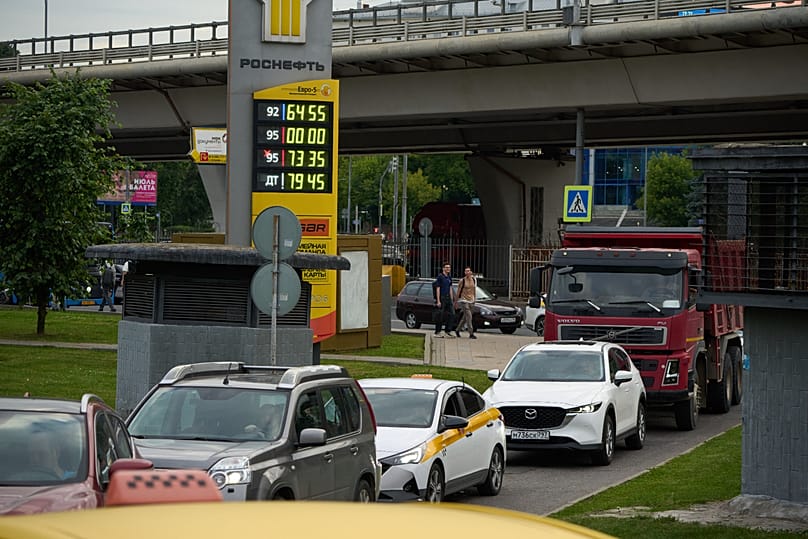
Russian authorities have officially acknowledged new petrol shortages in several regions, directly attributing these disruptions to escalated Ukrainian attacks on the country's vital oil refineries. For months, Ukraine has systematically targeted Russia's energy infrastructure with drones and missiles, aiming to disrupt a critical source of revenue for the Russian military and what President Volodymyr Zelenskyy has termed 'long-range sanctions.'
The severity of the situation was underscored by the six-month shutdown of a major refinery in Orsk, located approximately 1,300 kilometers from the front line, following an attack this week. This closure has significantly impacted regional fuel supplies, with the government stating that 'the situation remains tense in several regions of the country regarding fuel supplies to service stations.'
Companies and individual car drivers across Russia have been experiencing recurrent fuel shortages and rationing in recent months due to the ongoing conflict. Nearly every Russian region has, at some point, implemented measures such as limiting fuel sales or prohibiting the filling of jerry cans. The Krasnodar region on the Black Sea, a popular tourist destination, has been particularly hard hit. Its regional governor, Venyamin Kondratyev, expressed concern, noting that oil companies have 'again started imposing restrictions on the amount of fuel supplied and reduced service station opening hours,' which is causing worry among both residents and visitors.
In response to the escalating crisis, the Russian government has held meetings to address the shortages. Deputy Prime Minister Alexander Novak, who is responsible for energy, has issued directives for fuel prices to be diligently monitored. Furthermore, oil companies are reportedly 'taking the necessary measures to increase deliveries to the most vulnerable regions' to mitigate the impact on consumers and businesses.
This current acknowledgement marks a rare public admission of the problem at the highest levels. President Vladimir Putin had, for the first time in June, conceded that his country was experiencing a 'certain deficit' of fuel. During a meeting focused on the fuel situation, Putin described the period as 'difficult' but reassured the public that Moscow would 'honour all its social obligations.' He also announced intentions to import more fuel and accelerate repair works at damaged oil facilities to overcome the 'temporary deficit,' while simultaneously pledging to rapidly increase the production of air defense systems to counter Ukrainian attacks.