Kenya's Aviation Hub Status Saved as Workers End Strike Deal
Aviation workers in Kenya have ended their industrial strike and resumed duties after signing a return-to-work agreement, resolving a major dispute that had severely disrupted air travel and threatened national reputation. The deal paves the way for new Collective Bargaining Agreement negotiations and addresses critical issues like agency fee remittances and union recognition, aiming to restore normalcy and industrial peace in the sector.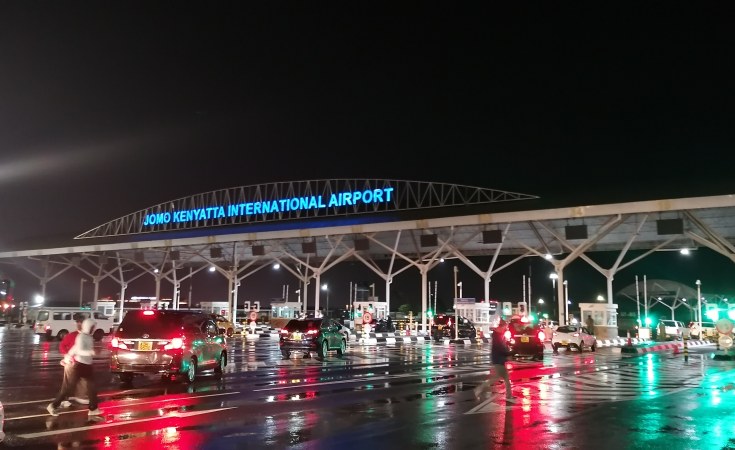
A significant industrial dispute that had severely impacted Kenya's aviation sector has officially concluded, with aviation workers, represented by the Kenya Aviation Workers Union (KAWU), calling off their strike and resuming normal duties. This resolution follows a crucial return-to-work agreement reached with their employers, bringing an end to a standoff that had threatened to cripple operations at key airports, including Jomo Kenyatta International Airport (JKIA).
The industrial action, which commenced on August 30, drew strong condemnation from various aviation industry bodies, including the Kenya Association of Air Operators (KAAO), the African Airlines Association (AFRAA), and the Kenya Tourism Federation (KTF). These organizations had warned that the prolonged disruption was jeopardizing flight safety, passenger connectivity, and Kenya's reputation as a vital regional aviation hub. The strike led to widespread operational chaos, including significant flight delays, cancellations, diversions, rerouting, and prolonged aircraft holding at JKIA and other Kenyan airports.
A primary concern raised by the industry was the critical nature of air traffic services, which are fundamental to flight safety. Liz Aluvanze, CEO of KAAO, emphasized that 'Safety cannot be improvised,' criticizing the apparent lack of timely notices and tested contingency arrangements. Industry bodies highlighted that the strike was foreseeable, given similar industrial action in February, which should have prompted authorities to activate effective contingency plans as mandated by Regulation 40 of the Kenya Civil Aviation (Air Traffic Services) Regulations. This regulation requires the air traffic services authority to develop and coordinate contingency plans with affected airspace users. However, operators reported not being briefed on an activated plan, and delayed issuance of Notice to Airmen (NOTAM) left airlines with insufficient time to adjust flight plans and passenger arrangements.
The economic repercussions of the strike were substantial. Kenya's national carrier, Kenya Airways, reported delays exceeding six hours for some flights at JKIA, necessitating rescheduling and cancellations. An earlier KAWU strike in February had already resulted in approximately $5.1 million in direct losses for 16 operators, excluding broader costs related to diversions, crew disruption, and network recovery, as well as wider impacts on tourism, trade, and medical operations. Industry leaders warned that repeated disruptions could erode confidence in JKIA and weaken Kenya's strategic position as a gateway to East and Central Africa.
The newly ratified agreement signifies a pivotal shift. It mandates the immediate remittance of agency fees owed to KAWU and held by the Kenya Airports Authority (KAA). Furthermore, it clears the path for fresh negotiations between KAWU and the Kenya Civil Aviation Authority (KCAA) concerning a new Collective Bargaining Agreement (CBA). This development follows the Salaries and Remuneration Commission (SRC) withdrawing its previous guidance from July 28, 2026, and issuing new parameters on September 1, 2026, to guide these negotiations. While KAWU has expressed reservations about the new SRC parameters, it intends to address these perceived shortcomings during the upcoming CBA talks, with KCAA committed to honoring and implementing the outcome.
Additionally, the agreement addresses the long-standing recognition dispute between KAWU and Jambojet. The parties have agreed to await and abide by the court's determination on this matter, with Jambojet committing to comply with all relevant legal and procedural requirements for trade union recognition. A crucial element of the agreement is a non-victimization clause, ensuring that no employee who participated in the industrial action will face reprisals, intimidation, or disciplinary action.
With the agreement executed, KAWU formally directed its members to resume duties immediately, urging cooperation with management to restore normal operations. All parties have committed to maintaining industrial peace and resolving any future disputes through consultation, negotiation, and established dispute-resolution mechanisms. This resolution effectively transitions the conflict from industrial action to the negotiating table, where the specific terms of the KAWU-KCAA CBA will be thrashed out, with the outcome poised to significantly influence the terms of employment for aviation workers under the ongoing scrutiny of public-sector remuneration guidelines.