Ghana Weaves History- Kente is Declared the Nation's First Geographical Indication Product
Ghana secures global recognition for its outstanding Kente Fabric.
More Than Just Fabric.
The fabric did not just hang, it seemed to hum. On a busy Accra afternoon, lengths of rainbow-hued, gold-spun Kente billowed over the railings of the launch ceremony, radiating golden in the sunlight.
Each stripe and symbolic block seemed to vibrate with a history that predates even the very country that has welcomed the ceremony. This was not merely a fashion show; it was a matter of law.
Ghana had finally declared Kente cloth as its first-ever Geographical Indication (GI) product. This was more than a mere handshake between government officials and the World Intellectual Property Organization (WIPO).
It did not merely establish more than a trademark; it was a formal, international claiming of cultural ownership. This triumph, a legal victory for intellectual property, and a profound economic and spiritual stake in the global worth of African culture.
“For centuries, our weavers have been the historians of the nation, placing proverbs and identity on fabric," Registrar-General Kofi Owusu Agyei said at the launch. “Now, this GI status says that when the world sees Kente, it's seeing, and paying for, the true history of Ghana."
From Local Looms to Legal Protection
The term Geographical Indication might sound hollow like dusty legalistic jargon, but its purpose is deeply rooted in the preservation of tradition.
A GI is intellectual property that ensures that a product's origin, quality, and fame are as much a part of the geographical area of production as anything else.
It is a protective shield; the status assures only those products that are actually made in the given region, with traditional methods, can be labeled as Kente.
Such marking is a protection against low-cost, mass-produced imitations overrunning the market. It limits use of the robust name so that craftsmen in specified groups will be able to acquire rightful economic value.

Notably, too, the GI establishes a legal, official standard of authenticity, safeguarding the heritage and uniqueness which has rendered the cloth globally revered.
Kente's History; Threads of Royalty and Identity
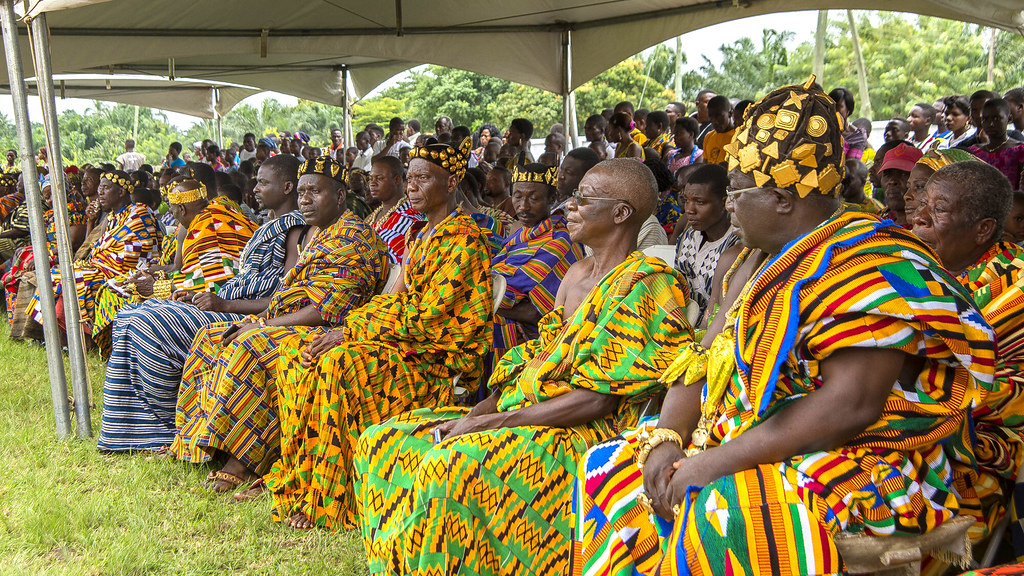
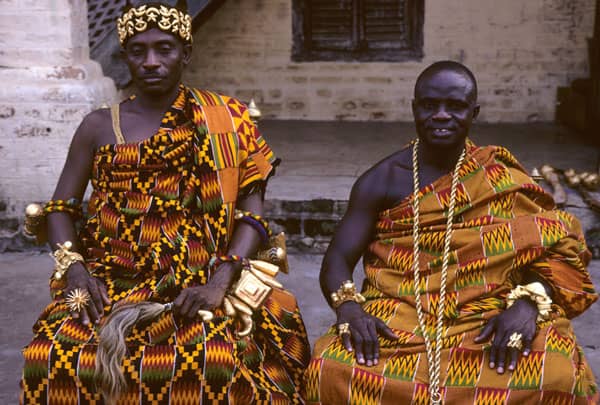
To understand the significance of the GI, one must understand Kente's DNA. The cloth originated from the Ashanti Kingdom and with the Ewe people of the Volta Region centuries earlier. It began not as a commodity, but as a cloth of profound royalty.
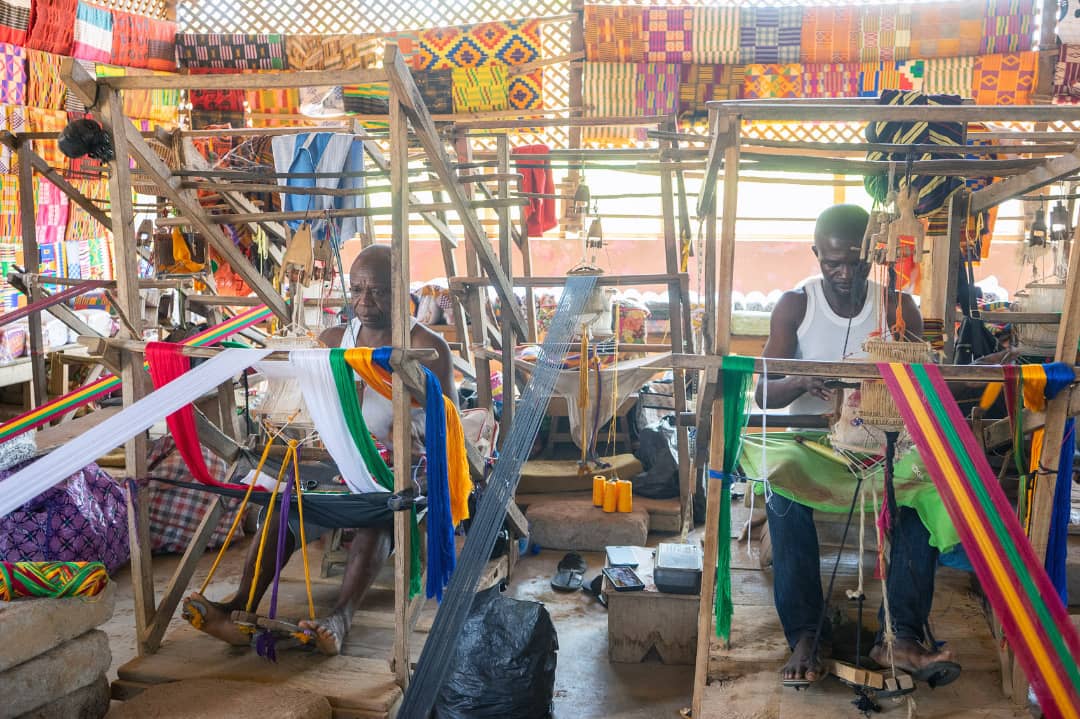
Those same motifs and vivid color combinations– laboriously worked on thin, horizontal looms– were reserved for chiefs, kings, and high ceremonial use alone in the past. The population of weavers at Bonwire and Adanwomase in Ashanti, and Agotime Kpetoe and Agbozume in Volta, have developed the art over numerous generations.
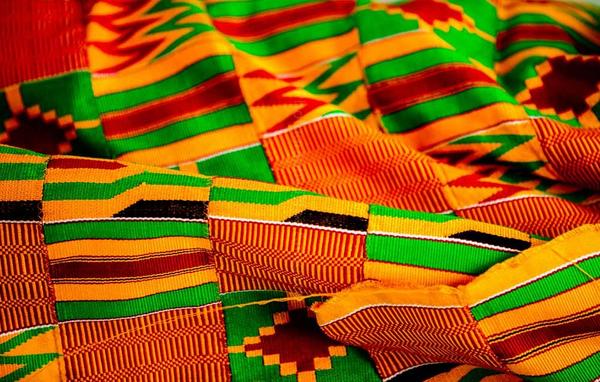
Every motif and color is a proverb or a narrative. Gold signifies wealth, royalty, and religious purity; green signifies harvest, growth, and rebirth; and red is political passion and blood sacrifice language.
This cultural and historical depth promoted Kente from royal cape to global cultural icon. From diaspora graduation ceremonies to global runways and red carpets, Kente was the emblem of an unapologetic, fearless African identity.

The very success of such international outreach, in turn, gave birth to its exploitation, with generic printed fabrics and cheap imports diluting the authenticity and deceiving the very craftsmen who carry the tradition. This widespread cultural watering down made formal protection not only preferable, but downright necessary.
The Road to Recognition– Two Decades in the Making.
The journey to such safeguard has been a marathon, not a sprint. It was Ghana that initially established the legal basis two decades ago in 2003 through the Geographical Indications Act (Act 659).
Progress gained momentum in 2024 when UNESCO added Kente weaving to the Intangible Cultural Heritage, marking a central lead-up to the intellectual property registration.
The final push involved a wide collaboration, especially with WIPO and the Swiss–Ghana Intellectual Property Project. The exercise involved charting out the specific traditions, documenting the precise production methods, and reaching a consensus among the different groups of weavers.
The exercise culminated in the formal 2025 registration opening, acquiring Kente's name under international protection. The decades-long exercise is proof of Ghana's commitment to preserving cultural wealth as national wealth.
What the GI Registration Covers; Not All Kente Is Kente
The GI registration is very precise. It does not just protect the idea of a colorful piece of cloth but makes the process and the materials legitimate. The protection covers specifically the individual groups of weaving in Ashanti and Volta, recognizing them as the originators.
This is legislated by a sophisticated document entitled the Bookof Specifications. This book specifies the ancient weaving method (the narrow strip loom technique), the very materials (cotton and metallic thread, as a rule), the approved designs, and even strict standards of quality.
Ghana is even contemplating using digital authentication– e.g., QR coding on authentic works– to trace origin and authenticate in an instant.
International brands and big retailers who wish to use the Kente name or motif are now compelled to comply with these regulations strictly or face the full brunt of the law, setting a forceful precedent for African creative ownership.
Cultural Pride Meets Economic Power.
The GI status of Kente makes a point that cultural pride is an economic force that should not be underestimated.
It gives Cultural Ownership via the reclaiming of Ghana of its most famous textile. More concretely, it gives Economic Empowerment.
By creating a definite divide between cheap imitations and authentic, certified Kente, the GI will allow original producers to command premium prices, leading to more fair income and retention of wealth in the weaver communities.
This also significantly uplifts Brand Ghana. It provides scope for high-value export markets, high-end creative collaborations, and niche heritage tourism based on the GI-registered villages.
The protection of Kente is a seal of the African Agency in global trade and cultural dialogue, proving that cultural capital, if codified, can reverse the exploitative dynamics of mass production.
The Road Ahead– Guarding the Gold Threads
The legislation work is done, but the real work of safeguarding has only begun. The most difficult challenge is enforcement: monitoring international abuse, particularly online sales, and enforcing local enforcement of the new certification system.
Targeted Education must be delivered to enable small, often informal, weavers to cope with the administrative requirements of certification, branding, and verification without killing their production.
The aim is to keep tradition alive but not stifle modern reinterpretations. Kente must remain a living, dynamic art form. Ghana's success presents a stunning model for other African nations– Nigeria's Adire, Kenya's Kikoy, or Ethiopia's Shema– to follow, documenting their own traditional arts and protecting the livelihood of their master craftsmen.
Woven Into the World
Kente is so much more than an item of apparel or ceremonial drapery. It is pride, heritage, and identity into the cloth of Ghana's history. And with the acquisition of its Geographical Indication accreditation, the nation has won itself a potent tool with which to demand respect and fair compensation for the historic brilliance of its cloth-making skills.
The GI mark ensures that every strand tells the untainted story of where it comes from. As the looms of Agotime and Bonwire continue to beat their pace, they are not just producing cloth. They are spinning the destiny of Ghanaian economic independence.