It’s Been Years, But I Still Explain Where I’m From
A reflective diasporan essay on identity, cultural adjustment, and the quiet realities of blending into a new environment while carrying the weight of home, memory, and belonging.

It’s been years, but I still have to explain where I’m from.
At this point I don't have the strength for complaint, because I am tired—deeply tired—of constantly having to remind everyone around me of my nationality, origins, and even the reason for my skin colour. Who does that?
Janet’s POV
You know that particular tired smile you master and show when trying to blend into a new environment you recently moved in or maybe you relocated and you haven't gotten used to the languages and way of life? Even after living there for a while—yes that feeling— diasporans feel it too! and Janet was feeling it too

It appears in conversations where someone asks, “So where are you from?” Not in a curious way but because they noticed you didn't understand a dialect spoken to you or why they were engaging in an activity.
They aren't rude for asking, but their nonchalant curiosity brings those kinds of questions that reminds you, gently but firmly, that you are a foreigner—maybe an hausa man in an igbo community—still translating yourself—your accent, your food, your jokes, your entire existence—into a language that isn’t yours.
And that my dear readers is how many africans in diasporan feels when they try to fully integrate themselves into society that find themselves in—in Europe, America, Asia and other parts of the globe
Diaspora life teaches you many things. Chief among them is this: blending in is not the same as belonging.
Learning to Blend In Without Losing Yourself
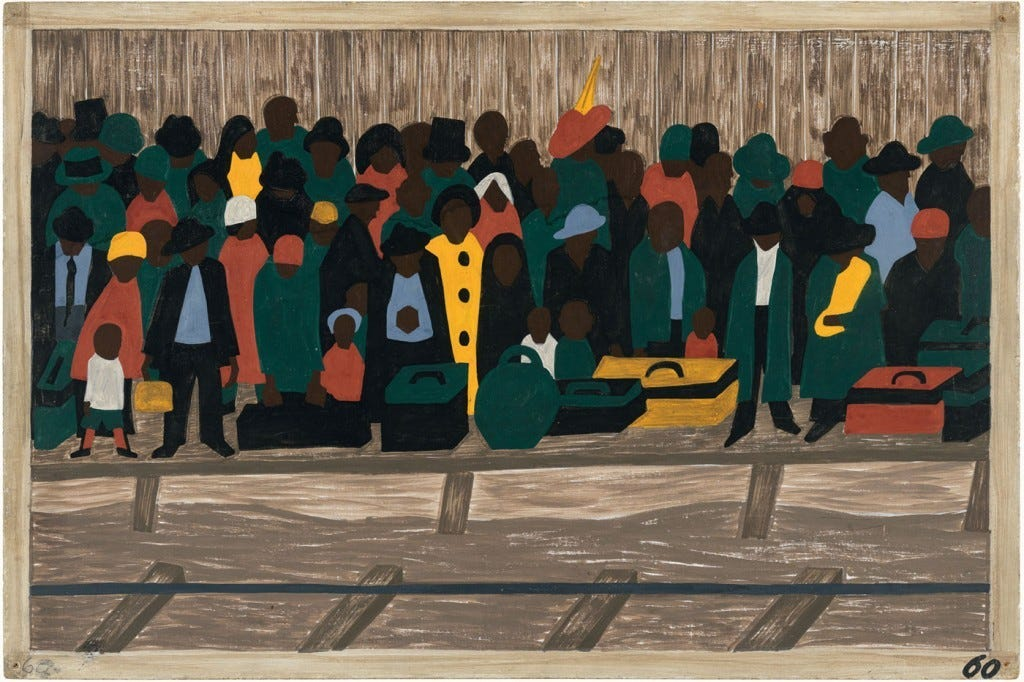
The first shock usually comes in small, almost laughable moments but one that define how you live.
Diaspora Connect
Stay Connected to Home
From Lagos to London, Accra to Atlanta - We Cover It All.
You walk into a grocery store to just get something that you need and is familiar to you. You’re not asking for much—just pepper that will make you run for water when you put it in your meals or just bread—the Agege bread version and any food that reminds you of home without having to explain it—but you get disappointed because you can't find it. You leave with paprika, disappointment, and a new respect for how deeply food is tied to memory.
Blending in starts with survival, you learn how to pronounce street names and slangs. You soften your accent on work calls so people stop asking you to repeat yourself. You laugh a second later than everyone else in conversations, just to be sure you’re laughing at the right thing and in the context. You Google cultural references mid-conversation and nod like you already knew.
At first, it feels exciting—a new environment, new systems and new possibilities. You tell yourself this is growth. And it is—but it’s also quiet work. Emotional work if you ask me—the kind nobody prepares you for when they’re posting relocation success stories online.

You realise quickly that blending in doesn’t mean erasing where you’re from, but it often demands that you package it neatly. Something that won’t make the room uncomfortable. So you say “spicy food” instead of explaining peppery food. You say “sweet bread” instead of Agege. You shorten your name or accept a mispronunciation because correcting people every time is exhausting.
It is literally a reality of you learning a new world, but the world is not learning you at the same pace.
What Distance Really Takes From You
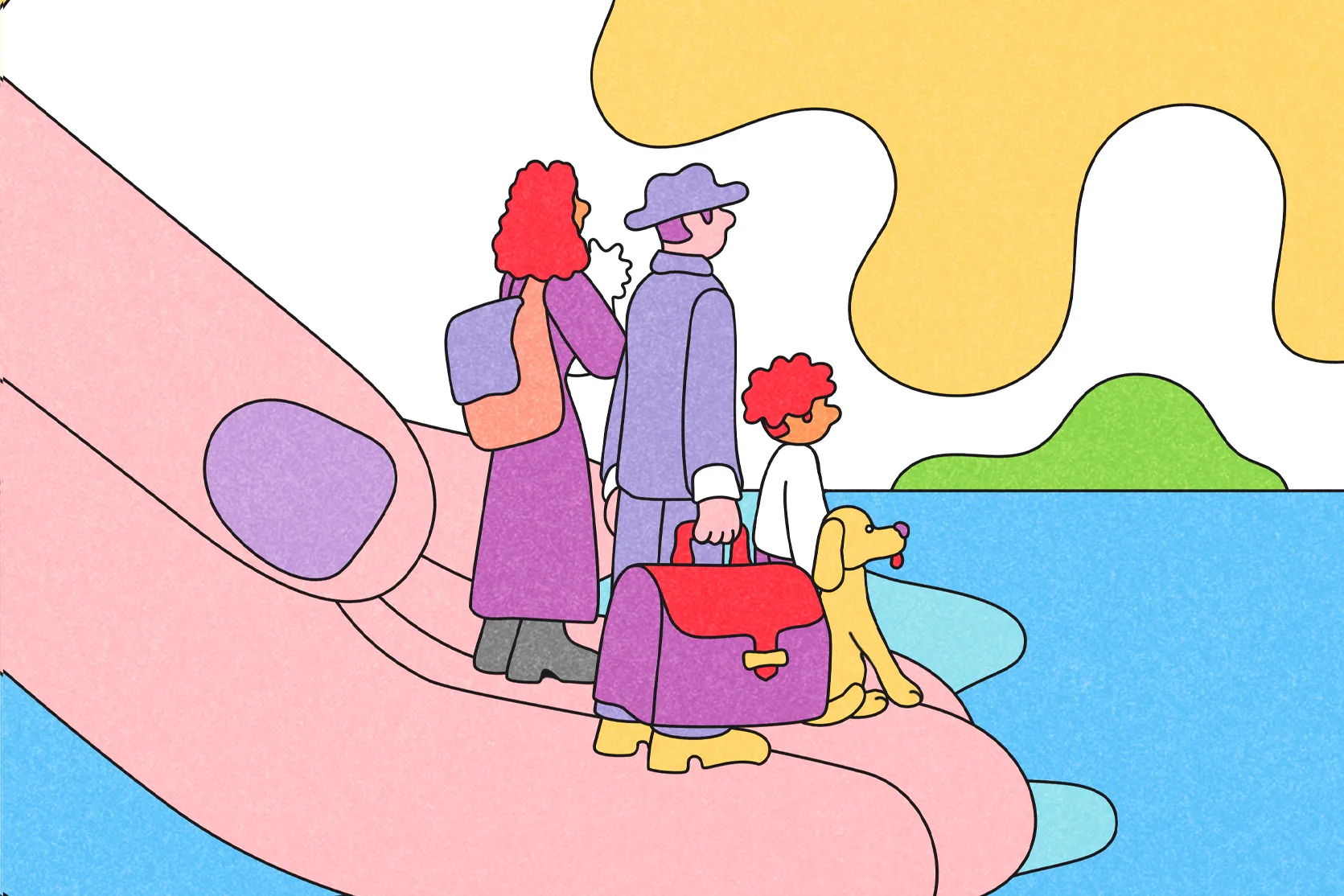
The hardest part of being diasporan isn’t the weather or the paperwork—it’s the absence of shared context.
Back home, jokes don’t need footnotes. A single phrase can mean so many things—a raised eyebrow, or a familiar insult can carry a whole history. Abroad, humour becomes careful—you find yourself explaining punchlines or worse, abandoning them entirely— so that you don't sound offensive.
You miss the environment that shaped you—not just physically, but emotionally. The noise and chaos. The way people talk over each other and still understand. You miss family members who know you without needing updates. Friends who understand your silences. The comfort of being known.
Diaspora Connect
Stay Connected to Home
From Lagos to London, Accra to Atlanta - We Cover It All.
Phone calls home become both healing and heavy. You hear of weddings you couldn’t attend. Funerals you watched through shaky video calls. You calculate time zones so that you can fully express joy or sadness so that everyone will not move on before you show your expression.
There’s also guilt—the quiet kind. Guilt for leaving and staying away— in some cases guilt for enjoying stability while others are still navigating survival and the expectancy of black tax and also the ironical guilt for struggling, because you’re supposed to be “doing well” now.
You realise that being far from home stretches your identity in uncomfortable ways. You are no longer fully here, but you are not entirely there either. You exist in between—translating cultures, adjusting expectations, explaining yourself repeatedly to people who mean well but don’t fully understand.
And yet, you keep going. Because this life, complicated as it is, is the one you chose — or the one circumstances pushed you into choosing.
Still Explaining, Still Becoming
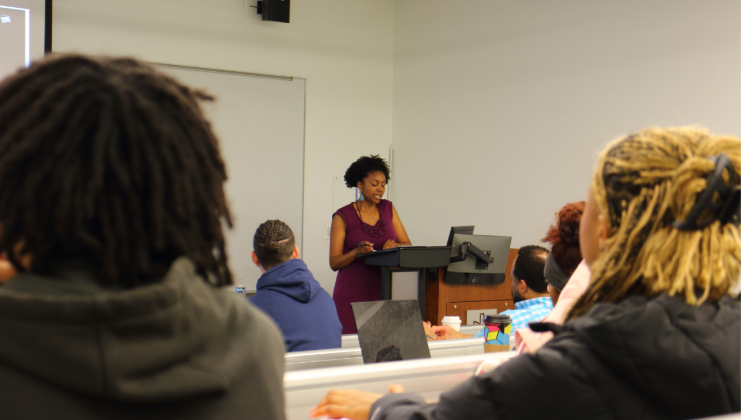
Years usually go by, but the explanations don’t stop—there is still the subtle reminder that you're a stranger—maybe not as loud as it used to.
You still clarify where you’re from and still answer questions about your accent, your food, your country’s politics. You still carry the responsibility of representation—whether you asked for it or not.
But time they say—changes the realities we see and nothing is static.
Diaspora Connect
Stay Connected to Home
From Lagos to London, Accra to Atlanta - We Cover It All.
So you actually have to blend in and become more gentle with yourself—and blending in—in this context—doesn’t require shrinking and that is you cooking your food loudly, without having to explain too much. You teach your friends how to pronounce your name properly. You stop over-explaining your culture to people who aren’t listening.
So if you're planning to Japa one day or maybe you don Japa sef—You should realize that your identity isn’t something you abandon at the border. It should travel with you—evolving, adapting, but never let it disappear.
Diaspora life is not a straight line. It is longing and learning happening at the same time. It is missing home while building something new. It is explaining where you’re from, yes—but also deciding, slowly, who you are becoming.
And maybe that’s the quiet truth nobody is saying out loud that blending in wherever you find yourself is a skill and belonging is a process.
And for many of us, home exists in fragments we carry wherever we go.