Is Hantavirus Still a Threat? What Happened After the Headlines Faded?
Is hantavirus still a threat in 2026? Explore what happened after the MV Hondius outbreak, why it was contained and how misinformation spread faster than the virus itself.
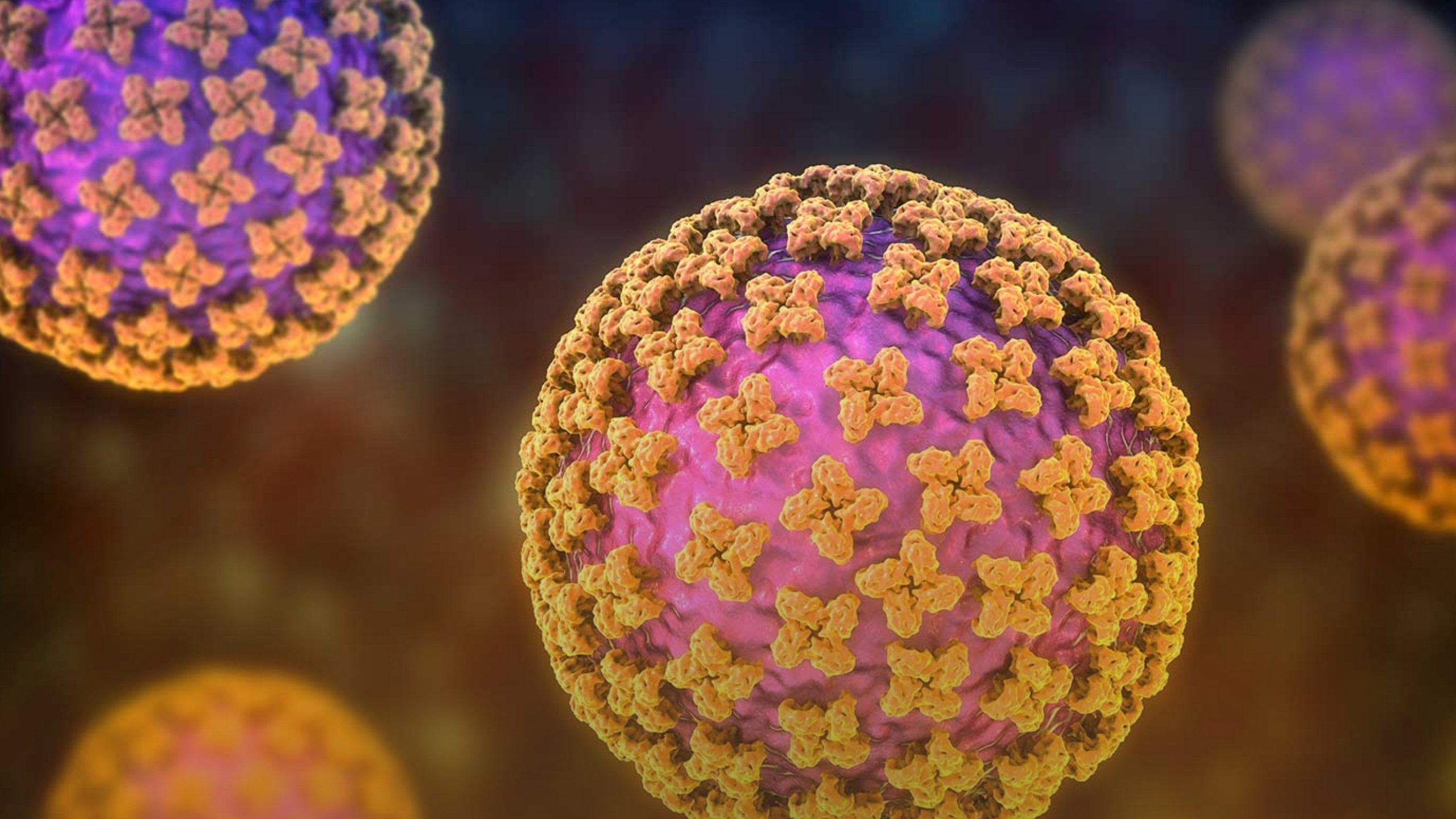
For about three weeks in May, hantavirus was everywhere. A Dutch cruise ship called the MV Hondius carried a rare and deadly strain across the Atlantic where three passengers died and social media ultimately turned a contained medical event into trends and memes for the next global lockdown.
Then the ship docked, the quarantines ended and the story quietly disappeared from most feeds. Months later, the questions people should be asking are simpler than the ones that trended in May.
What actually happened to the virus that was supposed to be "Covid 2.0"? And why didn't it become one?
What Actually Happened to the 2026 Hantavirus Outbreak
The outbreak traced back to the Andes virus, a hantavirus strain endemic to parts of Argentina and Chile. It was detected aboard the MV Hondius, an expedition vessel that departed Ushuaia in April with 147 passengers and crew from 23 countries.
By the time the World Health Organization closed its investigation on July 2, the final tally stood at 13 associated cases and three deaths which all traced to the ship rather than to any wider community spread.
The United States Centers for Disease Control and Prevention formally ended its federal response on June 24 which was after a 42 day quarantine period cleared the last group of exposed Americans housed at a facility in Nebraska.
No secondary cases emerged outside the original cluster. The outbreak, in plain terms, stayed exactly where it started.
Why the Outbreak Was Contained So Quickly
The Andes virus is unusual among hantaviruses because it is the only one confirmed to spread between humans. However, that transmission is nothing like influenza or coronavirus.
It requires prolonged, close contact, the kind found in shared cabins, caregiving without protective equipment or extended time in poorly ventilated spaces. It does not spread through brief encounters, casual proximity or surface contact the way COVID-19 did in its early, uncontrolled months.
That single biological detail explains almost everything about how this outbreak ended. Health authorities in the United States, the European Union and the United Kingdom moved fast once the cluster was confirmed.
Contact tracing began covering 188 high risk individuals across seven countries with evacuation flights were coordinated within days and every exposed passenger was placed under structured quarantine tied to the virus's up to 42 day incubation window.
There was no scramble for a vaccine because containment did not depend on one. It depended on identifying a small, traceable group of people and isolating them before the incubation period ran out.
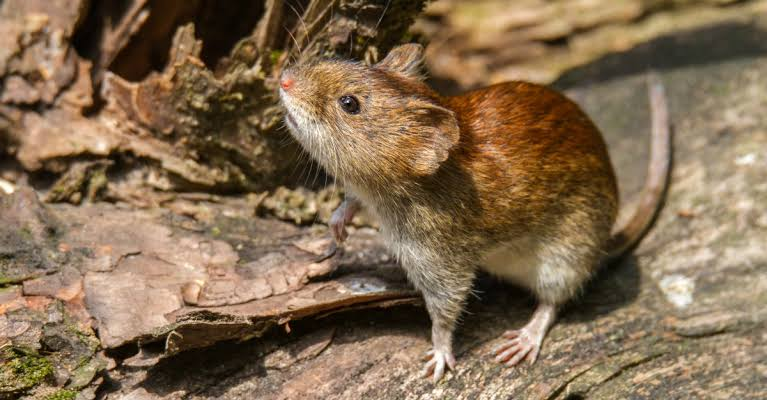
Investigators also tested rodents near the ship's port of origin in Ushuaia and found a related but distinct viral variant in the wild and this confirmed the outbreak came from a single environmental exposure rather than an ongoing source.
Did Less Panic Really Stop It From Spreading Like COVID-19?
There is a popular theory where a strand of online commentary argued that hantavirus stayed contained precisely because the public did not panic the way it did during COVID-19, as though fear itself is what fuels a pandemic.
COVID-19 spread globally because it was airborne and highly transmissible through routine daily contact and often contagious before symptoms appeared. Andes virus is symptomatic transmission only, meaning people generally were not infectious until they were visibly sick, which made isolating cases far easier.
The World Health Organization's epidemic and pandemic preparedness director, Maria Van Kerkhove, pushed back directly on comparisonsbetween the two, pointing out that hantavirus is a well understood pathogen with a long research history, unlike a novel coronavirus.
Containment happened because of transmission biology and coordinated public health response not because the internet chose to be calm. If anything, the internet was the opposite of calm.
The Conspiracy Theories That Followed the Outbreak
Within hours of the first reports, the same misinformation networks that thrived during COVID-19 resurfaced, this time, with a new target. Some influencers labeled the outbreak a "plandemic" or a manufactured bioweapon designed to justify another round of lockdowns and vaccine profits, despite no approved hantavirus vaccine existing at all.
Others pushed ivermectin as an unproven treatment. A separate claim falsely linked the virus's name to a Hebrew slang term for "scam" and this fabrication briefly circulated before being corrected.

None of these theories held up against the actual epidemiology but that was never really the point. Misinformation researchers have noted that these claims function less like isolated rumors and more like an established infrastructure and a standing network of accounts ready to attach itself to any new health scare regardless of the facts on the ground.
What the Hantavirus Scare Reveals About Modern Health Panics
The real story of hantavirus in 2026 is not that it disappeared because people stopped worrying. It is that public health systems did what they were meant to do: trace, isolate and contain a pathogen whose spread depends on prolonged human contact rather than casual exposure.
The louder story, the one about manufactured pandemics and suppressed cures, spread faster than the virus itself ever did. That gap between viral biology and viral misinformation is worth remembering the next time an outbreak makes headlines and then quietly fades from them.