Horror Icons Stephen King & Guillermo del Toro Unanimously Endorse Hidden Gem Apple TV Thriller!
Apple TV's 'Servant,' created by M. Night Shyamalan, stands out as a unique and critically acclaimed supernatural horror series exploring grief and familial dynamics. Complementing passive viewing, an interactive quiz analyzes survival instincts against iconic villains like Jason Voorhees and Freddy Krueger, highlighting diverse ways audiences engage with the horror genre.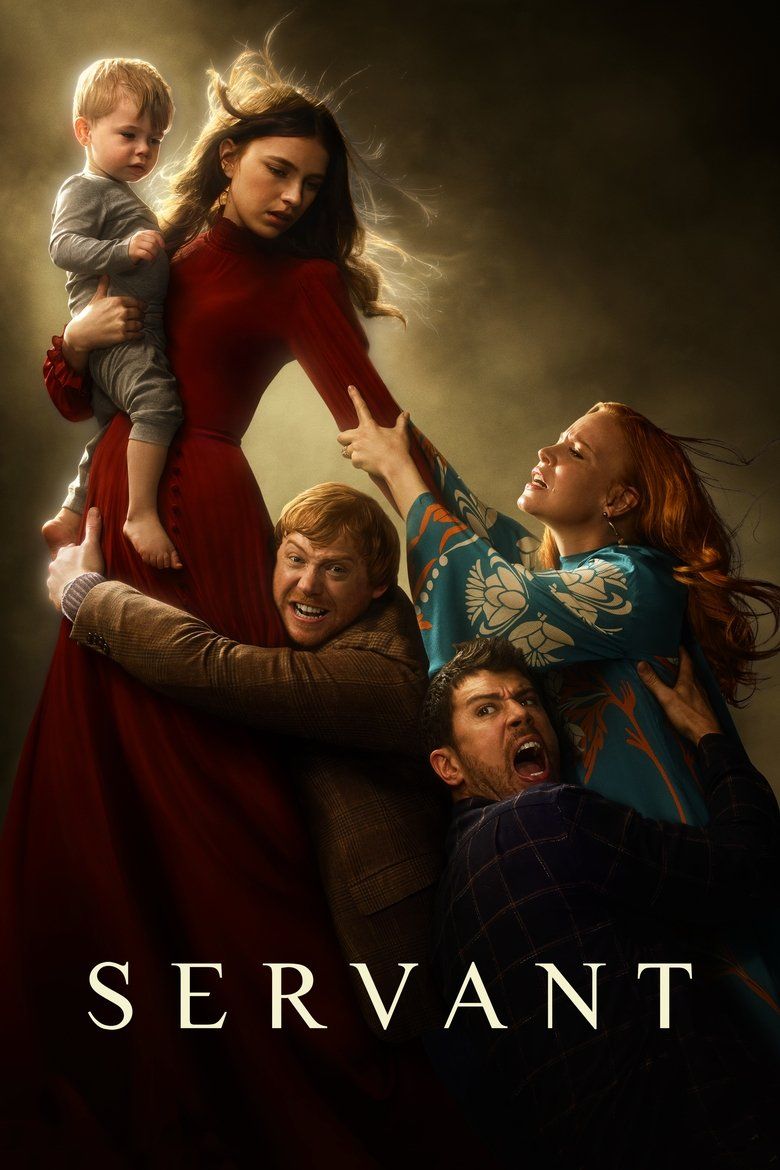
The landscape of modern entertainment has seen streaming services increasingly specialize, with Apple TV establishing itself as a premier destination for science fiction. However, breaking into the horror genre has presented a unique challenge for many platforms, including Apple TV, especially when compared to giants like Netflix. Sustaining suspense and narrative tension over multiple episodes in a series format is often more demanding than in self-contained films. Recognizing this, Apple TV made a strategic move by partnering with M. Night Shyamalan, a renowned master of psychological horror, to debut "Servant," a supernatural horror show that has since garnered critical acclaim and a dedicated following.
Shyamalan, known for his polarizing filmography, began a significant career resurgence in the mid-2010s by returning to his roots with low-budget, high-concept horror. "Servant" reflects this stylistic approach, offering a distinct take on the genre through its half-hour format, which proves highly effective in maintaining constant engagement without unnecessary filler. Set in Philadelphia, the series delves into the profound grief experienced by celebrity chef Sean Turner (Toby Kebbell) and his television news reporter wife Dorothy (Lauren Ambrose) after the tragic loss of their infant son, Jericho, at just thirteen weeks old.
To cope with her devastating sadness and prevent a breakdown, Dorothy adopts an unusual method: she cares for a lifelike doll made to resemble Jericho. Sean, despite his discomfort, hires a young nanny, Leanne Grayson (Nell Tiger Free), to look after the doll, while Dorothy’s alcoholic brother, Julian Pearce (Rupert Grint), attempts to support the couple. As "Servant" progresses, its premise twists into increasingly bizarre directions, hinting at Jericho’s potential revitalization being intrinsically linked to the presence of a godless cult and an ancient curse, pushing the boundaries of folk horror.
The series has been lauded by prominent figures in the horror community. Stephen King described it as "extremely creepy and totally involving," while Guillermo del Toro praised it as "a beautifully crafted, elegant show" that is "surreal, iconoclastic and insidiously creepy in many small ways." Beyond its supernatural elements, "Servant" excels in crafting a compelling version of reality, grounding the character drama before gradually introducing the folk horror aspects. It explores the intricate dynamics within the Turner family: Dorothy's shattered confidence, Sean's dilemma over indulging his wife's coping mechanisms, Julian's conflicted desire to help without exposing his own issues, and Leanne's complex role within their caustic environment.
"Servant" offers an insightful and surprisingly honest exploration of grief, demonstrating how tragedy can linger and evolve over extended periods, rather than just immediately after its occurrence. While featuring truly haunting imagery, the show also possesses a dark comedic undertone, often stemming from the inherent selfishness of its characters, who frequently face consequences for their actions. This approach makes the unsettling events more palatable, as the characters are often complicit in their own misfortunes. Shyamalan's knack for familial intrigue is evident, with the series constantly shifting power dynamics, ensuring no single character maintains complete control or self-awareness. Despite their wealth, the Turners, and Julian's relative freedom, Leanne's symbolic possession of Jericho's "soul" grants her significant, enduring influence.
One of "Servant's" greatest strengths is its ability to constantly reinvent itself, deepening its mythology across seasons and illustrating Dorothy's increasing divergence from her former self. The half-hour episode length is crucial, guaranteeing a steady stream of scares and plot progression without narrative padding. The characters' efforts to maintain a semblance of normalcy also enhance the show's believability, removing the need to continually justify why such extraordinary events wouldn't attract wider external attention. Initially an underrated gem, "Servant" aired before Apple TV solidified its reputation for prestige content and before M. Night Shyamalan's recent string of successful films further elevated his standing. With endorsements from horror titans like King and del Toro, "Servant" remains a compelling and continually relevant addition to Apple TV's high-quality genre offerings.
Beyond the passive consumption of streaming series, the horror genre also thrives in interactive experiences that engage audiences more directly. One such example is the popular "Which Horror Villain Do You Have the Best Chance of Surviving?" quiz, which challenges participants to assess their survival instincts against iconic cinematic antagonists. This quiz offers a unique way for horror enthusiasts to delve into the mechanics of survival horror, analyzing their potential responses to a variety of terrifying scenarios.
The quiz presents a series of eight questions covering critical survival aspects: initial instincts when something feels wrong, typical environmental settings, one's most reliable survival asset, the type of fear hardest to fight through, one's role in a group situation, common horror movie mistakes, effective weapons against unconventional threats, and the ultimate reason for survival in a final scene. Based on these responses, the quiz calculates the participant's odds against five legendary villains: Jason Voorhees, Michael Myers, Freddy Krueger, Pennywise, and Chucky.
Each villain profile highlights specific traits that make them vulnerable to certain survival strategies. Against Jason Voorhees, known for his relentless but predictable pursuit, survival hinges on constant movement, environmental awareness, and resisting panic. Jason's linear approach is exploited by those who think tactically about terrain, water, and distance. Michael Myers, a patient and methodical stalker, is best countered by spatial awareness and keen observation, much like Laurie Strode. His power lies in exploiting the invisibility of ordinary settings, making those who notice subtle anomalies the most likely to survive.
Freddy Krueger, who weaponizes fear, memories, and the subconscious, is vulnerable to psychological resilience. Survivors on Elm Street were those who faced uncomfortable truths and refused to let fear empower him. Staying grounded when reality is distorted is key. Pennywise, an ancient, shapeshifting entity that feeds on terror, finds its weakness in those who genuinely stop being afraid. Directly confronting fears and refusing to let them fester negates its primary source of power, making fear itself taste like nothing. Finally, against Chucky, whose advantage is being underestimated due to his appearance, survival depends on immediate skepticism and taking all threats seriously, regardless of how absurd they may seem. Closing the delay between recognition and response, and refusing to laugh off the threat, are critical.
These interactive elements, alongside meticulously crafted series like "Servant," underscore the diverse and evolving ways in which the horror genre continues to captivate and challenge audiences, whether through deep psychological narratives or engaging self-assessment tools. Both approaches reflect a sophisticated engagement with fear, suspense, and the darker aspects of the human condition.