Horror-Comedy's Ascent: Industry Finally Embraces Genre
The Apple TV show Widow’s Bay made history at the 2026 Primetime Emmy Awards, becoming the first horror series to win Outstanding Comedy Series and setting a new single-season record for a comedy. This unprecedented success highlights a renaissance for the horror-comedy subgenre, prompting a re-evaluation of its often-maligned status and a search for a clearer definition.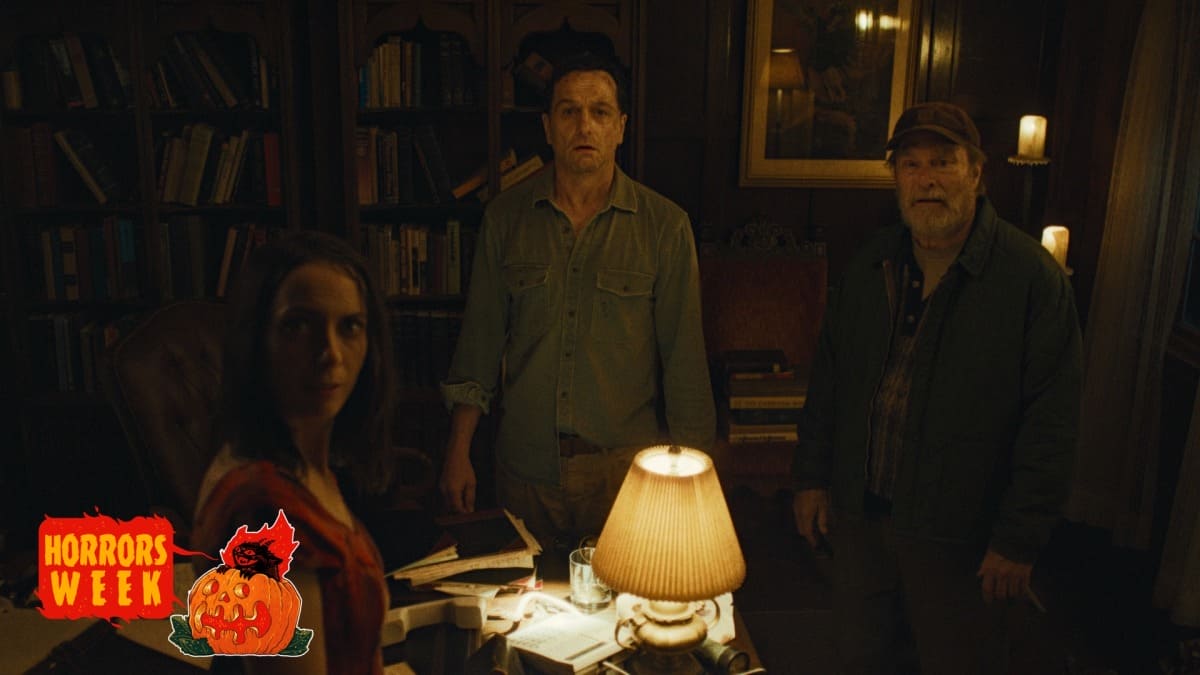
The Apple TV show “Widow’s Bay” made history at the 2026 Primetime Emmy Awards, earning its 14th Emmy and setting a new single-season record for a comedy. Crucially, it marked the first time in the awards’ 78-year history that one of its top prizes was bestowed upon a horror series. Creator Katie Dippold acknowledged the show’s unique nature in her acceptance speech, thanking for the "crazy creative swing" allowed for her "weird show" about a cursed New England island town. This recognition underscores an unprecedented shift in how horror-comedy is perceived and celebrated.
The accolades for “Widow’s Bay” are part of a broader trend where the stigmas once confining horror to the cultural margins are eroding. Evidence of this includes Amy Madigan's Best Supporting Actress Oscar for “Weapons” and earlier Emmy recognition for genre-adjacent shows like “American Horror Story,” “The X-Files,” and “The Twilight Zone.” “Widow’s Bay” distinguishes itself by tempering visceral chills with abundant sight gags, exasperated local reactions, and absurd asides, effectively blending horror and comedy elements.
This breakout success for “Widow’s Bay” caps off a period of renaissance for horror-comedy, which saw small-scale big-screen successes like “Tragedy Girls” and the “Happy Death Day” movies, alongside a wave of television series establishing the genre in the early 2020s. The American adaptation of “Ghosts,” for instance, proved so popular that its creative team launched a second supernatural sitcom, “Eternally Yours,” in the fall. While the subgenre remains a tough sell at the box office – with films like “Ready Or Not 2: Here I Come” and “They Will Kill You” struggling when released close together – 2026 also saw sequels to cult favorites “Black Sheep” and “Attack Of The Killer Tomatoes.” Furthermore, the ascent of Jordan Peele and Zach Cregger to prominent positions in modern horror suggests a growing tolerance for genre-bending "Frankenstein creations" that invite both laughter and screams.
Despite this resurgence, the question remains: why has horror-comedy historically been treated with less respect, despite its potential as a gateway genre for the horror-curious? One proposed theory posits that horror-comedy is simply too loosely defined. The vast array of works that fall under this umbrella makes it difficult to establish a shared aesthetic or precise rubric. For example, is a depiction of everyday people in a scary setup, like “Shaun Of The Dead” or “Abbott And Costello Meet Frankenstein,” the archetype? Or is it something with more macabre whimsy, such as “House” or “What We Do In The Shadows”? Perhaps a splattery caper akin to “Evil Dead II” or “The Return Of The Living Dead”? Even segments like “Treehouse Of Horror” from “The Simpsons” blur the lines, especially as they evolve from simple scary parodies to complex adaptations.
The challenge of definition extends to differentiating between horror-comedy, fantasy comedy, or even horror spoofs. Is “Death Becomes Her” a horror-comedy or a fantasy comedy with gothic undertones? Where does “The Witches Of Eastwick” fit? Charles Bramesco’s 2015 Vulture article highlighted this very issue, observing that films from “Abbott and Costello” to “Zombieland” all align under horror-comedy, yet exhibit "vast gulfs of difference in terms of tone." Eleven years later, this scattering persists.
However, the high profile of “Widow’s Bay” could offer a starting point for a more precise definition. The show's "witch's brew" suggests that a true horror-comedy must feature monstrous, supernatural, or paranormal elements encountering human characters whose terror is believable, but whose foibles and personalities are laughable. Crucially, any punchlines acknowledging the absurdity of these otherworldly intrusions should not undermine the frights. A sincere appreciation and expert execution of both comedy and horror conventions are also essential for the subgenre to truly thrive and gain the respect it deserves.