Hollywood Heavyweight Clooney Casts Doubt on AI Regulation
During the Venice Film Festival, George Clooney voiced strong skepticism about the U.S. government's ability to effectively regulate artificial intelligence. He highlighted concerns over lawmakers' lack of technological understanding, suggesting they are ill-equipped to oversee such advanced systems responsibly.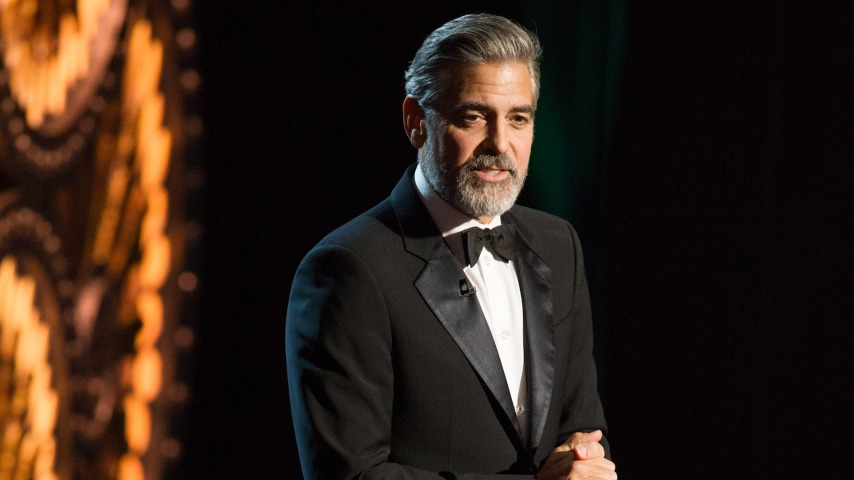
During his appearance at the Venice Film Festival, acclaimed filmmaker George Clooney once again utilized his platform to voice concerns about the perceived untrustworthiness of the U.S. government, this time specifically addressing the complex issue of artificial intelligence (AI) regulation. While acknowledging the clear necessity for oversight in a technology rapidly integrating into various industries, Clooney expressed profound skepticism regarding the government's competence to act as effective arbiters of such regulation.
Clooney's primary apprehension stems from a perceived lack of technological understanding among government officials. He articulated this concern by recalling instances of tech leaders testifying before congressional committees, providing a specific example of Mark Zuckerberg's testimony. Clooney quipped, "I sit and watch when Zuckerberg is testifying in front of, you know, a 94-year-old Chuck Grassley, and they’re like, ‘Well, how do you turn that computer on?'" This anecdote, published by Variety, vividly illustrates his point that individuals lacking a fundamental grasp of technology are ill-suited to oversee and regulate its advanced applications.
His remarks underscore a critical challenge in the modern regulatory landscape: how to effectively govern rapidly evolving and highly technical fields like AI when the legislative bodies tasked with this responsibility may not possess the requisite expertise. Clooney's blunt assessment, "These are not the people that you want to entrust the holy grail with," highlights his deep conviction that the current governmental structure, particularly regarding technological literacy, is inadequate for the monumental task of shaping AI's future responsibly and effectively.