Healthcare Crisis: Nigerian Resident Doctors Strike Begins, Then Suspended Amidst Public Outcry

The Nigerian Association of Resident Doctors (NARD) recently initiated an indefinite nationwide strike, leading to the withdrawal of services across public hospitals. This decisive action followed an extraordinary National Executive Council (NEC) meeting where members expressed "grave concern and total disappointment" over the federal government’s policies affecting their welfare and remuneration.
A primary catalyst for the industrial action was the government's decision to reverse the implementation of the reviewed Professional Allowance Table (PAT), effective April 2026. NARD condemned this move as a clear breach of existing agreements and established remuneration frameworks, warning of further deterioration in the already fragile welfare conditions for resident doctors and health workers. The association labeled the reversal as ill-timed and unjustifiable, predicting negative impacts on staff morale and the overall sustainability of healthcare delivery nationwide.
Beyond the PAT reversal, NARD highlighted a litany of unresolved financial obligations. These included persistent delays in the payment of promotion and salary arrears across various institutions, despite repeated government assurances. Concerns were also raised about the sluggish progress in disbursing the 2026 Medical Residency Training Fund (MRTF), a crucial resource for professional development. Furthermore, the association criticized the prolonged delay in commencing payment of 19 months' arrears of the Professional Allowance, previously promised by the government. NARD concluded that these issues collectively signal "a pattern of neglect, insensitivity, and lack of commitment" by the government towards its medical professionals.
The NEC issued clear demands, rejecting the government's reversal of the reviewed Professional Allowance and insisting on its immediate and unconditional reinstatement. They also called for the prompt payment of all outstanding promotion and salary arrears, swift conclusion and disbursement of the 2026 MRTF, and immediate processing and full payment of the 19 months' arrears of the revised Professional Allowance.
Such recurring industrial actions inevitably strain Nigeria’s already vulnerable public health system. Past instances have shown that service withdrawals lead to far-reaching consequences for patients, with elective surgeries postponed and access to emergency and specialized care severely limited. Patients with chronic or life-threatening conditions, particularly those unable to afford private healthcare, often bear the brunt, affecting critical services like cancer care and maternal health.
However, less than 24 hours after its commencement, NARD announced the suspension of the nationwide industrial action. This decision followed high-level government interventions involving the Vice President, the Coordinating Minister of Health and Social Welfare, the Minister of Labour and Employment, the Minister of Finance, and other key stakeholders. The National Executive Council stated that the suspension was a demonstration of goodwill in response to these engagements.
Despite the suspension, the association issued a strict two-week ultimatum to the federal government to definitively resolve the outstanding matters. These include the demanded reversal of the halted Professional Allowance Table (PAT), the payment of promotion and salary arrears, and the disbursement of the 2026 Medical Residency Training Fund (MRTF). NARD unequivocally warned that any failure to meet these specific demands within the stipulated timeframe would lead to an immediate resumption of the strike, underscoring their commitment to achieving improved welfare conditions and justice for their members.
You may also like...
Serrano Readies for Epic Title Defense Against Hanson at MVPW-03

Most Valuable Promotions is set to host MVPW-03 on May 30 in El Paso, Texas, featuring a blockbuster double main event. ...
Wirtz Ignites Debate: Liverpool's 'Giving Up' Against City Scrutinized by VVD
Liverpool midfielder Florian Wirtz has countered captain Virgil van Dijk's assertion that the team gave up in their rece...
'Dune 3' Tickets Sold Out 9 Months Before Release: Fan Hype Reaches Unprecedented Levels
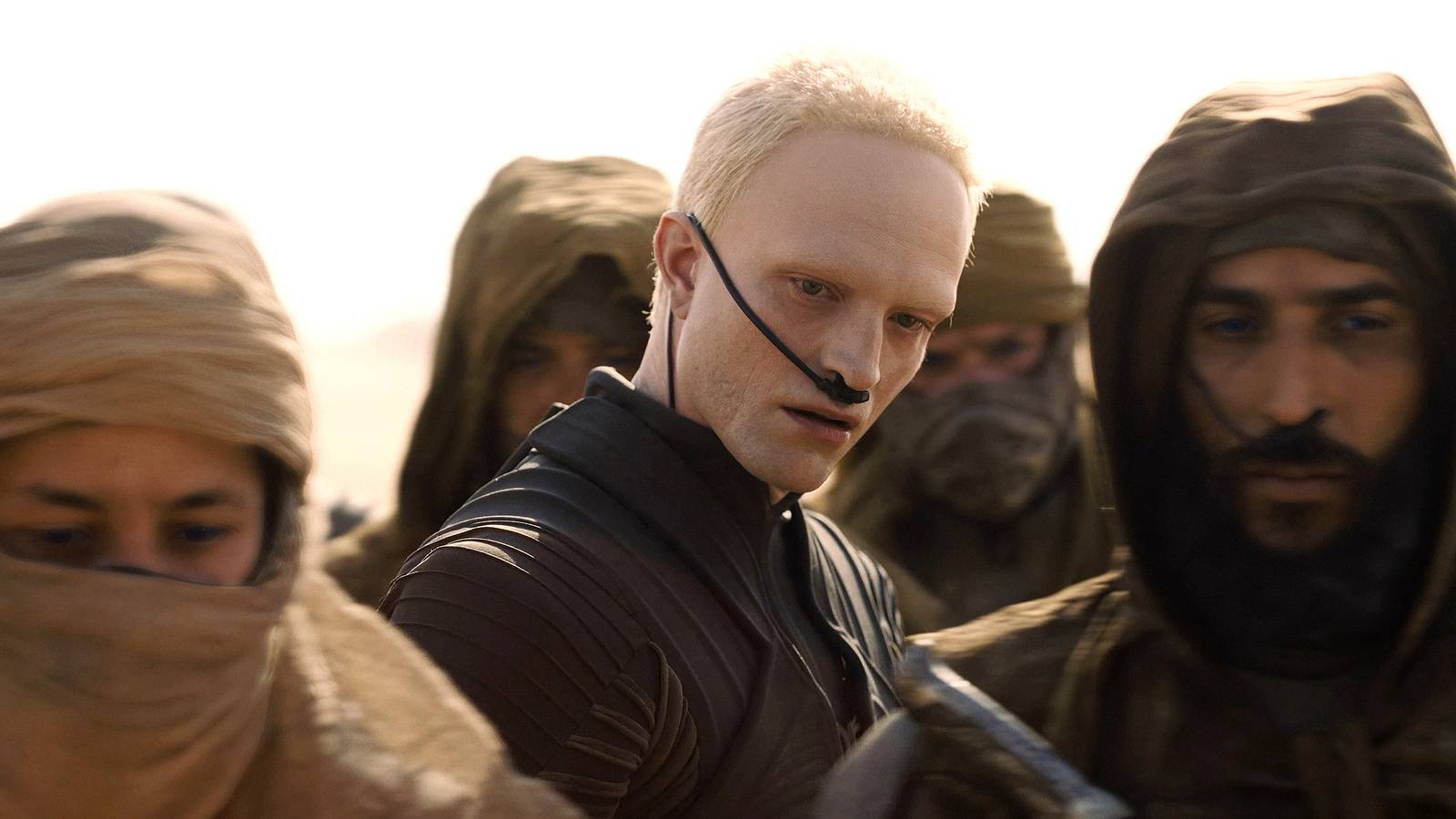
The 2026 box office is experiencing a strong resurgence, highlighted by the highly anticipated December 18 showdown betw...
Marvel's X-Men Reboot Director Unveils Ambitious Plans and Comic Inspirations
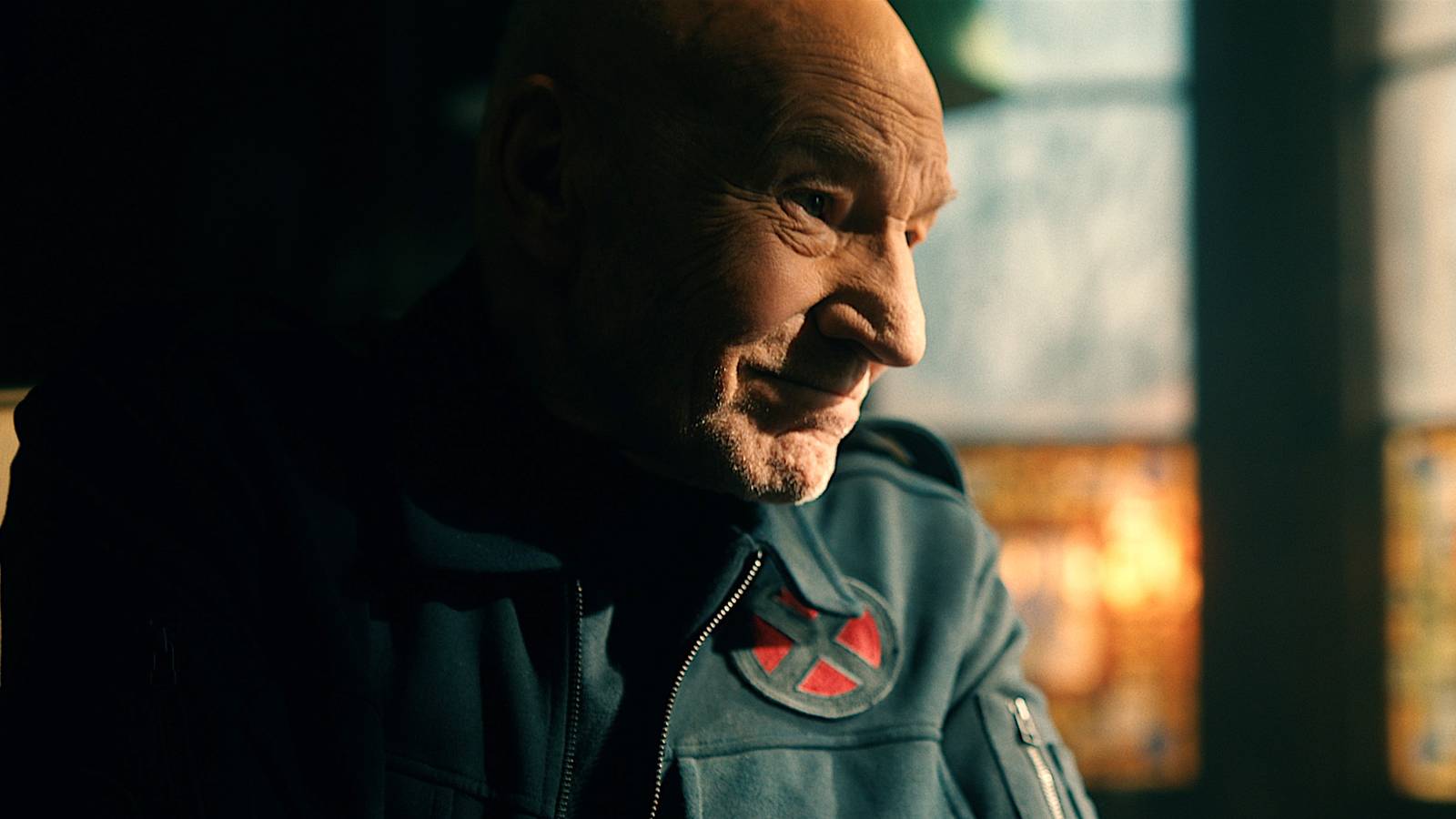
Director Jake Schreier revealed that Marvel's X-Men reboot is drawing inspiration from the classic Chris Claremont era o...
Kruger National Park's Stunning Comeback: Renewed and Thriving After January Floods
Kruger National Park in May offers exceptional safari experiences, benefiting from ideal dry season conditions and the u...
Telecoms Under Siege: $12M Lost to Theft as Crime Surges 189%!
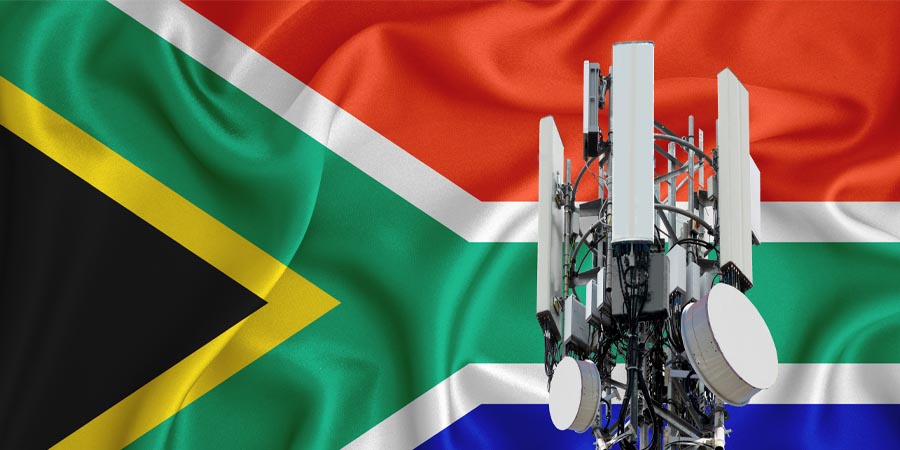
South Africa's telecom operators face a crisis as theft surges by 189% to $12 million in 2025, making it the dominant co...
Fintech Fortune: Lucky Secures $23M to Revolutionize North African Banking!

Egyptian consumer credit startup Lucky has secured $23 million in Series B funding to fuel its expansion across North Af...
Crypto Crime Wave: American Fraud Hits Staggering $11 Billion in 2025, FBI Warns!

The Indian SUV market sees compact SUVs leading sales in FY2025, with Tata Punch topping the charts. Maruti Brezza and F...
