HBO’s Lanterns Shakes Up the DC Universe With Hal Jordan’s Death and a New Villain
HBO's new series 'Lanterns' has captivated audiences with its neo-noir take on the Green Lantern mythos, featuring a dynamic duo in Hal Jordan and John Stewart. The show's pilot introduced a shocking twist with Jordan's apparent death, a narrative choice praised for avoiding common superhero clichés, while subsequent episodes delve deeper into an alien conspiracy involving Manhunters and introduce classic villains like Sinestro.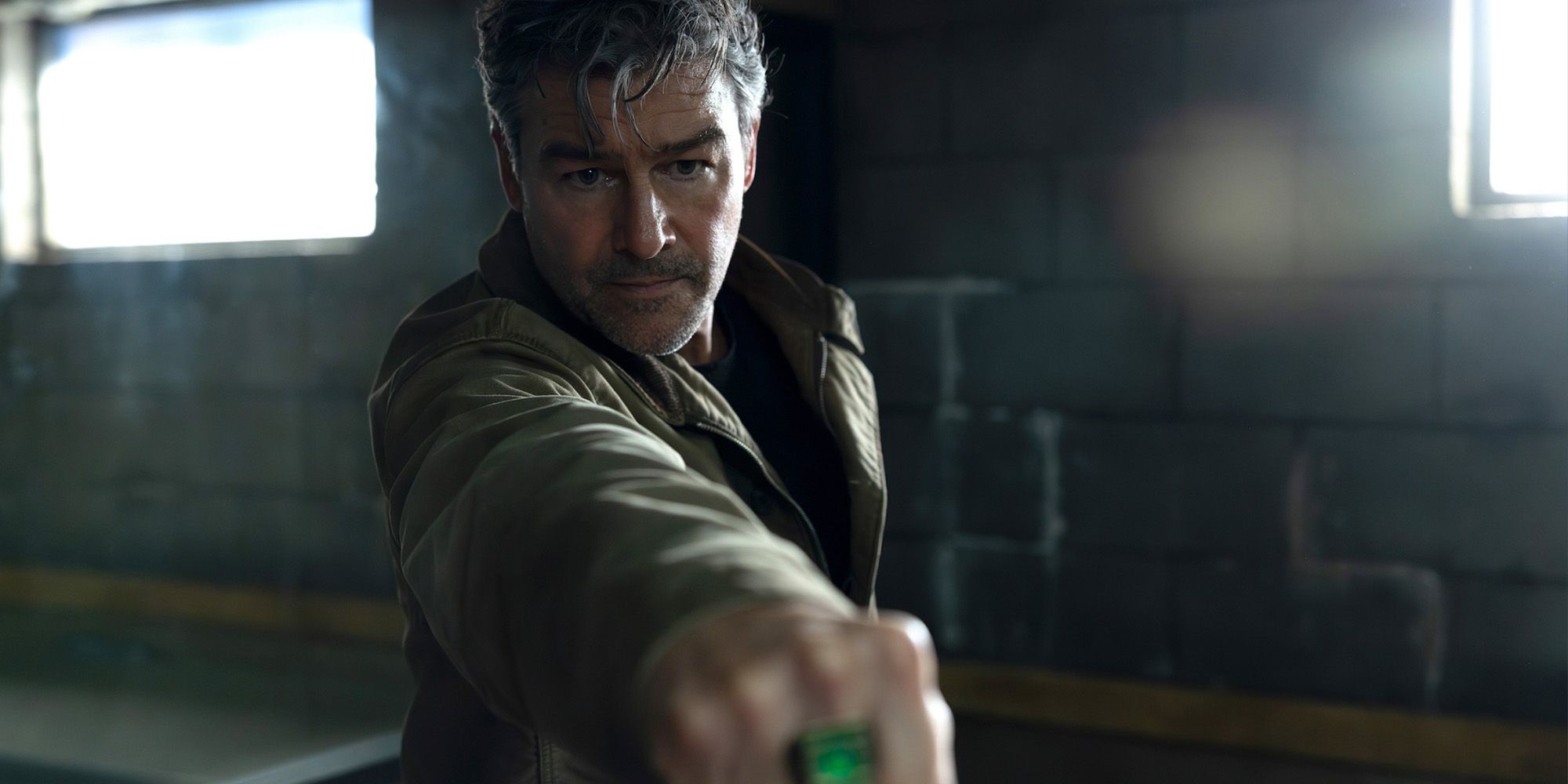
HBO’s Lanterns is off to a strong start, drawing 9.3 million global viewers in its first three days across HBO and HBO Max. The series follows veteran Green Lantern Hal Jordan, played by Kyle Chandler, and his successor John Stewart, played by Aaron Pierre, as they investigate a mystery in Rushville, Nebraska.
The premiere ended with one of its biggest surprises: John discovers Hal’s apparently lifeless body in Rushville in the present-day timeline.
That ending could have looked very different. Showrunner Chris Mundy and executive producer Damon Lindelof initially considered killing Sheriff Kerry Kane, played by Kelly Macdonald, but decided against it. Instead, they chose Hal because his death created greater stakes while allowing Kane to remain important to the story.
The decision also avoided the familiar “fridging” trope, in which a female character is killed or seriously harmed mainly to motivate a male character. Kerry’s survival leaves room for her relationship with John and her connection to the Rushville mystery to develop.
Episode 2 reveals the Manhunters
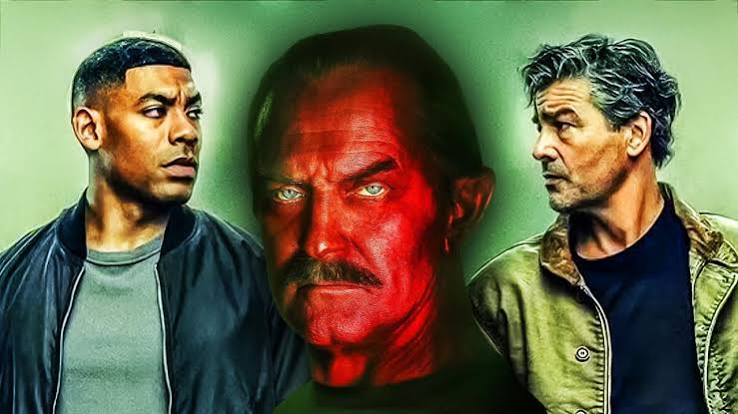
The second episode, “Trust Fall,” moves deeper into Green Lantern mythology while continuing to build the mystery surrounding Rushville.
John is abducted by Antaan, an alien who tells him about the Manhunters, synthetic beings created by the Guardians of the Universe before the Green Lantern Corps. Antaan claims that one of them survived and is hiding somewhere in Rushville.
He gives John 48 hours to find the creature, threatening to destroy the town if he fails. The episode also reveals that John can create a green construct without his ring, suggesting that his abilities may be more unusual than Hal realizes.
Meanwhile, Hal investigates strange equipment being used to detect aliens in Rushville. His investigation brings him into conflict with William Macon, who eventually has him shot.
John later finds Hal’s power battery and tells him about the Manhunter threat. That sends Hal into space to confront Sinestro, his former mentor and now an imprisoned enemy.
Sinestro points back to John
Played by Ulrich Thomsen, Sinestro gives Hal little clarity about the Manhunters. Instead, his response draws attention back to John, suggesting that the young Green Lantern could be far more important to the mystery than he initially appears.
The episode therefore leaves several major threads open. Who killed Hal? Is the Manhunter hiding in Rushville? Why can John create constructs without his ring? And what does Sinestro know about him?
The series has also left room for speculation about Hal's fate. His comic-book history includes death and resurrection, while the show's shapeshifting Manhunters create another possible explanation for what John found.
With the mystery now expanding beyond Hal's apparent death into the wider history of the Green Lantern universe, Lanterns is positioning its first season as both a detective story and a larger DC mythology mystery.