Have Aliens Already Found Earth?
Mysterious signals, unexplained radio bursts, and a growing African footprint in space research — could humanity already have alien company? Scientists across the world are rethinking what they know about life beyond Earth.

For centuries, humans have looked up at the night sky and wondered whether they were truly alone. That question, once confined to myth and philosophy, has now become a scientific puzzle driving global research. In recent years, astronomers have detected strange signals from deep space radio waves that defy easy explanation. While the world’s leading space agencies continue to debate their meaning, a new front in the search for extra-terrestrial intelligence is quietly emerging from Africa.
Across observatories from South Africa to Kenya, researchers are joining a global conversation that stretches far beyond the stars. What if, as some scientists now suggest, the question is no longer whether aliens exist, but whether they have already found us?
The Strange Signals We Can’t Explain
In 2007, astronomers analyzing archival data from the Parkes Observatory reported a brief, powerful burst of radio energy now known as the Lorimer burst, considered the first identified Fast Radio Burst (FRB). These millisecond flashes release extraordinary energy and have been recorded from distances of billions of light-years, baffling researchers. FRBs arrive unpredictably: some repeat while others remain one-offs, and their origins remain contested within astrophysics.
Systems that pursue the search for extra-terrestrial intelligence have been listening for decades. The SETI Institute and similar projects scan radio bands for patterns that look deliberately engineered rather than natural. At the same time, the world’s most sensitive radio instruments including China’s Five-hundred-meter Aperture Spherical Telescope (FAST) have reported unusual narrow-band and transient signals that periodically trigger investigation and then, in some cases, are attributed to interference. These episodes, however, consistently push scientists to ask whether some anomalies deserve more open-minded scrutiny.
Africa’s Quiet Rise in Space Science
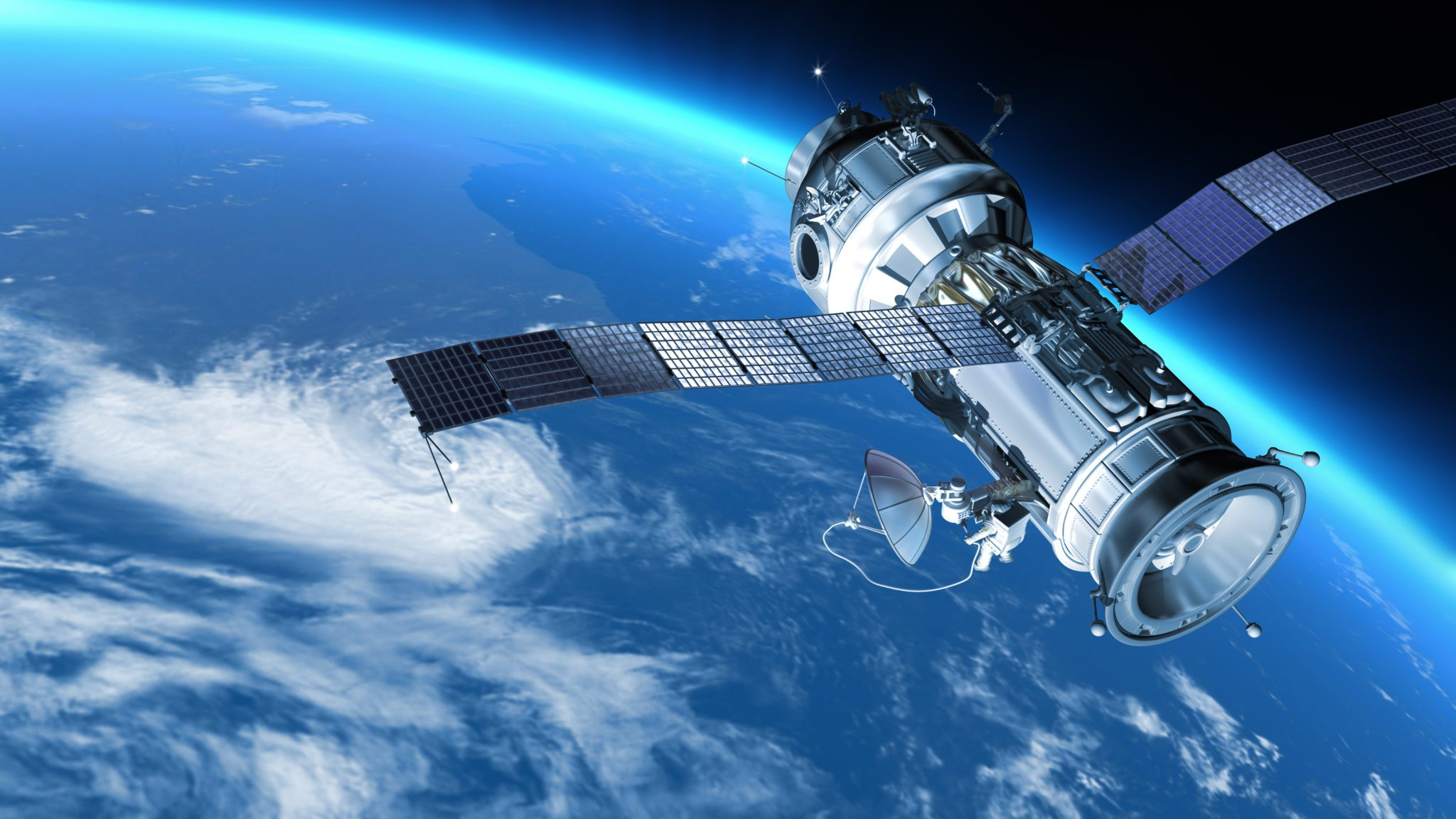
While headlines often celebrate NASA and private U.S. firms, Africa is becoming a key player in radio astronomy. South Africa’s MeerKAT radio telescope an array of 64 dishes already generates world-class data and will form part of the mid-frequency component of the international Square Kilometre Array (SKA), potentially the most sensitive radio observatory ever built. South African researchers working with MeerKAT have contributed to discoveries about galaxy formation, pulsars, and transient phenomena; their growing expertise increases the likelihood that Africa will be front-and-center if a faint cosmic “whisper” is ever detected.
Beyond South Africa, national space agencies and partnerships are expanding. Nigeria’s National Space Research and Development Agency (NASRDA) has grown its satellite programs and international collaborations to improve earth observation and tracking capabilities. Kenya hosts the Luigi Broglio Malindi Space Centre through Italian partnership, which continues to play a role in regional orbital activity and training. These investments signal a continental shift from being observers to becoming contributors in global space science.
Beyond research facilities, education and collaboration are driving Africa’s expanding role in space science. The African Space Agency (AfSA), officially launched by the African Union, coordinates continental efforts in satellite development, data sharing, and astronomy education. Universities such as the University of Cape Town and Obafemi Awolowo University now offer programs in astrophysics and space technology, building a new generation of African scientists. Through international partnerships with the European Space Agency (ESA) and NASA’s Jet Propulsion Laboratory, African researchers gain access to global data networks ensuring the continent is not left behind in humanity’s search for life beyond Earth.
If They’re Out There, Why Haven’t We Heard Clearly?
The Fermi Paradox, the contrast between the high probability of extra-terrestrial life and the lack of confirmed contact, remains a central puzzle. Many explanations exist: advanced civilizations might be rare, widely separated in space and time, or deliberately silent. The “Zoo Hypothesis” posits that we may be observed but intentionally left alone until a defined threshold of technological or cultural maturity is reached. Another possibility is that extra-terrestrial communication uses channels we cannot yet detect: quantum, neutrino, or gravitational-wave information carriers that require novel instruments and new thinking.
One provocative empirical episode that reignited debate was the interstellar visitor ‘Oumuamua in 2017. Harvard astrophysicist Avi Loeb and colleagues argued that some of its properties were atypical for natural objects and merited consideration of artificial explanations. That hypothesis remains contentious but has had the effect of expanding the scientific discourse on what possible signs of technology might look like.
Faith, Fear, and the Unknown
Discussions about extra-terrestrial life inevitably intersect with faith and culture. In Africa, cosmologies and religious frameworks shape how communities might interpret evidence of life beyond Earth. Historical accounts such as those about the Dogon people’s alleged knowledge of the Sirius star system have sometimes been used to suggest ancient, sophisticated astronomical awareness; scholars note such claims are contested and open to alternative explanations, including cultural contact and reinterpretation. The result is a complex cultural dialogue in which scientific curiosity and spiritual reflection often coexist.
The Stakes of Discovery
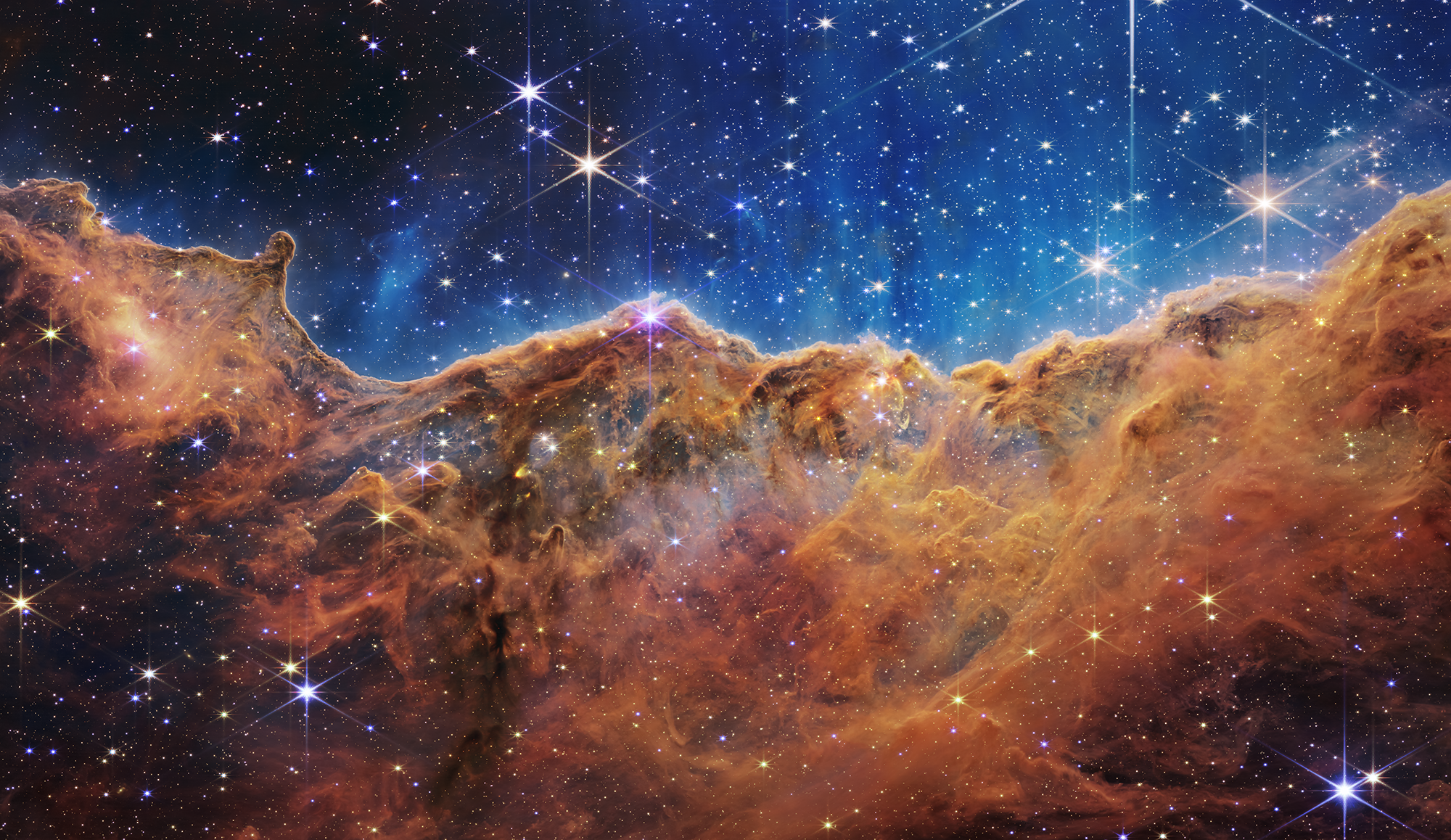
The confirmed detection of intelligent extra-terrestrial life would be a transformational event. It would challenge theological doctrines, reshape political priorities, and prompt questions about technological disparity and safety. Would contact unite humanity or destabilize societies whose identities rely on human centrality? Some experts emphasize the potential for global unity, an expanded perspective that reframes Earth’s struggles as small against a cosmic backdrop. Others warn that the social, economic, and religious consequences would require careful, coordinated responses. Either way, the stakes are immense.
Africa’s physical geography and rising technical capacity make the continent strategically important in future responses to any credible contact. With sparse radio-quiet zones and large tracts suitable for observatories, Africa’s telescopes integrated into global networks could be among the first to confirm or refute faint signals that other arrays detect.
Listening Beyond Ourselves
Whether or not aliens have already found us, the most compelling story is our own willingness to listen and to expand scientific imagination. The search for extra-terrestrial intelligence forces a re-examination of assumptions: about evidence, about what constitutes technology, and about who participates in discovery.
As infrastructure like MeerKAT integrates into the SKA and national agencies such as NASRDA deepen partnerships, Africa’s scientific voice will grow louder in the global chorus. If a cosmic whisper arrives, it may be one of the continent’s instruments that deciphers it first not because of luck but because of growing investment, talent, and curiosity. That possibility flips the old script: no longer merely spectators beneath the stars, Africans may be among humanity’s first interpreters of the universe’s unanswered questions.
If the universe is indeed alive with other civilizations, then perhaps they’ve already found us and are waiting for us to listen more carefully.