Harvey Weinstein's Desperate Bid to Overturn L.A. Rape Conviction Faces Skeptical Appeals Court
Harvey Weinstein's lawyer faced skeptical appellate judges in Los Angeles while arguing to overturn his 2022 rape conviction. The defense contended key Facebook messages were improperly withheld, claiming they undermined Weinstein's defense by suggesting the victim was with another man. However, prosecutors cited the rape shield law and judges questioned the relevance and procedural objections.
Harvey Weinstein’s lawyer faced a skeptical panel of appellate judges in Los Angeles on Thursday as she argued that his 2022 rape conviction should be overturned.
Weinstein, 74, was sentenced to 16 years for raping an Italian model at the Mr. C Hotel near Beverly Hills in February 2013.
In oral arguments on Thursday, his attorney Jennifer Bonjean argued that the trial court improperly withheld salacious Facebook messages between the victim and Pascal Vicedomini, the proprietor of an Italian film festival.
“The lower court all but gutted Mr. Weinstein’s defense,” Bonjean argued, saying that jurors were unaware of key evidence that the victim was with Vicedomini, and not Weinstein, on the night of the incident. “That would have gone a long way toward proving the defense.”
Weinstein’s earlier rape conviction in New York was overturned by the state’s highest court on the grounds that prosecutors were allowed to introduce prejudicial testimony from women who claimed they were assaulted, but whose allegations were not charged.
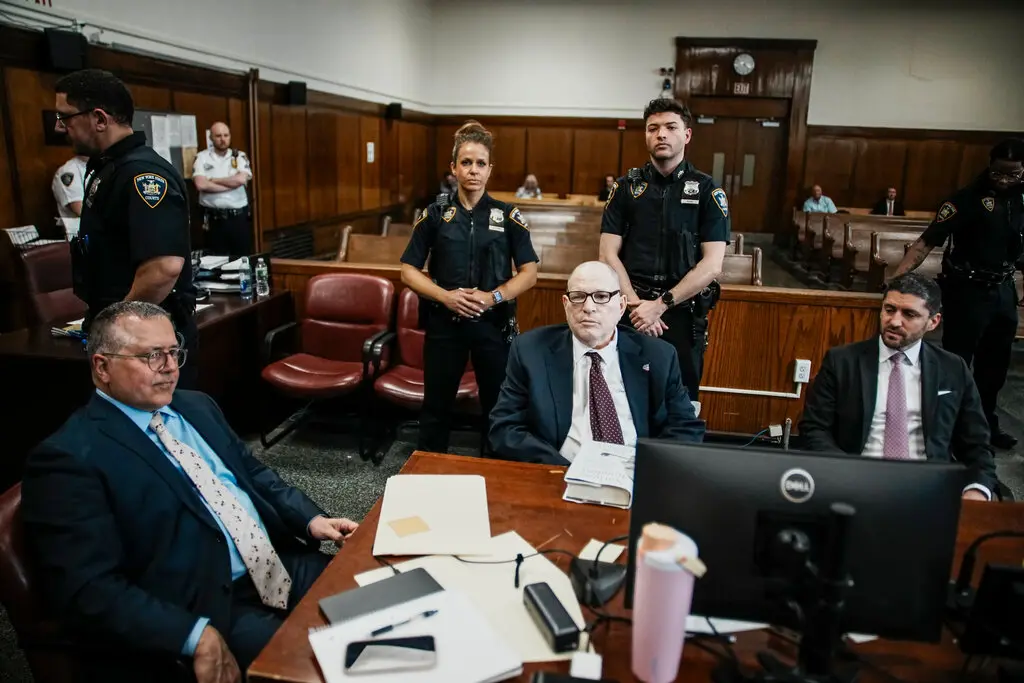
Weinstein faced similar testimony at his Los Angeles trial, but that testimony was not a major subject of the appellate argument on Thursday.
Outside court, Bonjean explained that California law gives prosecutors more leeway to introduce “propensity” evidence of sexual assault.
While she has argued that too much additional testimony was allowed, her primary argument related to the excluded evidence of a sexual affair with Vicedomini.
Both the victim and Vicedomini denied the affair, and Bonjean argued that the defense should have been to rely on the sexually suggestive messages to impeach their testimony.
In response, David Glassman, a deputy attorney general, argued that the defense actually did argue extensively to the jury about the alleged affair.
He further argued that the affair, if it did happen, was irrelevant to the question of whether the victim was raped.
“It is additional salacious messaging,” he said. “It doesn’t apply to any contested issue in the case.”
Glassman also argued that the attempt to prove the victim’s sexual relationship with someone else runs afoul of the California rape shield law, which prevents defense inquiry into a rape victim’s sexual history.
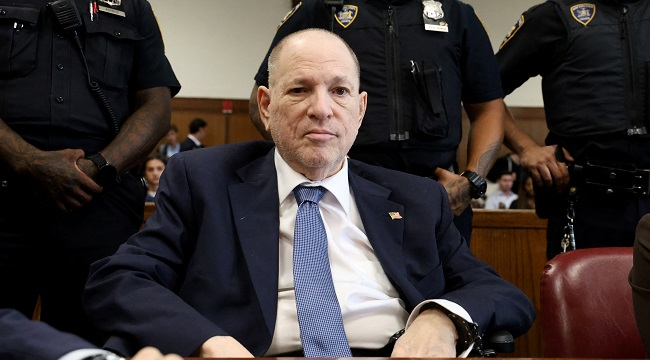
The three justices presiding over the case;Michelle Kim, Gregory Weingart, and Helen Bendix – directed a series of skeptical questions toward Weinstein’s attorney.
Justice Bendix commented, "One would argue you were able to present that theory."
Justices Weingart and Kim noted that Weinstein’s trial lawyers had failed to object to the exclusion of a subset of the messages, a procedural misstep that would typically preclude raising the issue on appeal.
Weingart also pressed Bonjean on why the rape shield law should not apply in this context.
Regarding Vicedomini's Zoom testimony, Bendix expressed strong disbelief at Bonjean's argument for its exclusion, pointing out that Vicedomini was "key to your alibi" and essential for the defense's case.
Harvey Weinstein is currently in New York, where he is facing a fourth rape trial for one of the two counts that were overturned by the state's Court of Appeals.

He was re-convicted of the other count last summer but has yet to be sentenced for it.