Hardware Horror: Ledger Probes Mysterious Implant After Major Fund Losses!
Hardware wallet giant Ledger is investigating reports of tampered devices and user fund losses, primarily affecting customers in Southeast Asia who purchased from an unauthorized reseller. This incident highlights broader security vulnerabilities within the hardware wallet industry, following other significant breaches at companies like Coldcard and Trezor.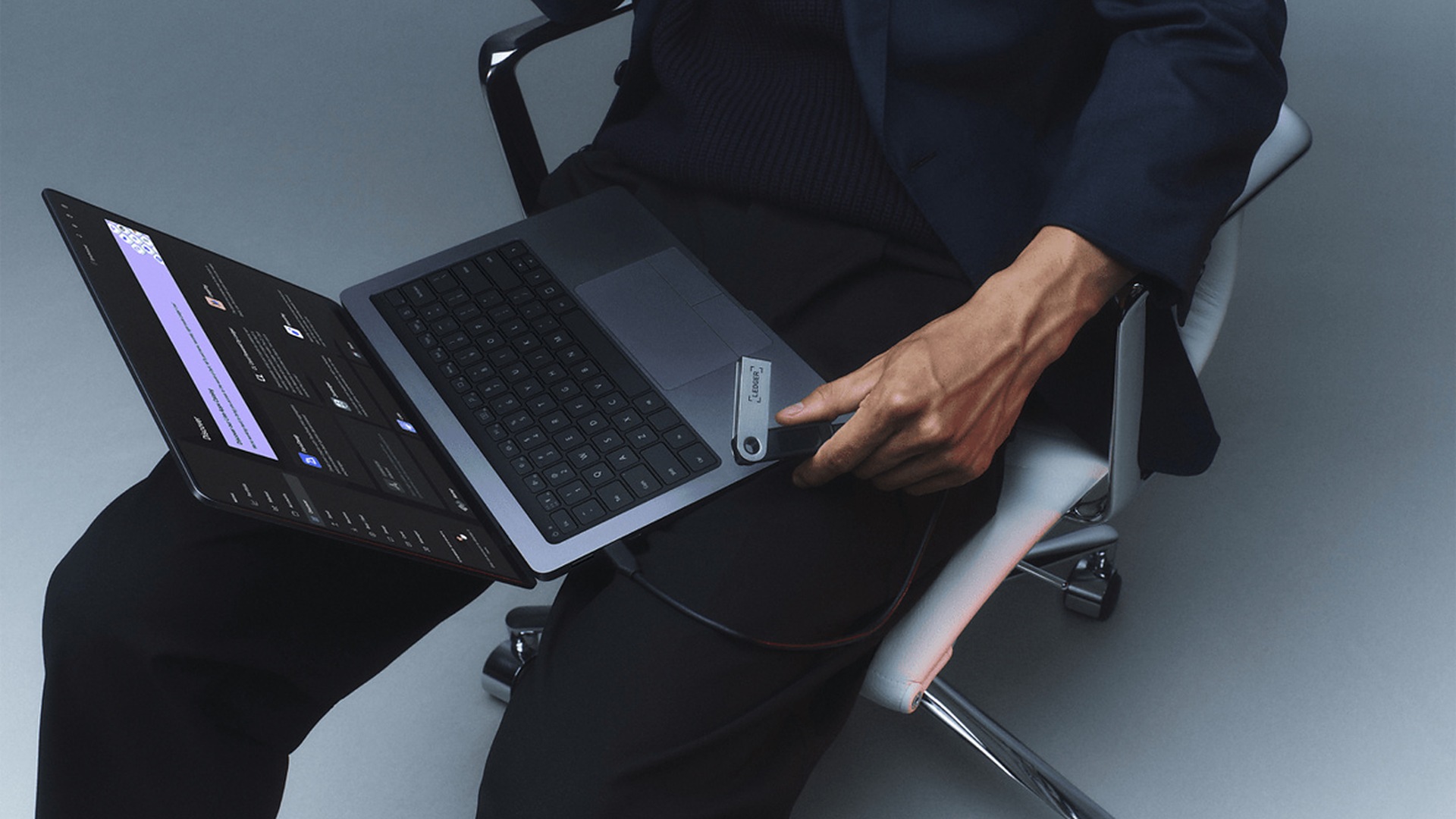
Hardware wallet manufacturer Ledger is actively collaborating with authorities following reports of users losing funds and one instance of a tampered device. The company confirmed on Sunday that it has reached out to affected customers, reassuring them that the number of impacted products is “limited.”
The investigation began after customers in Southeast Asia reported financial losses linked to purchases made from a reseller. By Saturday, Ledger confirmed that at least one of these users’ devices contained an unauthorized hardware implant. While Ledger has not disclosed the exact amount of money lost, blockchain investigator Specter estimates that approximately $86 million has been drained from affected devices.
Ledger emphasized its ongoing cooperation with relevant authorities and strongly cautioned users against purchasing hardware wallets from unauthorized resellers. The company highlighted that such purchases carry a significant risk of acquiring suspicious, counterfeit, or modified devices that do not adhere to Ledger's rigorous security guidelines. This incident, according to Ledger, underscores the continuous need to review and strengthen their distribution and anti-tamper processes.
Customers, particularly those in Southeast Asia, had reported losing funds after buying from Kuala Lumpur, Malaysia-based vendor CryptoBilis. Ledger subsequently advised anyone who had purchased from CryptoBilis not to set up their devices. CryptoBilis has since ceased selling Ledger hardware wallets, as confirmed by Ledger on Sunday. Social media platforms also showed photographic evidence of implants within Ledger products, with claims that these could compromise users' private keys, though the exact number of devices containing the implant remains unclear.
This incident adds to a series of security concerns surrounding hardware wallets. Earlier in July, hackers exploited a firmware bug in Canadian company Coinkite's Coldcard products, leading to faulty seed generation and allowing them to steal nearly $120 million in Bitcoin from users by guessing investor seedphrases. Separately, last month, Trezor, another hardware wallet manufacturer, reported that approximately 81,000 customers had their details leaked due to data theft from its third-party fulfillment partner. Furthermore, scammers have targeted customer information this year by leveraging data obtained through Ledger’s payment processor, Global-e, to send phishing emails, underscoring a broader pattern of criminal activity targeting data and digital asset security.