GPRTU's Controversial Arrests Spark Legal Firestorm Over Drivers' Rights
GPRTU arrests of 15 commercial drivers in Accra have ignited legal debates, with MPs and lawyers warning that unions lack authority to detain drivers over fares under Ghanaian law.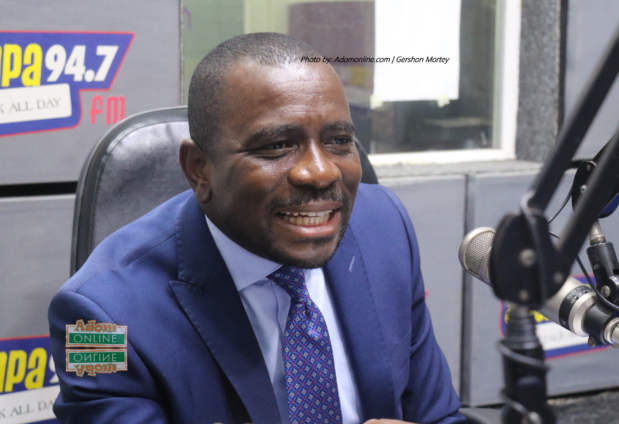
A recent operation by the Ghana Private Road Transport Union (GPRTU) task force in Ablekuma, Accra, has sparked widespread criticism and legal scrutiny after 15 commercial drivers were arrested for allegedly charging unapproved fares. Prominent figures have labeled the arrests unlawful and counterproductive.
Kennedy Osei Nyarko, the Ranking Member of Parliament’s Roads and Transportation Committee, condemned the action, stating that no Ghanaian law empowers the GPRTU or any union to arrest drivers over fare issues. He emphasized that Ghana’s liberalized economy allows market forces to dictate pricing and warned that administrative sanctions—not arrests—should address violations.
Confirming the operation, Derumond Ekow Gaise, GPRTU’s National Guard Commander, stated the arrests aimed to enforce fare compliance. However, several drivers denied wrongdoing, calling the arrests unjustified. Legal expert Martin Kpebu highlighted that these actions lack legal basis. He noted that failure to join a transport union is not a criminal offence under Ghanaian law and cited Article 19 of the 1992 Constitution of Ghana, which guarantees fair trial and due process. Kpebu argued that arbitrary arrests infringe on fundamental rights, likening them to civil, non-criminal disputes.
The controversy underscores the tension between regulatory enforcement by unions and the constitutional rights of individuals, raising urgent questions about the limits of union authority and the legal safeguards protecting drivers in Ghana.