Global Diplomacy in Focus: UK Urges Ceasefire as Sudan Crisis Deepens at Berlin Talks
UK Foreign Secretary Yvette Cooper is set to call for a ceasefire in Sudan at Berlin talks as funding gaps widen and the humanitarian crisis worsens amid ongoing conflict.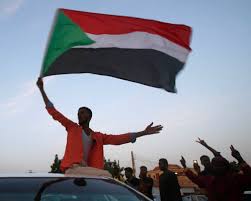
The UK Foreign Secretary Yvette Cooper is expected to urge Sudan’s warring factions to end the violence during high-level talks in Berlin on Wednesday.
The meeting marks three years since the outbreak of Sudan’s civil war, which continues between the Sudanese army and the paramilitary Rapid Support Forces (RSF).
Diplomats say the conference is unlikely to produce major breakthroughs, despite growing international pressure to secure a ceasefire.
A key focus of the talks is the severe humanitarian funding gap, with only 16% of required aid for Sudan currently secured.
The shortage comes as global attention is increasingly divided by other geopolitical crises, leaving Sudan’s response significantly underfunded.
Britain is expected to announce an additional £15 million in aid, doubling its support for frontline humanitarian efforts.
The funding will go toward emergency relief groups, including local volunteer networks known as Emergency Response Rooms.
The war has created what aid agencies describe as the world’s worst humanitarian crisis, with conditions rapidly deteriorating across multiple regions.
More than 19 million people are currently facing acute hunger, with projections suggesting up to 23 million may require urgent assistance in the coming months.
Several regions, including North and West Kordofan and parts of Darfur, are already experiencing emergency or catastrophic hunger levels.
Cooper is expected to call for unified international action, urging countries to push toward a ceasefire and political settlement.
However, diplomatic efforts remain stalled, with limited progress reported among key international stakeholders.
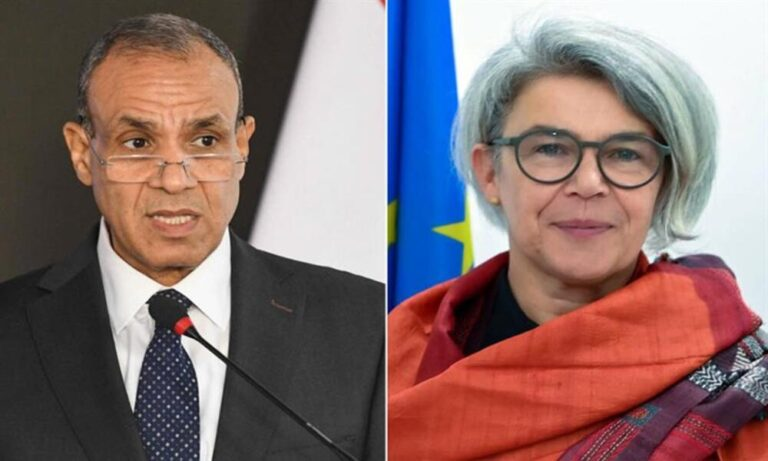
A proposed “Quad” grouping involving the US, Egypt, Saudi Arabia, and the UAE has struggled to reach consensus due to conflicting regional interests.
Analysts say divisions between external backers of rival factions have contributed to the lack of meaningful progress.
Some optimism surrounds the expected presence of US Africa adviser Massad Boulos at the Berlin talks, though expectations remain low.
Aid officials warn that the conflict is likely to intensify further, particularly in the Kordofan region, which remains a major battleground.
The UN has reported nearly 700 civilian deaths from drone strikes since January, highlighting the growing use of advanced weaponry in the conflict.
Despite mounting humanitarian pressure, observers caution that without a breakthrough in negotiations, Sudan’s crisis is set to deepen further.