Global Crisis: Iran War Unleashes Economic Havoc & Provokes Trump's Fury

The US-Israeli war on Iran has ignited a multifaceted global crisis, profoundly impacting energy markets, supply chains, and international relations. Central to this turmoil is Iran's strategic blockade of the Strait of Hormuz, a vital artery for global oil and gas shipments, which has triggered a cascade of economic and geopolitical repercussions worldwide.
The United Kingdom finds itself particularly vulnerable amidst this crisis. Former US President Donald Trump publicly chastised Britain, urging it to 'go get your own oil' as the global fuel crisis escalated. This directive came as the UK faces mounting concerns over its reliance on imported diesel and a looming jet fuel shortage, with the last known shipment from the Middle East anticipated to arrive within 48 hours. Despite urgent Cobra meetings convened by Prime Minister Keir Starmer to address the issue, accusations from MPs and industry insiders suggest a lack of a clear plan from the government, which has insisted the public should carry on as normal. Meanwhile, households are bracing for a potential £288 annual surge in energy bills from July, and the cost of filling up a diesel car has surpassed £100 for the first time since December 2022. The government, despite receiving an estimated £8 billion windfall from soaring energy prices, has resisted calls to cut fuel duty, opting for targeted support for benefits claimants rather than broader relief.
The aviation industry globally is experiencing an 'existential challenge' due to soaring jet fuel prices and supply disruptions. Airlines worldwide are hiking fares, introducing fuel surcharges, and revising financial outlooks. Examples include AEGEAN Airlines expecting a 'notable impact' on its first-quarter results, Air France-KLM planning a 50 euro increase on long-haul tickets, and Air New Zealand suspending its full-year earnings forecast. India's Akasa Air and IndiGo have introduced fuel surcharges, while US carriers like American Airlines and Frontier Airlines anticipate increased expenses and are reviewing forecasts. Hong Kong's Cathay Pacific and Greater Bay Airlines are raising surcharges, with Cebu Air reviewing pricing strategies. European airlines like EasyJet warn of higher ticket prices towards summer's end, and SAS has cancelled approximately 1,000 flights in April and hundreds in March due to the 'sharp and sudden increase' in fuel costs. Virgin Australia is also adjusting fares, and Vietnamese airlines, VietJet and Vietnam Airlines, have adjusted flight frequencies due to potential fuel shortages. Even cruise lines, such as StarCruises and Dream Cruises, have implemented new fuel surcharges.
Beyond fuel, the crisis threatens broader supply chains. NHS England chief executive Sir Jim Mackey has warned that critical supplies, including syringes, masks, surgical instruments, and drugs, could run out in 'days' due to the Strait of Hormuz blockade and disruption to global shipping. The UK's heavy reliance on international suppliers for three-quarters of its drugs and medical materials puts it at significant risk. Pharmacy leaders have reiterated fears of worsening medicine shortages, urging the government to act immediately by adding at-risk medicines to an export ban list and appointing a 'medicines shortages Tsar.' Food prices are also surging, with Princes, a major food firm, imposing a minimum 5% price rise on all products, blaming the Strait of Hormuz closure and renewed inflationary pressures in transport and logistics. The economic fallout extends to a predicted rise in interest rates and soaring household energy bills, with the IMF warning of a potential return to 1970s-style energy shocks in Europe.
Geopolitically, the conflict has intensified regional instability and strained international alliances. Iran's ambassador to London has issued a stark warning that UK-linked military sites, such as RAF Fairford and Diego Garcia, used by US forces for strikes on Iran, could become legitimate targets. This raises alarms about Britain's defensive vulnerabilities, especially given delays in bolstering air defenses. The US President Donald Trump, in an 'Address to the Nation' and social media posts, has indicated the military operation in Iran would conclude 'very soon,' potentially within two to three weeks, claiming 'regime change' and dealings with 'much more rational' people. However, he also suggested US allies, including the UK and France, should 'fend for themselves' in securing oil passage through the Strait of Hormuz, criticizing their perceived lack of involvement in the conflict. This stance has drawn sharp rebukes from UK and French leaders, highlighting fissures within the transatlantic alliance.
The crisis is further complicated by the actions of Iranian-backed proxy groups. In Yemen, the Houthi terror group (Ansar Allah), heavily influenced and supplied by Iran, poses a significant threat to the Bab el-Mandeb Strait, a chokepoint through which 12% of global trade passes. Their use of advanced ballistic missiles, anti-ship systems, and long-range drones, often intercepted by defensive systems costing millions, demonstrates a ruthless cost-asymmetry strategy. The Houthis have attacked over 190 vessels in the Red Sea since November 2023, causing dramatic drops in shipping traffic and forcing costly reroutes. Beyond their military actions, the group is accused of barbaric human rights violations, including reviving slavery and severe oppression of women. In Iraq, the Iranian-backed Kataib Hezbollah terror group is suspected of kidnapping American freelance journalist Shelly Kittleson in Baghdad, echoing their past abduction of Israeli-Russian researcher Elizabeth Tsurkov. These incidents underscore the widespread reach and destabilizing influence of Iran's proxies across the Middle East.
As the conflict drags on, its severe economic, security, and humanitarian consequences continue to unfold globally. From soaring costs at the pump and in supermarkets to critical shortages in hospitals and heightened geopolitical tensions, the world grapples with the profound and interconnected challenges posed by the US-Israeli war on Iran and the ensuing Strait of Hormuz blockade.
Recommended Articles
Putin Unleashes Nuclear Might: Russia Flaunts Intercontinental Missile Amidst NATO Tensions

Russia has conducted nuclear drills with Yars intercontinental ballistic missiles in Siberia, signaling warnings to the ...
Shockwave in Command: Highest-Ranking US Army Officer Fired Amidst Deepening Iran Conflict

Defense Secretary Pete Hegseth has removed General Randy George, the highest-ranking US Army officer, amidst escalating ...
Global Tensions Escalate: Trump Issues Ominous Warning to Tehran After Bridge Destruction

Donald Trump has claimed responsibility for destroying Iran's largest bridge, intensifying a five-week-long conflict ini...
Bitcoin Brace for Impact: Trump's Iran Signals Threaten $60,000 Price Crash
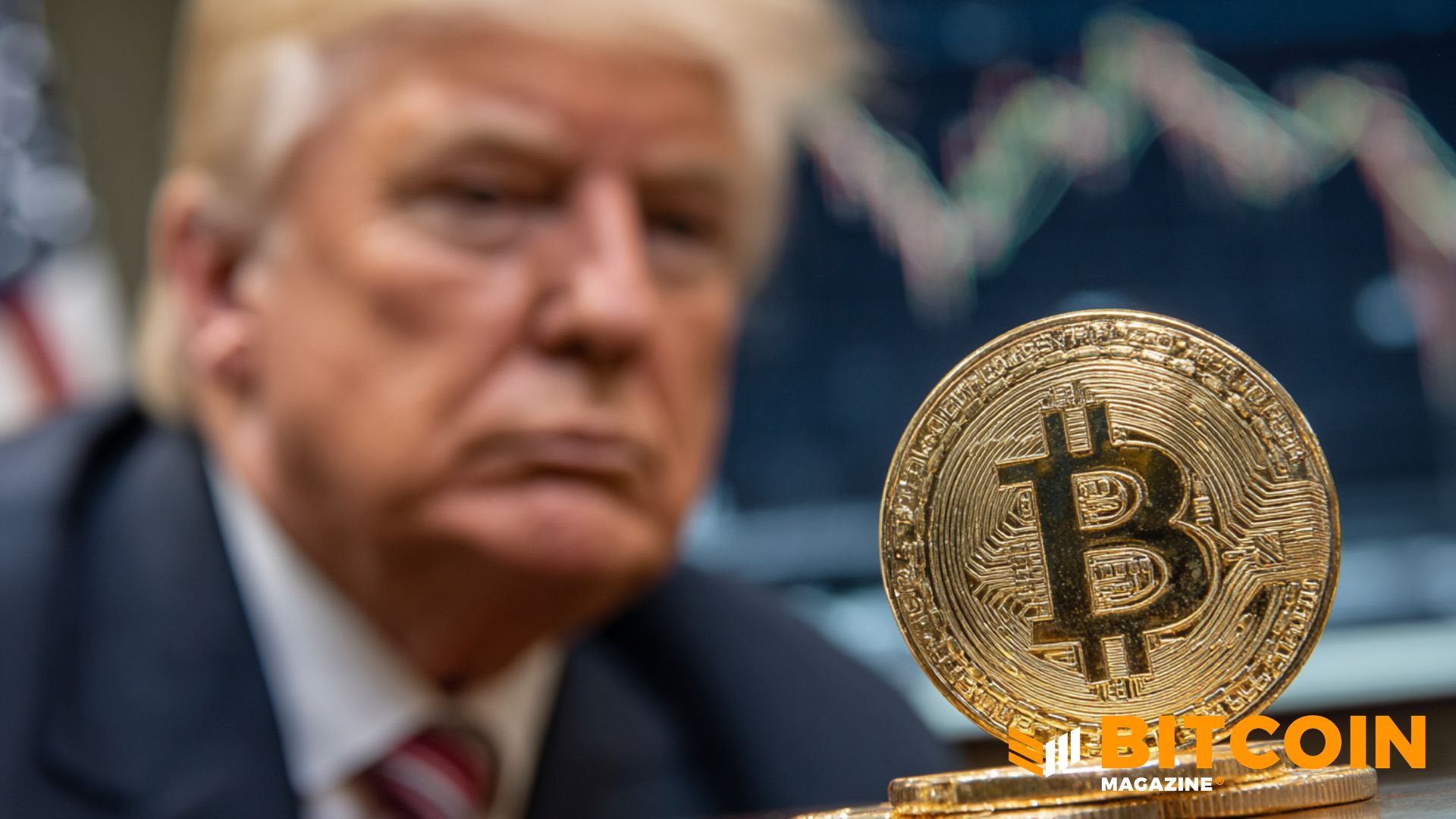
Bitcoin's price dropped significantly after President Trump's remarks on Iran, highlighting its increased correlation wi...
Global Flashpoint: Trump's Iran Rhetoric Ignites International Fury, Spurs Coalition for Strait of Hormuz

A coalition of over 40 nations has formed to secure the Strait of Hormuz post-conflict, as the US-Israel-Iran war raises...
White House Shakeup: Trump Fires Loyal Ally Pam Bondi After Dramatic Showdown

red herring
You may also like...
Lakers' Season in Jeopardy: Doncic Out with Hamstring Injury!

Lakers star Luka Doncic is out for the rest of the regular season with a Grade 2 left hamstring strain, impacting his el...
Major Shake-Up: Main Street Sports Network Shutting Down, Affecting NBA and NHL!

Main Street Sports Group, operating as FanDuel Sports Network, is set to cease operations at the end of the NBA and NHL ...
Gotham's Call: Batman Part 2 Confirms 2026 Release, Serkis on Alfred's Return!

The superhero movie landscape continues to evolve, with Matt Reeves' "The Batman" setting a new standard for gritty stor...
Lord of the Rings Announces Major Recasting, Filming Update

"The Lord of the Rings: The Hunt for Gollum" is nearing production, with director Andy Serkis set to reprise his role as...
Morgan Wallen Teases New Music: Fans on Edge for Fresh Tracks

Morgan Wallen has announced he is in the early stages of creating new music, while still actively promoting his quadrupl...
Shocking Concert Cancellation: Zach Bryan Breaks Streak, Cancels Tulsa Show

Country singer-songwriter Zach Bryan canceled his Oklahoma concert on April 3 due to severe weather, marking his first-e...
Jaw-Dropping 'Matlock' Finale: Star Promises Unforgettable Answers!

Season 2 of 'Matlock' sees Olympia navigating corporate power plays at Jacobson Moore, forming crucial female alliances,...
EXCLUSIVE: Ranbir Kapoor's New Film Hailed as 'Lord of the Rings' Level Epic!

Ranbir Kapoor discusses his epic film "Ramayana" in a detailed interview, highlighting its "Lord of the Rings" scale and...