Gig Economy in Nigeria: Opportunity or Exploitation?
As millions of Nigerian graduates face a shrinking job market, many turn to digital platforms for survival. But is the gig economy empowering youth—or deepening their exploitation?
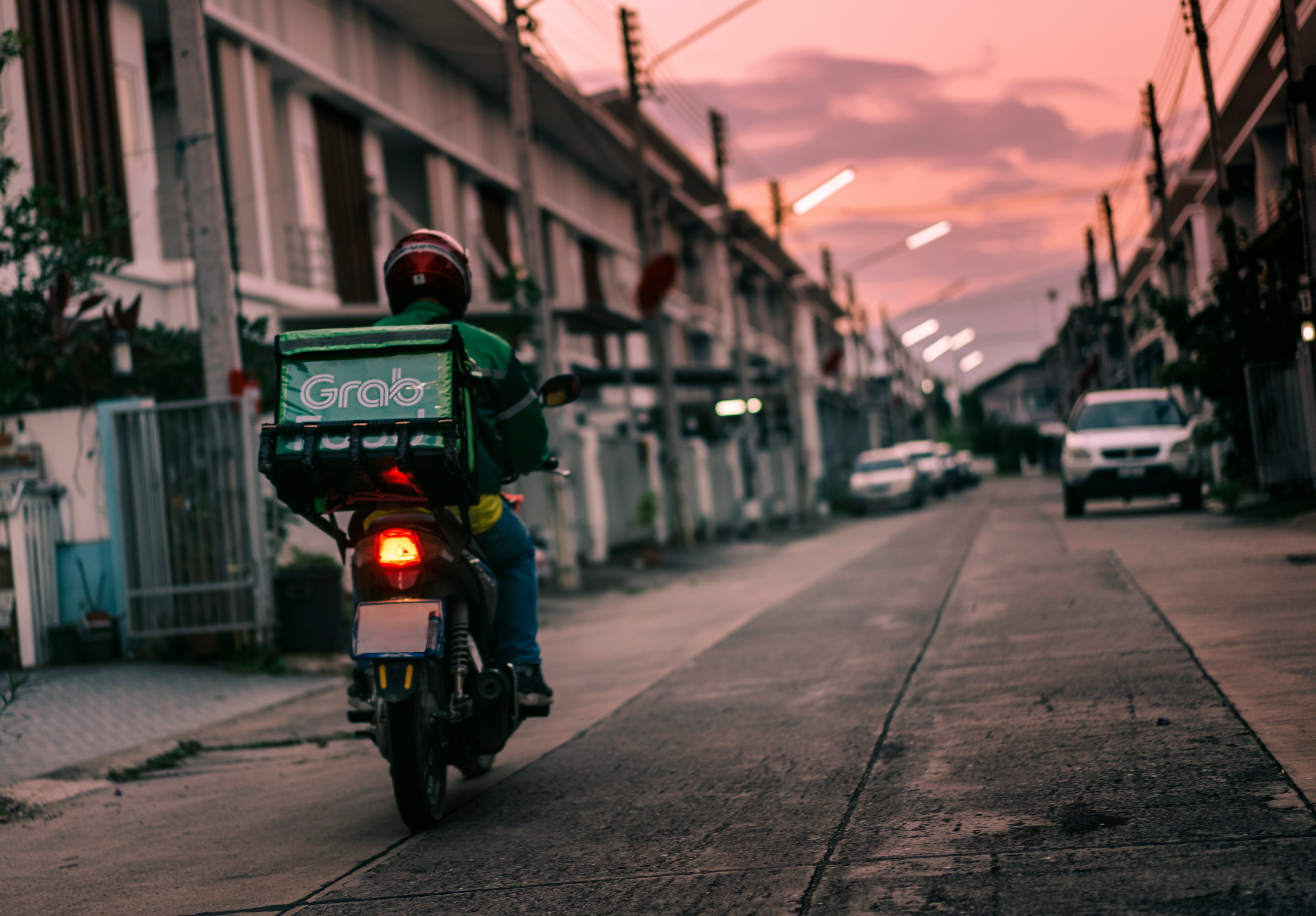
With millions of university graduates entering a labor market that produces too few jobs, the search for income has gone digital. Imagine a rainy morning in Abuja, James juggles two deliveries on his bike, weaving through traffic with an app directing his route and pace. Meanwhile, across town, Chioma, a backend developer, sips zobo while debugging a feature for a fintech startup in Berlin. Two very different Nigerians, one shared reality: both are products of a new economic order where flexible, task-based work is rapidly replacing traditional employment.
Welcome to the gig economy in Nigeria — a landscape as wide-ranging as it is unpredictable.Once considered the side hustle economy, gig work has grown into something much larger and more essential in Nigeria. It encompasses everyone from the dispatch rider earning by the delivery, to the software engineer paid per project, from the freelance digital marketer designing campaigns to the Uber driver checking surge pricing in real time.
As formal jobs dry up and the cost of living rises, Nigerians are turning to this decentralized labor market out of both necessity and opportunity. Unlike salaried roles, gig work is defined by its flexibility — and as we will learn in this article, its price can be mental instability.
The Infrastructure Behind the Boom: Why Gig Work Took Off in the 2010s
To understand the roots of Nigeria’s modern gig economy, it's important to look beyond unemployment and ingenuity and trace the infrastructural revolution that made this shift possible. Gig work in Nigeria, particularly in its digital and platform-based form, did not emerge in a vacuum. It was made possible — and then inevitable — by the transformation in how Nigerians accessed the internet, mobile devices, and digital tools starting in the 2010s.
The earliest seeds of internet access in Nigeria were sown in the 1990s, but they bore fruit only in elite spaces: universities, government buildings, and a few corporate offices. For the average Nigerian, the internet was a luxury. This began to change in 2001 with the liberalization of the telecommunications sector and the launch of GSM mobile services. Subscriber numbers exploded from half a million in 2001 to over 20 million by 2005, laying the groundwork for what would become one of the largest mobile markets in the world.
By 2010, the pieces began to fall into place. Affordable smartphones — especially Android devices — became widely available. Mobile internet, powered first by 3G and later by 4G networks, spread rapidly. People no longer needed a desktop or dedicated modem to get online; they could now work, write, design, code, and upload portfolios from their phones or cybercafés. Laptops became more accessible as well, and digital literacy — particularly among young Nigerians — surged.
This period marked the beginning of widely accessible digital gig work. Platforms like Upwork, Fiverr, and Freelancer began attracting young Nigerians who were now able to complete client projects from their homes or local internet cafés. Parallel to this, ride-hailing and delivery services such as Uber, Bolt, and Jumia Food began operating in Nigerian cities, bringing offline gig work into the app economy.
But it was the COVID-19 pandemic in 2020 that triggered the sector’s most explosive growth. With global lockdowns, mass layoffs, and the closure of offices and marketplaces, many Nigerians were forced to seek income online — not as a side hustle, but as a primary livelihood. For the first time, even those previously hesitant began to learn how to use Zoom, Trello, Google Docs, Slack, and digital payment platforms. Employers also became more open to hiring remote workers, and global clients began sourcing from a broader, more cost-effective talent pool.
Social Insight
Navigate the Rhythms of African Communities
Bold Conversations. Real Impact. True Narratives.
By 2024, Nigeria had over 134 million mobile internet subscriptions — the largest in Africa. What started as a survival strategy for many Nigerians has now evolved into a robust, if fragmented, digital labor market. Whether they’re developing apps, managing social media accounts, transcribing audio, or delivering jollof rice across Lagos, millions of Nigerians now participate in a gig economy that simply didn’t exist in this form a decade and a half ago.
This timeline matters. It contextualizes the rise of freelance developers, virtual assistants, graphic designers, and ride-hailing drivers not as an overnight phenomenon, but as the logical outcome of technological democratization and hardship.
The Magic of Exchange Rates

Tech-based gig roles have exploded in popularity — and potential. Nigerian software engineers now contribute code to companies in Canada, the UK, and Germany. UI/UX designers are helping rebrand health apps in Southeast Asia. Data analysts in Lagos are running scripts for clients in Silicon Valley. What once required relocation or a work visa can now happen from a laptop and an internet connection — at least, when the power stays on.
For Nigeria’s growing class of “digital migrants,” gig work represents more than just a means of survival — it’s a gateway to economic mobility. Earning in dollars or euros while spending in naira gives these remote tech workers a distinct financial advantage over peers employed locally. A Nigerian software developer bringing in just $1,000 a month from international clients can often cover a full year’s rent with a single paycheck, invest in personal projects, or support extended family — a stark contrast enabled by an exchange rate hovering around ₦1,600 to the dollar.
Meanwhile, in the U.S., that same $1,000 might not cover half a month’s rent for a modest studio apartment.
This currency imbalance, while highlighting the inequities of global pricing, also explains why remote gigs have become a lifeline for skilled Nigerians — one that offers not just flexibility, but real financial leverage.
To put things in perspective though, ₦1,000 — less than a single U.S. dollar — barely buys a medium-sized Hollandia yoghurt or four eggs in many Nigerian stores.
Following the money
Prosperity in the gig economy remains unevenly distributed. Most ride-hailing drivers working with platforms like Bolt or Uber average around ₦300,000 per month, bolstered by weekly bonuses for completing a set number of trips.All this is dependent on knowing the best fuel efficient and road rugged cars for driving, because in Nigeria, fuel prices and potholes can sabotage this type of gig.
Let us not forget, that quite often, Bolt or Uber drivers are working for the person who actually owns the vehicle. Therefore, even after commissions to Bolt and Uber, the entire proceeds of driving, are not theirs.
Surprisingly, couriers and dispatch riders can earn up to ₦30,000 daily, though this varies wildly based on demand, fuel prices, and platform fees.
Social Insight
Navigate the Rhythms of African Communities
Bold Conversations. Real Impact. True Narratives.
A freelance designer or virtual assistant working remotely for a U.S. or European company can earn $15 to $50 an hour, or up to athousand dollars per month on the right contracts.
For software developers, those who manage to land direct international gigs on platforms like Toptal or via referrals can earn between $35 to $50 per hour — translating to $2,000 to $4,000 a month or more.
Customer service representatives for local platforms average about ₦150,000 a month.On the home scene, graphic designers and virtual assistants typically earn between ₦200,000 and ₦300,000 per month — decent by national standards, but far below what their counterparts make directly serving international clients.
Of course, that brings us to our next problem: middlemen.
The Middle Men: Masters of Manipulation
But those recruited by middlemen often earn the equivalent of a local salary — while the intermediary can pocket up to 70% of the real contract value. For all their technical skill and global relevance, these workers at the mercy of middlemen are locked into outdated pay scales by opaque arrangements that prioritize brokerage over fairness.
This middleman problem cuts across gig sectors. From tech to delivery, intermediaries insert themselves into the payment stream, obscuring contract terms, controlling communication, and pocketing commissions.
In theory, middlemen offer convenience and access to clients. In practice, many function more like gatekeepers and rent-seekers, siphoning value from workers who already bear the brunt of Nigeria’s economic fragility. Some middlemen even go as far as bidding for contracts with their own portfolio, then outsourcing the work to others, for a fraction of the actual pay.
Mental Health Effects of Gig Culture
Gig economy is not all rainbows and sunshine. The psychological toll of gig work is an often-overlooked consequence of its flexibility. For many Nigerian gig workers, especially those without consistent contracts or international clients, the anxiety of unpredictable income can be crippling. Each month brings a new hustle, and the absence of a guaranteed paycheck means that basic needs — from rent to food — often hang in the balance.
This constant financial uncertainty can spiral into chronic stress and depression, especially when combined with the lack of work-related benefits such as health insurance, vacation, bonuses, paid leave, or pensions.
Gig workers are also uniquely vulnerable to client temperament; a single bad review, delayed payment, or cancelled project can erase days or weeks of labor. With no HR department or legal protections to appeal to, freelancers are left to manage their careers — and emotional well-being — alone.
Over time, this blend of precarity and isolation can erode mental health, turning what seems like freedom into a quiet, unrelenting pressure to survive.
The Road Ahead
Still, freelancers are adapting. Many are forming collectives or small agencies to bypass intermediaries and deal directly with international clients. Online communities provide guidance on pricing, contract negotiation, and tax planning. Freelancers are also turning to payment platforms like Deel, Payoneer, and crypto-based wallets to get around Nigeria’s PayPal restrictions and receive foreign payments with fewer losses to fees and conversion rates.
Social Insight
Navigate the Rhythms of African Communities
Bold Conversations. Real Impact. True Narratives.
Yet structural issues persist. With no formal labor protections, most gig workers remain exposed to payment delays, wage theft, burnout, and health risks. There’s little in the way of government support, and even fewer efforts to regulate the sector or introduce social safety nets. The gig economy is thriving in spite of policy, not because of it.
And still, for many, it is the best — or only — option. Whether in front of a laptop writing JavaScript or on a motorbike with an insulated food box, Nigerian gig workers are pushing the boundaries of what work looks like in the 21st century. Their economy is flexible, global, fast-moving — and wildly unregulated. It reflects both the resilience of Nigerian youth and the dysfunction of the systems meant to support them.