Ghana Unleashes Free Healthcare Revolution: Here's What You Need to Know!
Ghana's newly launched Free Primary Healthcare Programme aims to revolutionize the nation's health sector by providing comprehensive, preventive, and early intervention services across communities. This ambitious initiative seeks to reduce the burden of Out-Of-Pocket health spending, enhance financial protection, and achieve universal health coverage by 2028, though its long-term success hinges on robust financing, workforce investment, effective referral systems, and transparency.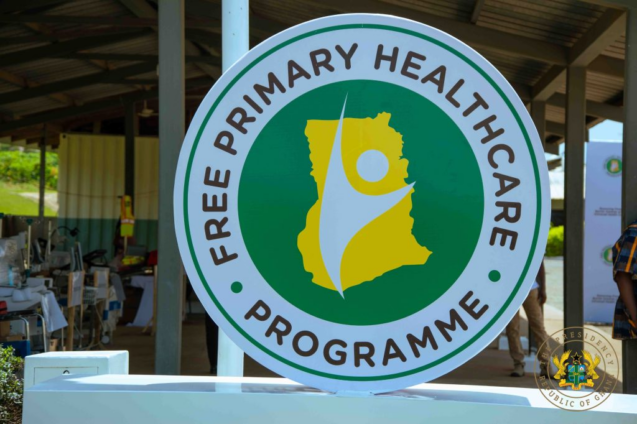
Ghana has embarked on a transformative journey towards universal health coverage with the launch of its Free Primary Healthcare Programme. Officially inaugurated by President John Mahama on Wednesday, April 15, at the Shai Osudoku District Hospital in Dodowa, Greater Accra, this initiative is designed to deliver a comprehensive suite of essential health services, emphasizing preventive care and early intervention across all communities, with a particular focus on expanding access in underserved regions.
The programme emerges as a crucial response to the significant burden of Out-Of-Pocket (OOP) health spending, which has historically hindered financial security and universal health coverage in Ghana and many other low and lower-middle-income countries. According to the WHO's Global Health Expenditure Report (2024), OOP remained the primary financing scheme in 30 such nations in 2022. In Sub-Saharan Africa, OOP expenditure constituted approximately 30.36% of health spending in 2023, with Ghana's figure close to the SSA average of 26.68%. The Free Primary Healthcare (FPHC) policy has been widely acclaimed by the public and stakeholders as a landmark step towards reducing these financial barriers and ensuring that all citizens receive preventive, promotive, and early curative healthcare services, aiming for nationwide coverage by 2028.
At its core, the FPHC offers a robust package of services tailored to address diverse health needs at the community level. This includes fundamental health screenings such as checks for blood pressure, blood sugar, Body Mass Index (BMI), and non-communicable disease risks, many of which will be conveniently delivered at citizens' doorsteps. Cancer care is a significant focus, encompassing breast cancer screening, prostate cancer referrals, and extensive cervical cancer awareness campaigns to promote early detection and treatment.
Mental health services are seamlessly integrated, providing essential screening and counselling to tackle rising concerns regarding psychological well-being. For the younger population, the programme provides general health checks for children and adolescents covering vision, dental, and skin conditions, alongside school health screening for those aged between four and 18 years. Newborn care is equally prioritized with screening, sickle cell referrals, and developmental assessments to identify potential health challenges early on.
Maternal health is a cornerstone of the initiative, featuring comprehensive antenatal and postnatal care, vital pregnancy nutrition support, and crucial birth preparedness guidance. Furthermore, family planning services are being expanded, offering education and access to a range of contraceptive methods, including implants, intrauterine contraceptive devices (IUCDs), and injectables. The programme also provides critical nutrition and immunisation support through breastfeeding guidance, child feeding practices, and robust vaccination promotion efforts.
Disease prevention remains central, with extensive screening and counselling for prevalent conditions such as HIV, tuberculosis, malaria, and hepatitis. Beyond clinical services, the initiative actively promotes healthy lifestyle practices, encouraging regular exercise, balanced nutrition, good sleep hygiene, and the reduction of harmful alcohol and tobacco consumption. Environmental health is also addressed through education on sanitation, safe water, personal hygiene, and effective waste management. Additionally, menstrual hygiene services are included, offering counselling, diagnosis, and treatment for common menstrual disorders like painful periods and heavy bleeding.
Expected to cost GH¢1.2 billion annually, the Free Primary Healthcare Programme will initially roll out in 150 districts. This phase involves the distribution of necessary medical equipment, the deployment of trained volunteers, and the establishment of over 350 service delivery points in high-traffic areas. This strategic implementation is designed to complement existing healthcare systems while fundamentally shifting the focus towards prevention and community-based care, thereby forming a vital component of Ghana’s strategy for achieving universal health coverage.
For the average Ghanaian, this policy translates into tangible benefits: significantly increased financial protection in health, leading to broader socio-economic advantages; improved population well-being culminating in longer life expectancy; reduced barriers to accessing basic healthcare services; a decrease in the overall disease burden through early detection and screening; an invaluable avenue for collecting health data to advance scientific research; and enhanced workplace productivity due to fewer extended hospital stays associated with disease complications.
The long-term success of this ambitious policy, however, is critically contingent on its sustainability. Several key considerations must be addressed. First, strengthening and securing more reliable financing sources for the health system is paramount. While the policy necessitates a substantial increase in government health expenditure, expanding spending without a corresponding rise in financial inflows risks compromising the system's financial viability. Mobilizing private sector capital, beyond grants or heavy tax obligations, will be instrumental in promoting the policy's longevity and impact.
Second, sustained investment in the health workforce is indispensable. A resilient health system recognizes its workforce as the core pillar of healthcare delivery. This programme heavily relies on nurses and midwives at the primary level, supported by physicians through consultations and referrals. Therefore, strengthening the workforce requires decent remuneration, continuous training and re-training workshops for professional development, and regular stakeholder engagements.
Third, establishing effective referral systems is vital. Advanced care for patients must be well-structured within a coordinated national referral system to alleviate congestion at higher-level facilities. This also necessitates readily available and adequately supplied supporting infrastructure, including technology and medical devices, coupled with proper maintenance structures to ensure smooth healthcare service delivery.
Finally, transparency and accountability are non-negotiable. Robust monitoring, evaluation, and feedback mechanisms must be diligently implemented to ensure the efficient and uncompromised use of resources. The Free Primary Healthcare Programme possesses the potential to be a monumental game-changer for Ghana, but its ultimate success or failure will unequivocally depend on the meticulousness of its implementation and monitoring structures.