Ghana Shaken: Manhyia South MP Baffour Awuah's Arrest Sparks Political Firestorm and EOCO Controversy
Manhyia South MP Nana Agyei Baffour Awuah has been granted GH¢10 million bail after pleading not guilty to charges including financial loss and money laundering in an EOCO investigation. The case has sparked wide debate among legal experts and Parliament over due process, the conduct of the investigation, and the exercise of state power, while the MP maintains his innocence.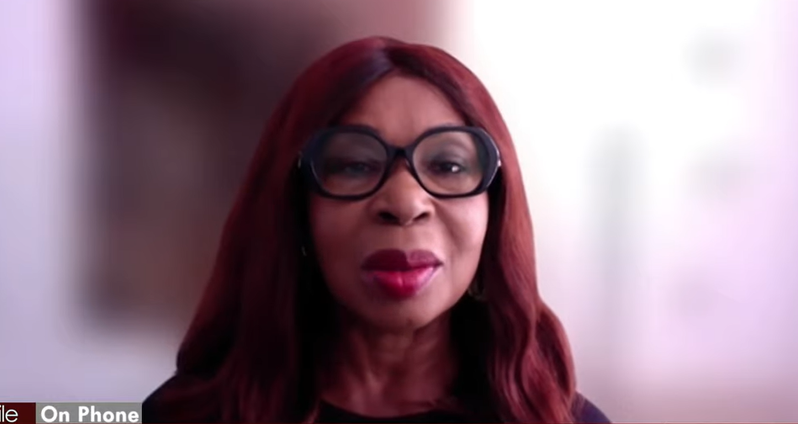
The Economic and Organised Crime Office's (EOCO) investigation into Manhyia South Member of Parliament Nana Agyei Baffour Awuah concerning alleged financial offences related to SIC Life Savings and Loans transactions has ignited a significant national debate in Ghana. The case, which has involved an attempted arrest, a High Court warrant, his voluntary surrender, and subsequent bail, has drawn strong opinions from legal experts, civil society, and Parliament, raising critical questions about due process, the exercise of state power, and parliamentary privileges.
The investigation centers on allegations of criminal conspiracy, financial loss to SIC Life Savings and Loans, money laundering, and tax-related offences. Key aspects include a controversial GH¢5 million settlement and an alleged GH¢1 million transfer to a former Managing Director of SIC Life in 2024. Mr. Baffour Awuah, also a Senior Partner at Sarkodie, Baffour Awuah and Partners, and his legal team have consistently rejected these allegations, maintaining that his involvement stemmed from legitimate legal services provided to recover a debt from Equity Savings and Loans, with an original debt of approximately GH¢3.5 million that had accrued to GH¢14 million with interest.
The controversy escalated with an attempted arrest of Mr. Baffour Awuah at the Accra High Court on September 23. EOCO claimed he had not honored earlier invitations issued in February. However, his lawyers disputed this, stating that a representative of his law firm had already engaged with investigators and provided requested information on multiple occasions in March and April. Following what EOCO described as exhausted reasonable means to secure his attendance, the Accra High Court issued an arrest warrant on September 30. Mr. Baffour Awuah subsequently reported voluntarily to EOCO on October 1, accompanied by his lawyer and parliamentary colleagues, and was placed under arrest.
On Saturday, October 3, Mr. Baffour Awuah was arraigned before a weekend court, specifically Specialised Court 2 at Commercial Court 5 of the High Court Complex in Accra. He pleaded not guilty to three charges: conspiracy to commit a crime and dissipation of public funds, intentionally causing financial loss to the state, and money laundering related to the alleged GH¢1 million transfer. Prosecutors, led by Deputy Attorney-General Justice Srem-Sai, presented the charges. The court granted Mr. Baffour Awuah GH¢10 million bail with two sureties, provided by the Members of Parliament for Bosome Freho and Effia, allowing the case to proceed through the court process.
The handling of the case has sparked extensive commentary across various platforms, notably on JoyNews’ Newsfile on October 3. International corporate lawyer Victoria Bright urged the public to allow evidence to guide discussions, separating the legitimate basis for an investigation from the lawful, proportionate, and fair exercise of investigative powers. She highlighted questions regarding the commercial defensibility and proper authorization of the GH¢5 million settlement, and called for scrutiny of documentation, including board resolutions and instructions given to lawyers. Ms. Bright also questioned the necessity of continued detention, arguing that the constitutional 48-hour rule should not be treated as an automatic entitlement, especially when a suspect has voluntarily reported.
Kofi Bentil, lawyer and Senior Vice-President of IMANI Ghana, described the arrest as a “political witch-hunt,” asserting that the action against the legislator was politically motivated and lacked clear charges. He maintained that the dispute appeared to be a civil matter between a lawyer and a client, not a criminal one, and criticized EOCO's priorities compared to other serious crimes like drug trafficking. Mr. Bentil strongly argued that Mr. Baffour Awuah, as a public figure who voluntarily submitted himself, qualified for self-recognisance bail, seeing no justification for his custody. Executive Director of the Media Foundation for West Africa, Sulemana Braimah, echoed concerns about the perception of a "power play," questioning why investigators didn't alert the MP earlier during his public appearances if he was wanted for questioning, and warned against actions that suggest a demonstration of state power rather than pursuit of justice.
Conversely, Theophelious Dzimegah Jnr, a legal practitioner and member of the NDC Communications Team, defended EOCO, stating the agency was performing its legally mandated duties and had not violated the MP’s human rights. He argued that Mr. Baffour Awuah's surrender, occurring after an arrest warrant was issued, could not be considered purely voluntary, and that the MP, given his leadership role in the implicated law firm, should have cooperated earlier. Former NPP National Chairman Freddie Blay found the case "bizarre," questioning the basis for detaining a professional lawyer over earned fees and criticizing EOCO’s focus when more serious organised crime issues persist.
Parliament itself expressed "grave concern" over the MP's continued detention after his voluntary surrender, emphasizing that while MPs are not above the law, constitutional rights and parliamentary independence must be protected. Speaker Alban Sumana Kingsford Bagbin highlighted safeguards for interactions between Members and state organs, intended to protect Parliament's independence, not shield MPs from accountability. Parliament questioned the necessity and proportionality of detaining a Member who had already achieved the purpose of securing his attendance through voluntary appearance. It called for greater clarity on procedures for arresting, detaining, or prosecuting sitting MPs and indicated a willingness to consider appropriate legislation to ensure due process and the rule of law coexist with effective parliamentary functioning.
The investigation into Nana Agyei Baffour Awuah remains ongoing, with his lawyer consistently rejecting allegations of wrongdoing. The case underscores broader issues in Ghana concerning the balance between state investigative powers, individual rights, political influence, and the proper functioning of democratic institutions.