Ghana's Golden Throne Shakes: Côte d’Ivoire Emerges as Major Rival
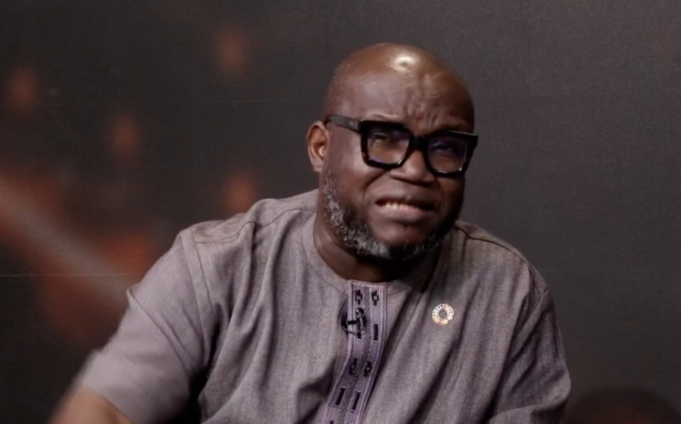
Ghana's longstanding position as a dominant gold producer in Africa is under severe threat, warned Ken Ashigbey, CEO of the Ghana Chamber of Mines. Speaking on Joy News' PM Express Business Edition, Ashigbey highlighted that the country's current mining tax structure and fiscal regime are increasingly deterring investors, who are now turning their attention to other West African nations offering more attractive conditions. This critical shift is intensifying regional competition, with Ghana's neighbors actively positioning themselves to capture a larger share of mining investments.
Mr. Ashigbey explained that Ghana's fiscal regime is already operating at the upper limit of the International Monetary Fund's (IMF) recommended range for sharing mining profits between governments and investors. He stated, "The upper limit is what we are hitting," indicating that the government's share of mining revenues could exceed 60%, a figure that becomes even more burdensome for firms when gold prices decline or they operate low-grade mines with high operating costs. He emphasized that for an investor comparing Ghana with countries like Côte d'Ivoire or Guinea, where the government's share is considerably less, the logical decision would be to redirect investments.
The CEO provided concrete evidence that this investment shift is not a future projection but an ongoing reality. He revealed that one mining company recently diverted funds earmarked for projects in Ghana to Côte d'Ivoire due to Ghana's "unfriendly fiscal regime," specifically citing the royalty rates. Ashigbey criticized the increase in royalty rates from a fixed 5% to a variable range of 5% to 12%, asserting that this change has significantly escalated production costs for mining firms, making Ghana less competitive. "What you have done is that you’ve added an additional cost to the production of these mining firms," he stated.
Historically, Ghana's stable democracy and investor incentives under Act 703 were significant draws for mining investors. However, Mr. Ashigbey cautioned that neighboring countries are rapidly adopting similar strategies and enhancing their competitiveness. He specifically pointed to Côte d'Ivoire's aggressive ambitions in the mining sector. Following a recent visit, he quoted Côte d'Ivoire's objective: "Their objective is that in the next 10 years they want to be the leading producer of gold in Africa." This directly implies a desire to surpass Ghana. He cited mining giant Endeavour as a prime example of a company that has already shifted its focus from Ghana to Côte d'Ivoire, where major gold discoveries were reported last year. Furthermore, he warned that Guinea is also emerging strongly in the mining space, stressing that geological advantages are not exclusive to Ghana. "The geology is not restricted to Ghana," he reiterated.
In light of these pressing challenges, Mr. Ashigbey urged the Ghanaian government to urgently reconsider and adjust its fiscal policies. He stressed the necessity of making Ghana more attractive to mining investors to avoid further loss of investments to competing destinations across West Africa and to safeguard the country's position in the global mining industry.
You may also like...
Media Mogul Byron Allen's Empire Expands: BuzzFeed, CBS, and Starz in His Sights

Byron Allen is making significant moves in the media landscape, acquiring a controlling stake in the struggling BuzzFeed...
The Hunt for 007 Begins: Game of Thrones Vet Nina Gold Tapped for James Bond Casting

Amazon MGM Studios has officially launched the search for the next James Bond, with renowned casting director Nina Gold ...
Sudan War Escalates: RSF Claims Drone Shot Down in South Darfur

Renewed drone attacks are ravaging Nyala and Mellit in Sudan, with the RSF claiming to have shot down a Turkish-made dro...
Ramaphosa's Bold Move: South Africa's Social Development Minister Fired Amid Disgrace

President Cyril Ramaphosa has dismissed Social Development Minister Sisisi Tolashe following allegations of undeclared l...
Jason Momoa Spills on the Future of His Gritty Apple TV War Drama!
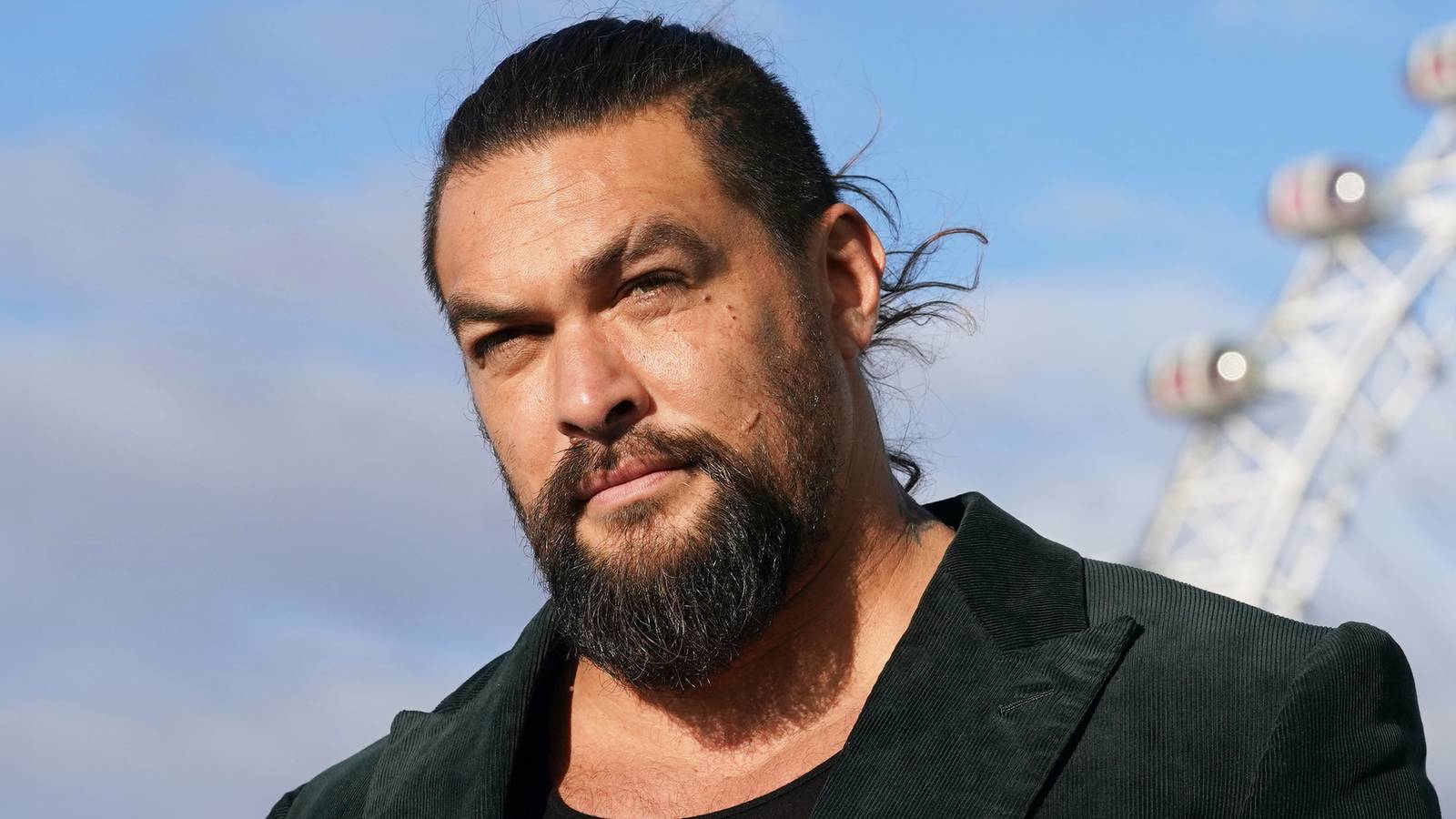
Jason Momoa returns with "On the Roam Season 2" on HBO Max, delving into the worlds of artistry, craftsmanship, and grou...
LL COOL J's 'NCIS' Spin-Off Teases Epic 'Los Angeles' Reunion!
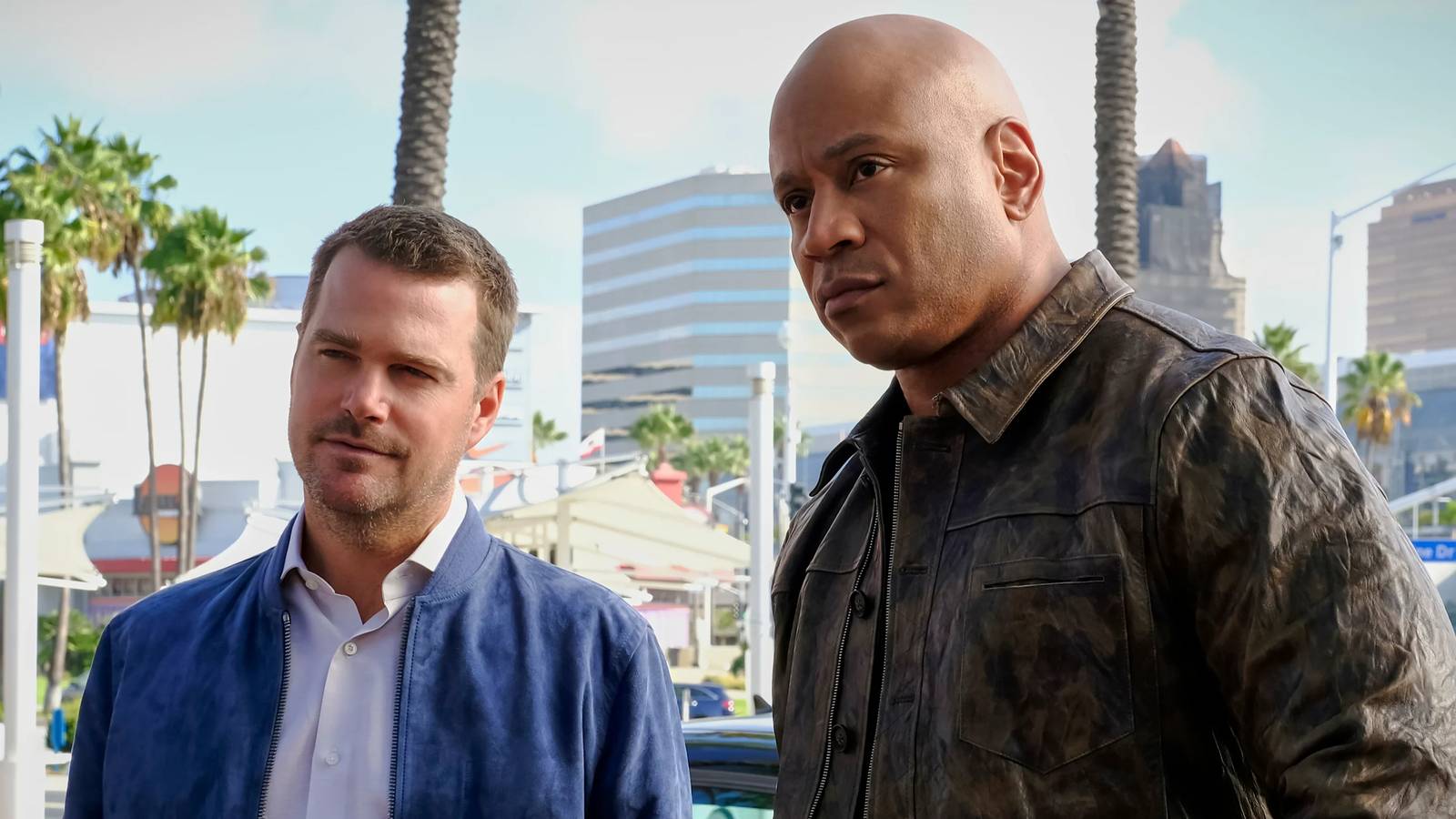
LL COOL J's Sam Hanna is set to lead the new spin-off NCIS: New York on CBS, joined by Scott Caan, with Chris O'Donnell ...
Lagos Fortifies Digital Frontier: Cybersecurity Hub to Safeguard 15 Million Citizens' Data
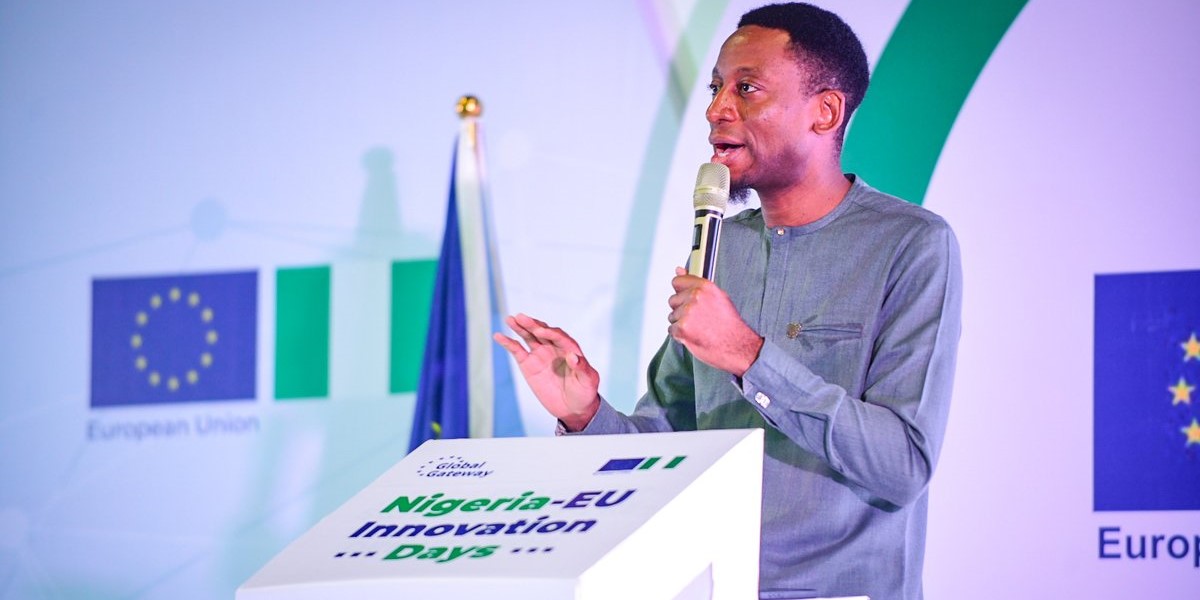
The Lagos State Government is establishing a Cybersecurity Operations Centre to protect its 15 million citizens' data an...
AI Didn't Breach Bitcoin: Unraveling the Viral Crypto Wallet Recovery Mystery
A recent viral story claimed Anthropic's Claude AI 'hacked' a Bitcoin wallet, causing panic about cryptographic security...