Geopolitical Tremors: Iran Crisis Poses Threat to Super Eagles' FIFA Window
Geopolitical tensions involving Iran threaten to derail the Nigerian Super Eagles' March international break plans, including a crucial four-nation tournament. While Iran remains FIFA-eligible, logistical challenges and club concerns could force organizers to alter or cancel the competition, impacting Nigeria's preparations for future tournaments.The Nigerian Super Eagles' eagerly anticipated plans for the March International break, which included participation in a four-nation tournament, are now hanging in the balance due to escalating geopolitical tensions involving Iran.
This international window was crucial for the three-time African Champions to refine their tactics, scout new talent, and establish an early foundation for their 2027 Africa Cup of Nations campaign.
However, events unfolding thousands of miles away are poised to dictate the feasibility of these preparations.
The tournament, designed as a compact yet competitive preparatory platform, scheduled Nigeria to open against Iran on March 27 at the 17,000-capacity Amman International Stadium.
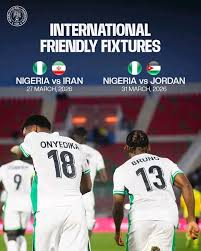
This particular fixture carries added significance as it would serve as a rematch of their goalless draw at the 2014 FIFA World Cup in Brazil.
On the same day, hosts Jordan were set to face Costa Rica at the 62,000-capacity King Abdullah Sports City Stadium. Four days later, the Super Eagles were slated to play Jordan, while Iran was scheduled to meet Costa Rica.
The primary threat to this arrangement stems from a severe geopolitical crisisengulfing Iran. Recent reports indicate that the United States of America and Israel have conducted coordinated strikes across multiple locations in Iran, including its capital, Tehran.
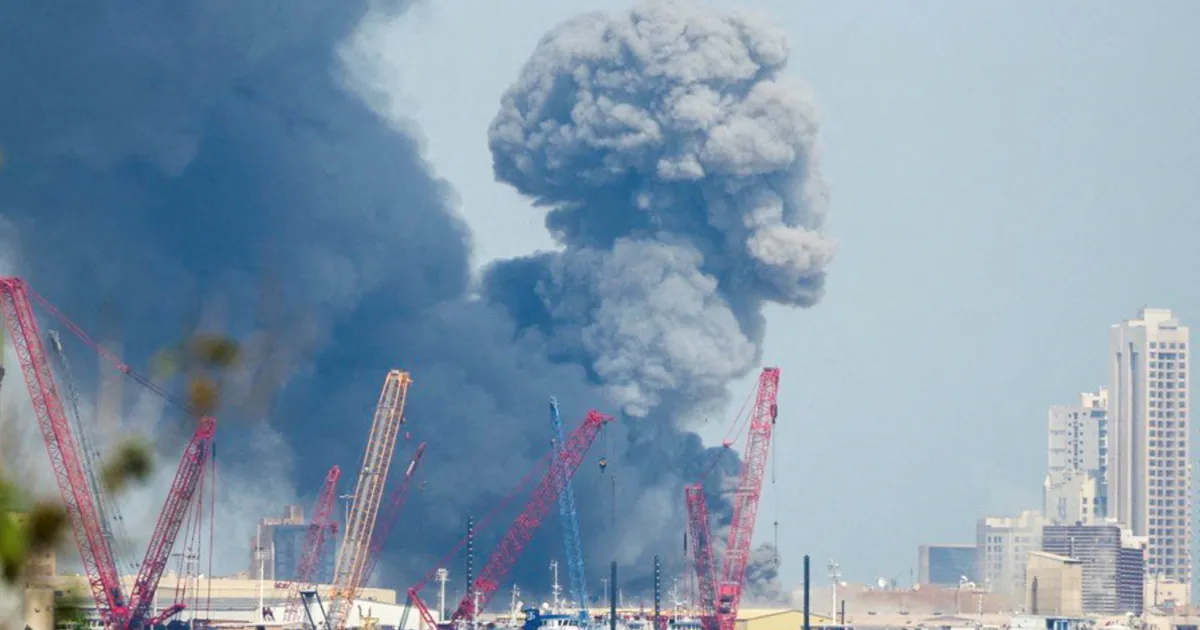
American officials characterized these operations as "massive and ongoing," with Israeli authorities confirming missile attacks on strategic targets.
Iranian state media has reported numerous explosions in Tehran, with visible smoke in several districts.
Disturbingly, reports also detailed a missile strike on a girls' elementary school in Minab, resulting in nearly 150 fatalities and dozens injured, marking one of the deadliest single incidents in the current escalation.
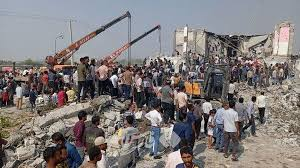
Furthermore, Iran media reported the death of Iran’s Supreme Leader, Ayatollah Khamenei during these strikes, a development that has sent profound shockwaves throughout the entire region.
Despite the severity of the crisis, the Iranian Football Federation has not yet faced any official suspension or sanction, and Iran technically remains eligible to compete in international tournaments under FIFA statutes.
Their World Cup qualification pathway also remains unaffected, positioning them among Asia’s top contenders for a spot at the 2026 global showpiece.
However, practical participation is a different matter. Armed conflict introduces a myriad of logistical hurdles, including potential airspace closures, travel restrictions, heightened security advisories, and delicate diplomatic tensions, all of which could severely impede Iran's ability to travel to Jordan for the tournament.
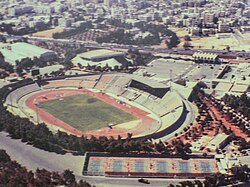
Even if the tournament venue itself remains secure, the prevailing perception of regional instability could significantly influence decision-making at various levels.
European clubs, which employ many of Nigeria’s key players, may express serious concerns about releasing their star athletes to a region experiencing military escalation.
While Jordan is not directly involved in the conflict, its geographical proximity to the unfolding events – just over 2,000km from Iran – could elevate risk assessments for these clubs.
Furthermore, issues of insurance and liability become paramount in such volatile conditions, potentially increasing security coordination costs or necessitating last-minute adjustments.
From a purely sporting standpoint, Iran represents the most formidable opponent in the planned competition, offering a crucial tactical examination for the Super Eagles and a chance to revisit their 2014 World Cup encounter.

Should Iran be forced to withdraw or become unable to travel, the tournament organizers would likely be compelled to seek a late replacement.
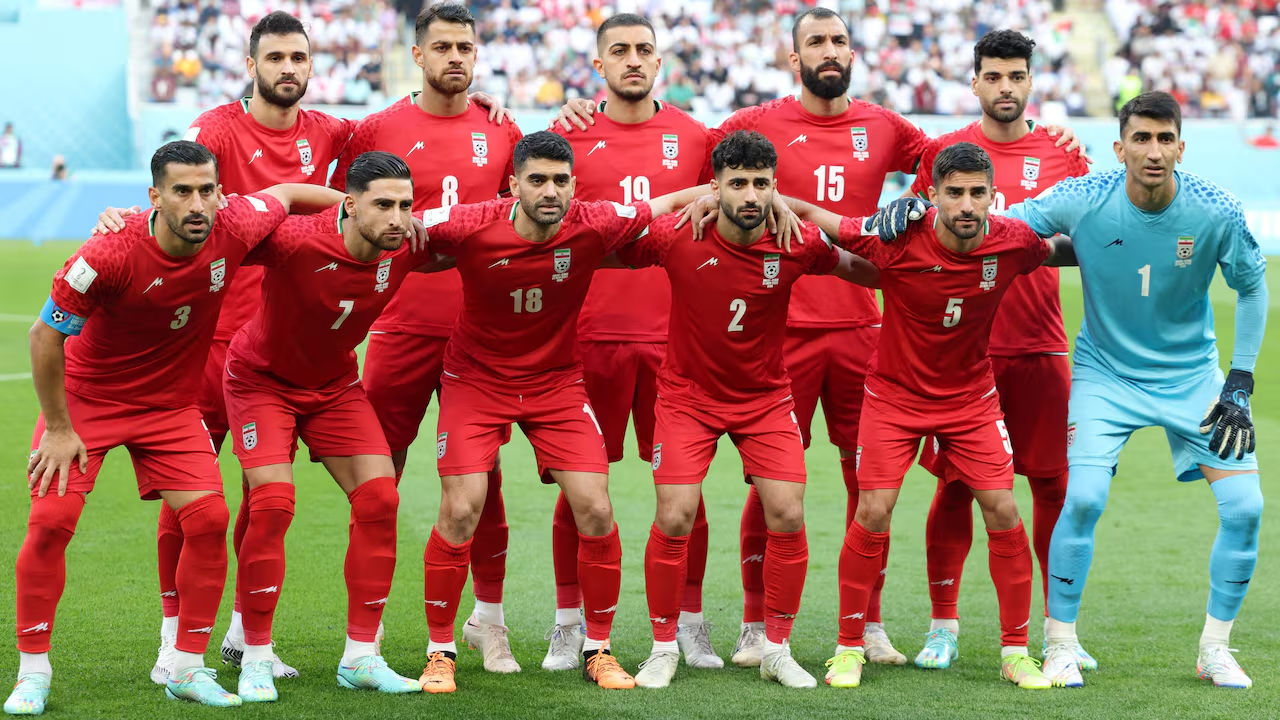
Such a change would inevitably diminish the competitive value of the platform, disrupt careful planning, or, in the worst-case scenario, lead to the outright cancellation of the entire competition.
Adding another layer of complexity for Nigeria, the NFF is currently navigating a pending complaint with FIFA concerning the eligibility of players fielded by Congo DR during a previous World Cup playoff encounter.
This unresolved administrative issue runs parallel to their efforts in preparing for the next competitive cycle.
For Coach Eric Chelle's squad, a tournament suspension or alteration would have significant repercussions.
It would compromise the opportunity to build rhythm, evaluate squad depth – particularly in transitional areas of the pitch – and allow fringe players to stake their claims.
Established names would also miss out on reinforcing tactical patterns and upholding dressing room ethics. Psychological factors are also at play, as players arriving from European leagues will undoubtedly be monitoring global headlines, and distraction or uncertainty could subtly affect their performance levels.
Conversely, the tournament could also be viewed as a powerful symbolic demonstration of football’s resilience, highlighting its capacity to continue even amidst global turbulence.
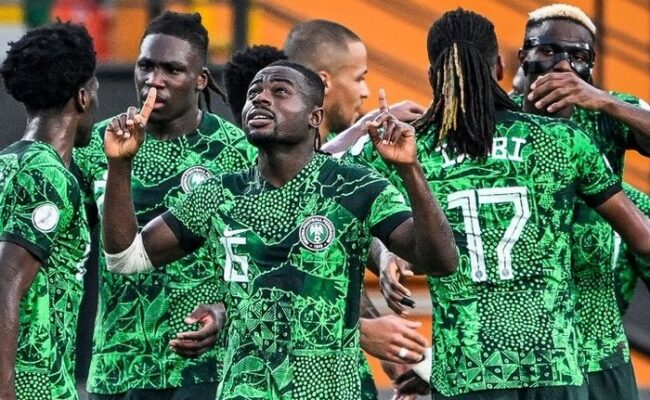
Ultimately, the fate of the Super Eagles’ March international window is highly dependent on how the crisis in Iran evolves over the coming weeks.
If military activity subsides and travel corridors remain open, the competition might proceed as planned.
However, if escalation persists, contingency plans will become an absolute necessity. For the time being, the Super Eagles’ March window officially remains intact, yet an undeniable undercurrent of uncertainty persists.