From Nigeria to Red Lobster: How Damola Adamolekun Took On One of America’s Biggest Seafood Chains
A Nigerian boy who arrived in America at nine would later walk into Wall Street, become a CEO at 31, and take charge of Red Lobster at its darkest moment. So, how did Damola Adamolekun get there?
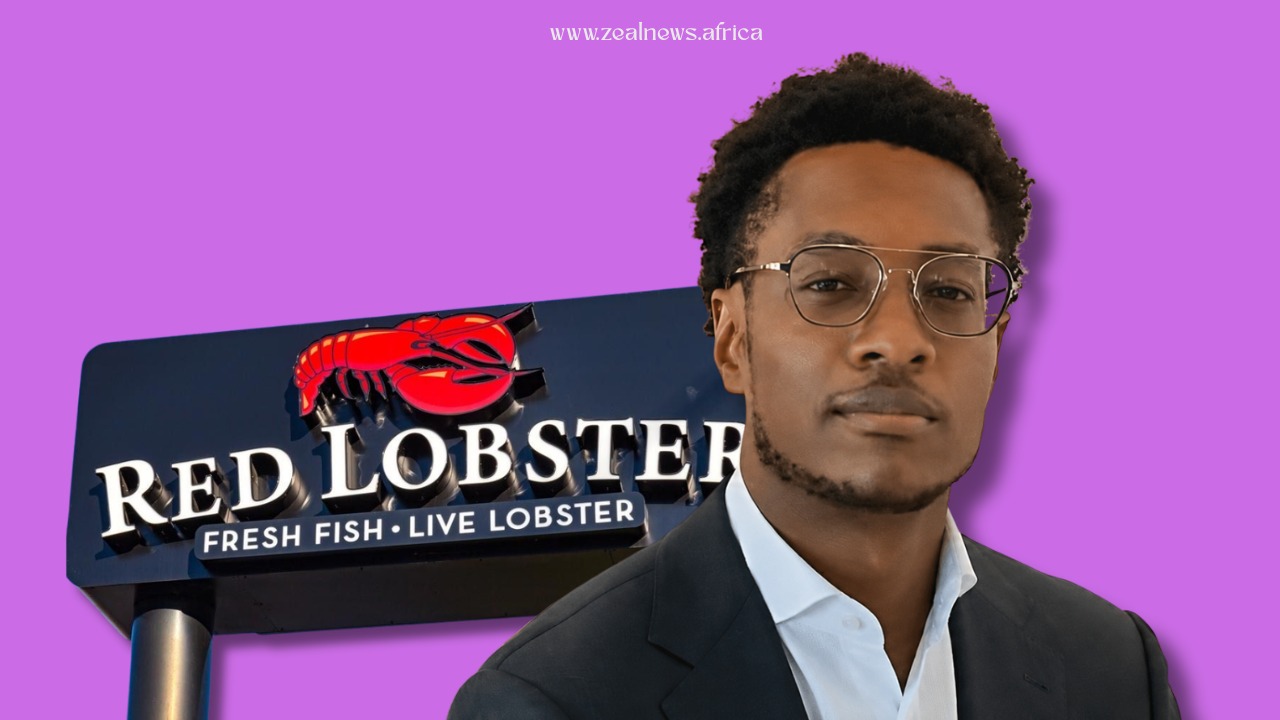
Damola Adamolekun’s story with Red Lobster did not begin in a boardroom. Long before he was asked to lead the seafood chain through the most dangerous period in its history, he knew restaurants from the other side of the table.
As a teenager in Maryland, Adamolekun worked as a server at Clyde’s, learning how quickly a pleasant evening could turn on a delayed meal, an unhappy customer or the way a waiter handled a difficult moment.
Years later, he would describe restaurant work as an education in reading people and managing tense situations.
It is a fitting beginning for the man now responsible for Red Lobster.
Adamolekun was born in Nigeria, spent parts of his childhood in Zimbabwe and the Netherlands, and moved to the United States at nine. By 19, he was interning at Goldman Sachs.
He would go on to Brown University, Harvard Business School, private equity and eventually the chief executive’s office at P.F. Chang’s.
Then, in 2024, Red Lobster called.
The company had filed for bankruptcy, closed scores of restaurants and damaged confidence in a brand that had spent more than half a century becoming synonymous with casual seafood dining. Adamolekun was 35 when he accepted the challenge.
For a Nigerian-born executive raised across continents, the assignment placed him at the centre of a restaurant institution with more than 500 locations around the world.
The Nigerian Boy Who Learned to Compete Before He Learned to Run Companies
Adamolekun’s route to corporate leadership was anything but conventional.
His father was a neurosurgeon and his mother a pharmacist. His childhood moved across Nigeria, Zimbabwe and the Netherlands before the family settled in the United States. At school, he found outlets in football, speech and debate, and later investing.
A teacher encouraged him to join the debate team. He became a state champion and won a competition carrying a $10,000 scholarship, an experience that deepened his interest in investing.
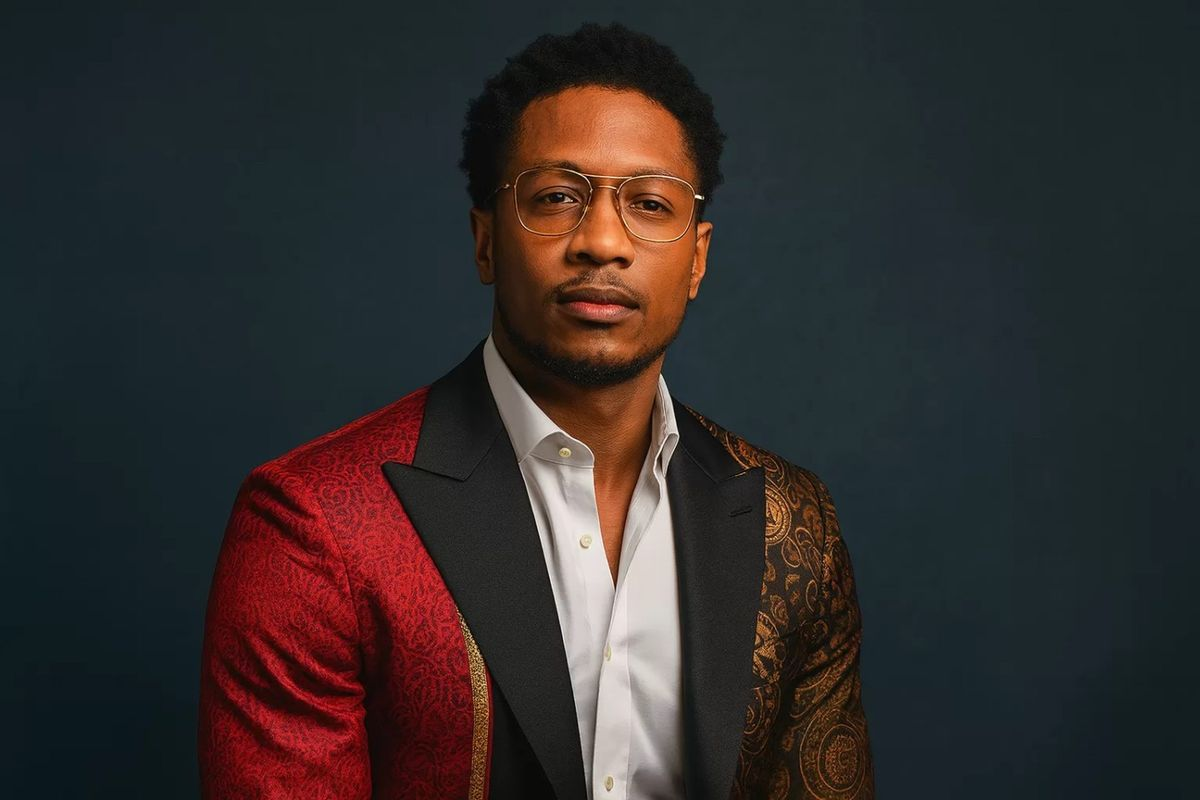
At Brown University, He studied economics and played football. Goldman Sachs came early: he interned there at 19 and later joined the investment bank full-time.
From Goldman he moved to private-equity firm TPG, completed an MBA at Harvard Business School and joined Paulson & Co.
Restaurants returned to his life through finance.
In 2019, Paulson & Co. and TriArtisan Capital Advisors acquired P.F. Chang’s. Adamolekun had worked on the investment from the Paulson side. Soon, he crossed the line from analysing a restaurant company to running one.
At 31, he became CEO.
The timing was unforgiving. The COVID-19 pandemic devastated the restaurant industry, forcing operators to rethink dining rooms, delivery, technology and costs almost overnight. P.F. Chang’s became Adamolekun’s first test of whether the skills learned in finance could survive outside a spreadsheet.
He later said the experience taught him that customers form deep emotional attachments to familiar brands. That lesson would matter even more at Red Lobster.
Red Lobster Was Already an Institution Before It Became His Problem

To understand what Adamolekun inherited, it helps to understand what Red Lobster had become.
The chain began with one restaurant in Lakeland, Florida, in 1968, built around a simple proposition: make seafood affordable and accessible to families, including people living far from the coast.
General Mills acquired the company in 1970 and expanded it rapidly. Red Lobster introduced Popcorn Shrimp in 1974, opened its first Canadian restaurant in 1983, launched Lobsterfest in 1984 and introduced the cheesy garlic biscuits that became Cheddar Bay Biscuits in 1992.
By the 1980s, Red Lobster described itself as the world’s largest seafood restaurant chain. Its footprint later expanded into international markets.
It also became influential beyond dining. Red Lobster was a founding member of the Global Aquaculture Alliance, now the Global Seafood Alliance, and helped develop the Best Aquaculture Practices certification for responsible farmed seafood.
Adamolekun therefore did not inherit an unknown company. He inherited a brand people already had memories and expectations about.
And he inherited it in crisis.
Red Lobster filed for Chapter 11 bankruptcy protection in May 2024 after years of financial and operational pressure. The decision to make Endless Shrimp a permanent promotion became the most famous explanation for its troubles, but the problems were more: expensive leases, falling traffic, inflation and management decisions had weakened the business.
More than 100 restaurants were closed during the restructuring.
When Adamolekun arrived, nostalgia alone could not save it.
The Biggest Test Is Not Reaching the Top but What He Does There
Adamolekun has spoken about wanting to produce what he calls the “greatest comeback” in restaurant-industry history.
His strategy has included simplifying the menu, improving service, investing in restaurants, rebuilding leadership and reconnecting Red Lobster with customers.
In 2026, the company said it was moving from stabilisation toward a disciplined growth phase.
The Nigerian child who arrived in America at nine once waited tables in Maryland. He later learned to analyse billion-dollar businesses on Wall Street, helped acquire P.F. Chang’s, became its CEO at 31 and guided it through a pandemic.
Now he leads a seafood company whose history stretches back to 1968 and whose restaurants have served generations of families.
Red Lobster’s past explains the size of the job, but its future will depend partly on what Adamolekun does with it.
For an African audience, that is the story worth watching: a Nigerian-born executive entrusted with deciding what one of the world’s most recognisable seafood restaurant brands becomes next.