FG Cracks Down: Universities Issued Stern Order to Expel Student Kidnappers
Nigeria's Education Minister, Dr. Maruf Tunji Alausa, has directed tertiary institutions to dismiss students involved in kidnapping and bolster campus security through intelligence gathering and collaboration with security agencies. This directive follows concerns over student safety and emphasizes a no-ransom policy, with TETFund set to support security infrastructure projects.
The Minister of Education, Dr. Maruf Tunji Alausa, has issued a stringent directive to Vice Chancellors, Rectors, and Provosts of higher institutions across Nigeria: any student found guilty of kidnapping or related criminal activities, following due investigation, must be dismissed.
This decisive instruction was communicated in a statement by the Minister’s Special Adviser on Media and Communications, Ikharo Attah, subsequent to a crucial meeting between Alausa and the Governing Council and Management of the Federal University of Lafia in Nasarawa State.
During the meeting, Minister Alausa underscored the critical need for enhanced campus security, urging heads of tertiary institutions to bolster internal intelligence gathering capabilities.
He emphasized the importance of close collaboration with the Department of State Services (DSS) and other security agencies to safeguard students both within and outside institutional premises.
Alausa remarked that while Nigerian universities, polytechnics, and colleges of education largely maintain safety, recent security incidents involving students beyond campus grounds highlight the necessity for stronger surveillance and intelligence networks.
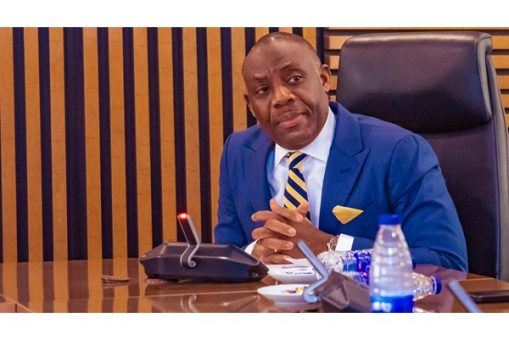
The Minister reiterated his firm stance against tolerating criminal behavior within academic environments. "If you tolerate bad behaviour for too long, it becomes a culture. Any student found culpable, after due investigation, of planning or participating in the kidnapping of fellow students has no place in our tertiary institutions.
Such individuals must be dismissed. Our campuses must never become safe havens for criminal elements," Alausa asserted.
He further revealed that a strategic meeting was recently held with the Minister of Defense, General Christopher Musa (rtd.), aimed at reinforcing the Safe Schools Initiative and elevating security standards for learners nationwide.
In alignment with President Bola Tinubu’s directives, Minister Alausa firmly stated the government's position against negotiating with kidnappers or paying ransom.
He warned that such actions only embolden criminal groups and undermine collective efforts to combat insecurity effectively across the nation.
This non-negotiation policy is crucial to deterring future criminal acts and ensuring long-term security.
As part of comprehensive measures to improve campus safety, Alausa announced that the Tertiary Education Trust Fund (TETFund)'s 2027 intervention programme is slated to support critical security enhancement projects.

These initiatives will include the provision of perimeter fencing and other essential security infrastructure for tertiary institutions.
Additionally, efforts are underway to expand the Energising Education Programme, focusing on increasing solar power generation and battery storage, which would indirectly contribute to safer, better-lit campus environments.
The Pro-Chancellor of the Federal University of Lafia, Lola Fibisola Akande, voiced significant concerns during the meeting, highlighting challenges such as inadequate student accommodation, unreliable electricity supply at the university’s second campus, and pressing security issues.
Akande disclosed suspicions that some students might have links to kidnapping activities occurring off-campus, firmly stating the university's opposition to paying ransom for abducted victims.
The Vice-Chancellor Prof. Mohammed Isa Kida commended the minister's education reforms and appealed for the extension of the Energising Education Programme to the university's second campus, emphasizing its potential benefits.