Explosive Cocaine Scandal Rocks Ghana: Political Firestorm Erupts Over Port Trafficking Allegations
The New Patriotic Party (NPP) is demanding a parliamentary inquiry into reported cocaine trafficking linked to Ghana, citing national security concerns and damage to the country's international image. NPP figures Henry Nana Boakye and Dennis Miracles Aboagye criticized the government's handling of the issue, highlighting recent major drug busts and the alleged impact on Ghanaian travelers and exporters.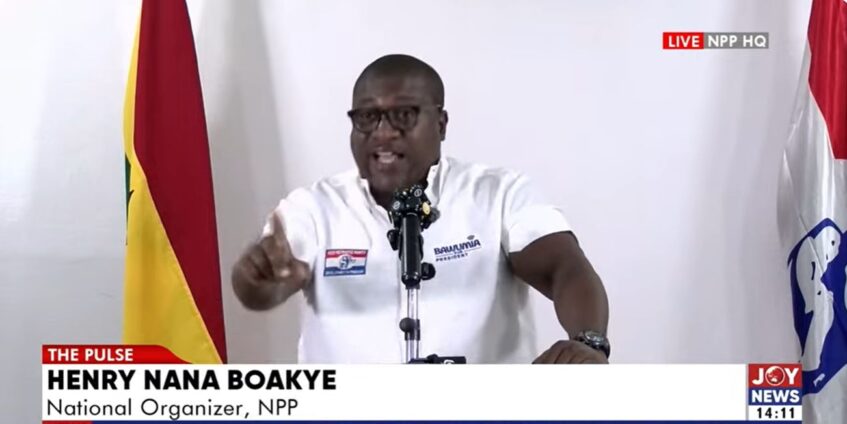
The New Patriotic Party (NPP) in Ghana has vehemently called for an immediate parliamentary inquiry into mounting concerns regarding cocaine trafficking linked to the country. Key figures within the party, including National Organiser Henry Nana Boakye (popularly known as Nana B) and Director of Communications aspirant Dennis Miracles Aboagye, have raised serious questions about the effectiveness of Ghana’s port and security systems and the potential damage to the nation’s international reputation.
Nana B directly criticized President John Dramani Mahama, starkly contrasting his promise of a “24-hour economy” with what he described as “24-hour cocaine trafficking.” He expressed grave concerns about the tangible consequences for ordinary Ghanaian citizens, claiming that travelers and exporters are increasingly subjected to heightened scrutiny, suspicion, and humiliation at international airports and points of entry due to Ghana's association with narcotics trafficking. This, he argued, creates a stigma that innocent Ghanaians did not create.
The NPP’s demand for a parliamentary inquiry emphasizes the need to establish facts surrounding reported narcotics interceptions and shipments allegedly connected to Ghana. Nana B specifically called for Parliament to scrutinize relevant documentation, including shipping documents, inspection records, and production records, to understand the circumstances that allow illicit drugs to pass through the country.
Adding to the gravity of the situation, Nana B alleged that clandestine laboratories are operating within Ghana’s main entry and exit points, processing illicit drugs for export under the current administration's watch. He claimed this intelligence was gathered during the NPP’s investigations into recent drug-related incidents, although he did not provide publicly verifiable evidence for this specific allegation.
Dennis Miracles Aboagye reinforced the severity of the issue, labeling it a national security concern that transcends political blame games. He highlighted an alarming pattern of major drug busts, stating that twelve significant consignments have been intercepted in the past 18 months under the current government. Aboagye questioned how such substantial quantities of cocaine, equivalent to approximately 80 bags of cement in a container, could pass through Ghanaian ports undetected, especially given that most major busts occurred outside the country after the drugs had already left Ghana’s ports.
The calls for inquiry and criticism come in the wake of several high-profile narcotics seizures. In September 2026, French authorities intercepted nearly 3.9 tonnes of suspected cocaine at the Port of Dunkirk, valued at an estimated €225 million, reportedly concealed in plastic waste shipped from Ghana. Prior to this, in August 2026, 866 parcels of suspected cocaine, valued at $6.9 million, were seized at a warehouse within the Tema Harbour enclave, allegedly hidden in sacks of gari. The Narcotics Control Commission announced arrests in connection with the Dunkirk consignment.
Both Nana B and Aboagye warned that if not addressed effectively, the increasing association of Ghana with international drug trafficking would continue to harm the nation’s standing and lead to prolonged delays and intensified inspections for Ghanaian passport holders at major international airports like Heathrow and Paris. The NPP demands concrete answers from the government, asserting that pointing to similar incidents under past administrations is an insufficient response to the current crisis.