Africa’s Lithium Rush Meets the Sahel’s Security Crisis — Who Will Control the New Wealth?
Lithium, a critical mineral for clean energy, is seeing its demand surge globally, making Africa's Sahel region a new focal point for supply. However, weak governance in the Sahel risks allowing armed groups to exploit lithium extraction, potentially fueling conflict rather than development. Effective oversight and strategic governance are crucial to ensure lithium contributes positively to the region's future.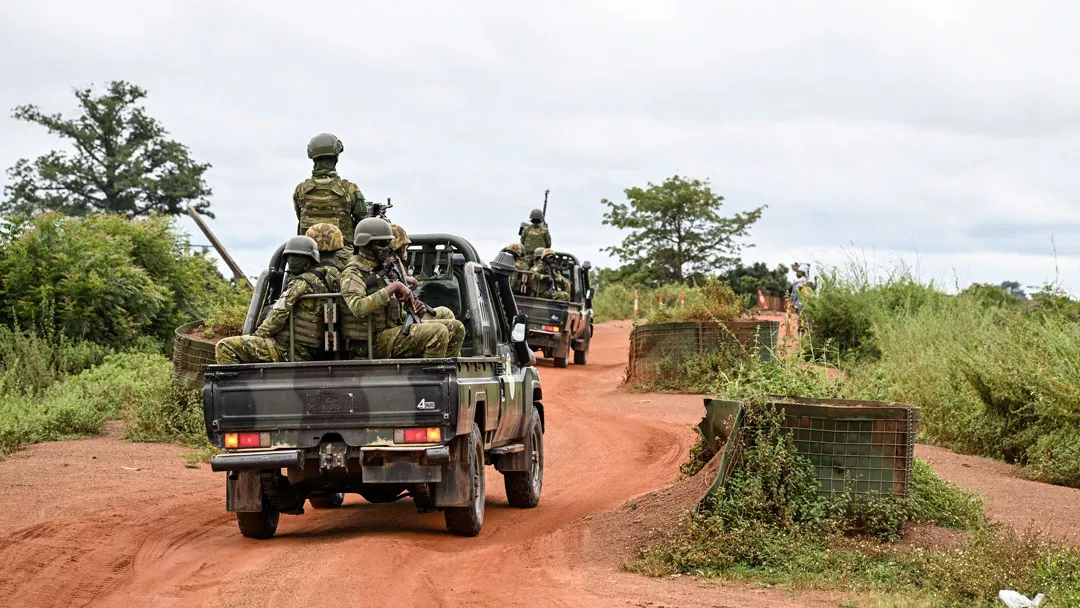
Africa's growing importance to the global lithium industry could bring investment, jobs and new export revenues to countries sitting on valuable deposits.
But in parts of the Sahel, there is another possibility: the mineral could become part of an illicit economy already exploited by armed groups.
Lithium has become one of the world's most strategically important minerals because of its role in rechargeable batteries used in electric vehicles, smartphones, laptops and energy-storage systems.
As demand rises, attention is increasingly turning to African deposits.
Mali already has a developing commercial lithium industry, while significant deposits and exploration projects have attracted interest in Nigeria and elsewhere across West Africa.
That opportunity is emerging alongside a much older problem.
Large parts of the Sahel are struggling with armed insurgencies, weak government control, porous borders and informal mining economies. In those conditions, valuable minerals can generate income not only for governments, companies and communities, but also for groups capable of controlling territory and trade routes.
New research by Bradley A. Mortin examines precisely that risk.
His study, Critical Minerals, Critical Risks: How Global Lithium Demand Reconfigures Security Dynamics in the Sahel, considers how expanding lithium extraction could interact with insecurity across countries including Mali, Burkina Faso, Niger, Chad and Nigeria. The research is recorded by the University of Oxford's research archive.
The concern is not necessarily that armed groups must operate lithium mines themselves.
They can make money from the economy surrounding a mineral.
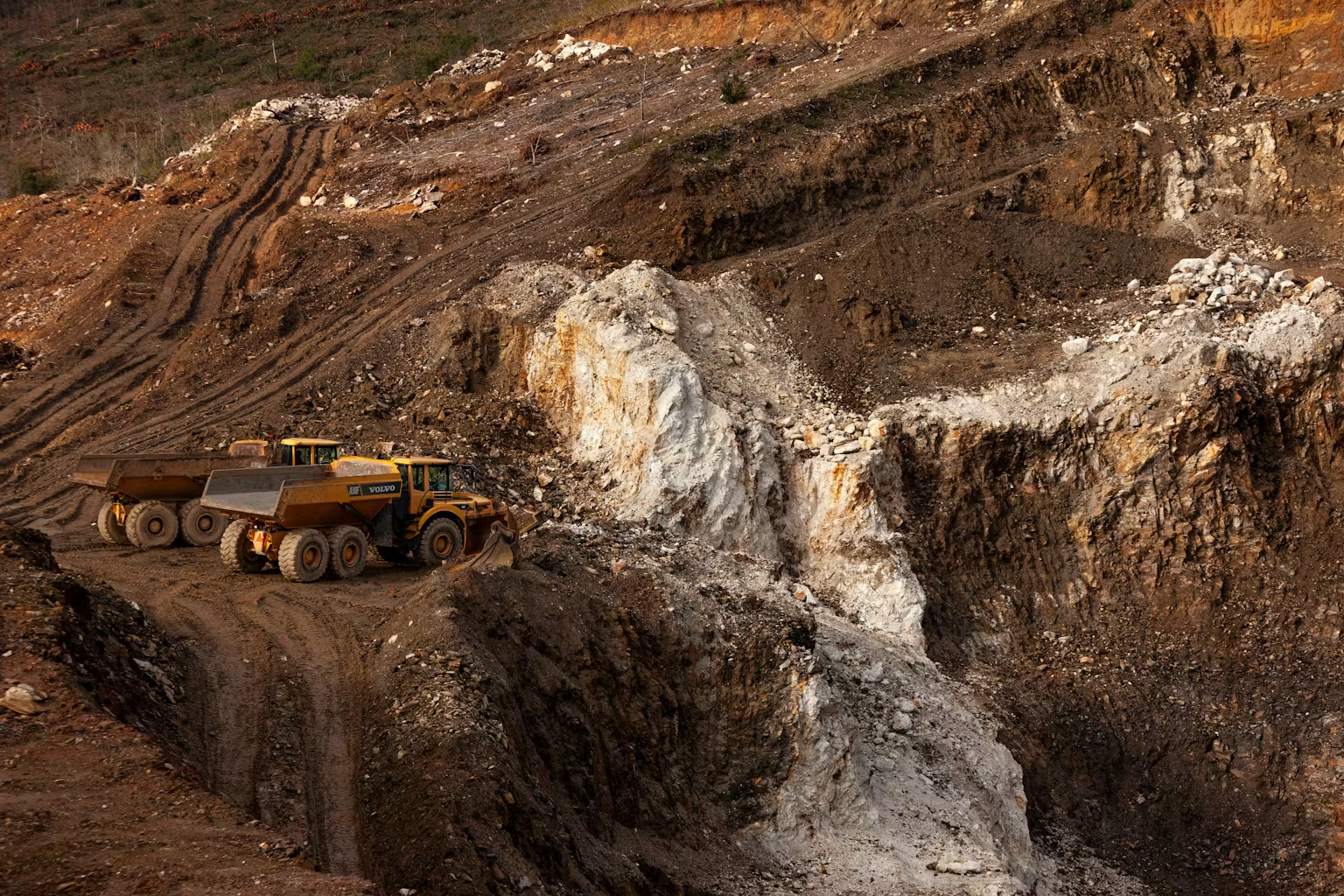
In poorly governed areas, armed organisations and criminal networks can impose informal taxes, demand payments from miners and traders, control transport routes or charge communities and businesses for protection.
That pattern is already visible around other minerals.
Recent ACLED research into mining and conflict in the central Sahel found that mining areas have increasingly become contested economic and strategic spaces in Mali, Burkina Faso and Niger.
Between 2015 and June 2026, JNIM and its predecessor organisations were involved in 42% of conflict events recorded by ACLED around mining areas. State forces from Mali, Burkina Faso and Niger appeared in a similar proportion, while Islamic State Sahel Province was involved in 27%.
The fighting is not simply about possession of the mines.
ACLED found competition surrounding mining areas, transport routes and the wider economic activity they generate, demonstrating how mineral extraction can become intertwined with existing conflicts.
That makes lithium particularly important.
If production expands faster than governments can regulate mines, traders and cross-border supply chains, a new commodity could simply enter illicit networks that already move gold and other valuable goods.

Mali faces an especially difficult balancing act. The country wants to turn its mineral deposits into investment and government revenue while simultaneously confronting an insurgency that has weakened state authority across significant parts of the country.
Burkina Faso and Niger face similar security pressures.
Nigeria presents a somewhat different picture. Its lithium opportunity is attracting growing commercial interest, but artisanal and informal mining, illegal extraction and weak oversight in some mining communities create vulnerabilities that organised criminal networks can exploit.
The distinction matters.
It would be premature to describe lithium as a major established source of terrorist financing across the Sahel. The stronger warning is that the conditions that allowed armed groups to profit from other mining economies are already present as lithium production expands.
And the wider security environment is deteriorating.
The Africa Center for Strategic Studies recorded nearly 9,826 deaths linked to militant Islamist groups in the Sahel during 2025, with Burkina Faso, Mali and Niger bearing the overwhelming share. The region accounted for 41% of militant Islamist-linked fatalities recorded across Africa.
For African governments, therefore, the lithium race is about more than attracting foreign mining companies.
Governments need to know who is extracting the mineral, who buys it, where it travels and who ultimately gets paid.
Bringing artisanal miners into regulated markets, improving traceability, strengthening border enforcement and increasing government presence around mining communities could make it harder for illicit networks to penetrate the industry.
There is also a larger economic question.
If African countries simply export raw lithium while processing, battery manufacturing and other higher-value activities take place elsewhere, the continent risks occupying the lowest-value end of another global commodity chain.
Domestic processing could capture more value, although building that industry requires reliable electricity, infrastructure, financing, technical expertise and regulatory stability.
The stakes extend beyond Africa.
The global transition towards electric vehicles and renewable-energy storage depends heavily on securing enormous quantities of critical minerals.
That creates an uncomfortable possibility: a mineral essential to the world's cleaner-energy future could generate new wealth in Africa while simultaneously feeding instability if its supply chains are poorly governed.
Lithium itself is not the problem.
The question is whether African governments can build institutions around the industry quickly enough to ensure the value beneath their soil strengthens communities and economies — rather than becoming another prize fought over by those with guns.