Environmental Crisis Deepens: Menhaden Scarcity Devastates NY Fishermen and Long Island Ospreys
The East Coast is experiencing a severe decline in osprey chick survival, largely attributed to the scarcity of Atlantic menhaden. This crisis, following an increase in industrial fishing quotas, has prompted conservationists and fishermen to call for immediate action from regulatory bodies.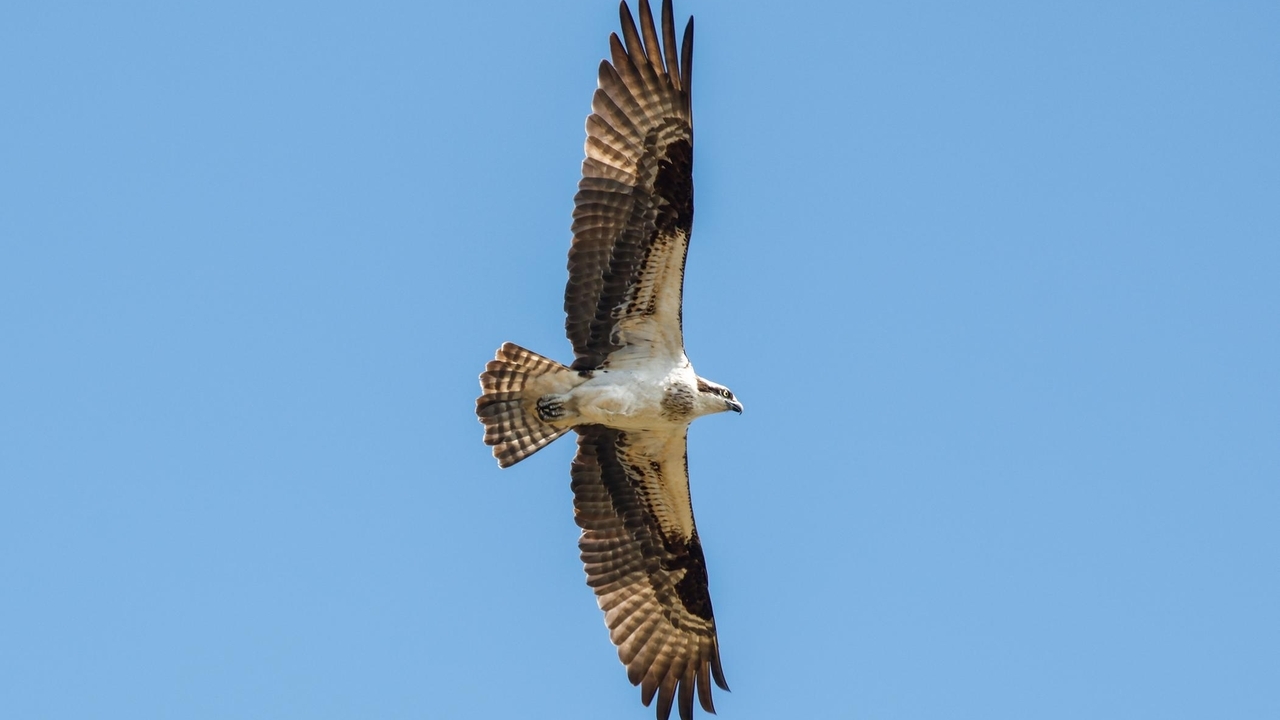
Ospreys along the East Coast are facing a severe breeding crisis, with conservationists and birders reporting a drastic decline in surviving chicks this summer. Don Riepe, a long-time manager at the Jamaica Bay Wildlife Refuge in Queens, observed that 20 out of 25 monitored osprey breeding pairs produced no surviving chicks, and the remaining five raised only one each. This alarming trend is attributed to widespread starvation among the young birds, which marine scientists link directly to significantly smaller schools of Atlantic menhaden, also known as bunker, a critical food source. The scarcity of menhaden follows a controversial increase in quotas for industrial fishing in recent years, prompting calls for reconsideration by the body that determines these limits.
The current predicament is particularly disheartening given the osprey's remarkable comeback after facing near extinction 60 years ago due to the pesticide DDT. Following the chemical's ban in the U.S. in 1972, a recovery, greatly influenced by Rachel Carson's "Silent Spring," saw ospreys, eagles, falcons, and hawks slowly rebound. Long Island, with its protected shallow bays, became an ideal habitat, and ospreys became a visible success story of the environmental movement. However, decades later, these birds of prey are once again at risk, with ecologists, birders, and boaters across the mid-Atlantic reporting significant drops in nestlings.
Specific observations underscore the severity of the crisis. The environmental organization Group for the East End reported that their 385 monitored osprey nests averaged just one chick each this year, a decline from 1.3 chicks per nest in 2022 and 1.7 in 2020. Photographer Joanna Steidle, who monitors nests on the East End, hasn't seen surviving chicks in the past three years in her regular watch areas. Chris Paparo, who manages the seawater lab at Stony Brook University, documented a breeding pair, Ral and Mary, whose three chicks hatched but later died. Paparo noted Ral was bringing freshwater fish to the nestlings, a clear sign of menhaden scarcity in their saltwater habitat, culminating in a poignant observation of Mary holding her dead chick. "It was a difficult thing to witness," he wrote.
Atlantic menhaden, or bunker, are oily fish up to 15 inches long that swim in massive, surface-level schools. While unpalatable to humans, they are fundamentally important to the marine food web. They form the bulk of an osprey's diet and are also a crucial food source for eagles, cormorants, terns, gulls, larger fish like striped bass and tuna, and marine mammals such as whales, dolphins, and sharks.
The management of menhaden populations has been a contentious issue. In 2012, responding to overfishing concerns, the Atlantic States Marine Fisheries Commission (ASMFC) first capped the total allowable weight of menhaden caught, leading to a quick recovery and a resurgence of whales and dolphins off Long Island. However, this limit was increased in 2023. Soon after, conservationists and sport fishermen observed smaller menhaden schools and smaller individual fish. Commercial fisherman Will Caldwell from Hampton Bays, having ridden the ups and downs of the menhaden fishery for a decade, plans to shut down his packing plant and sell equipment, citing