End of an Era: Optimus Prime Director Bids Emotional Farewell to Legendary Voice of Peter Cullen
Filmmaker Joshua Wassung discusses the making of "Optimus Prime: Awakening," a short film celebrating the 40th anniversary of "Transformers: The Movie." He details honoring the franchise's original animation, integrating Easter eggs for the future, and the profound experience of working with Peter Cullen in his final performance as Optimus Prime. The short thoughtfully blends nostalgia with fresh storytelling, exploring Optimus Prime's emotional depth.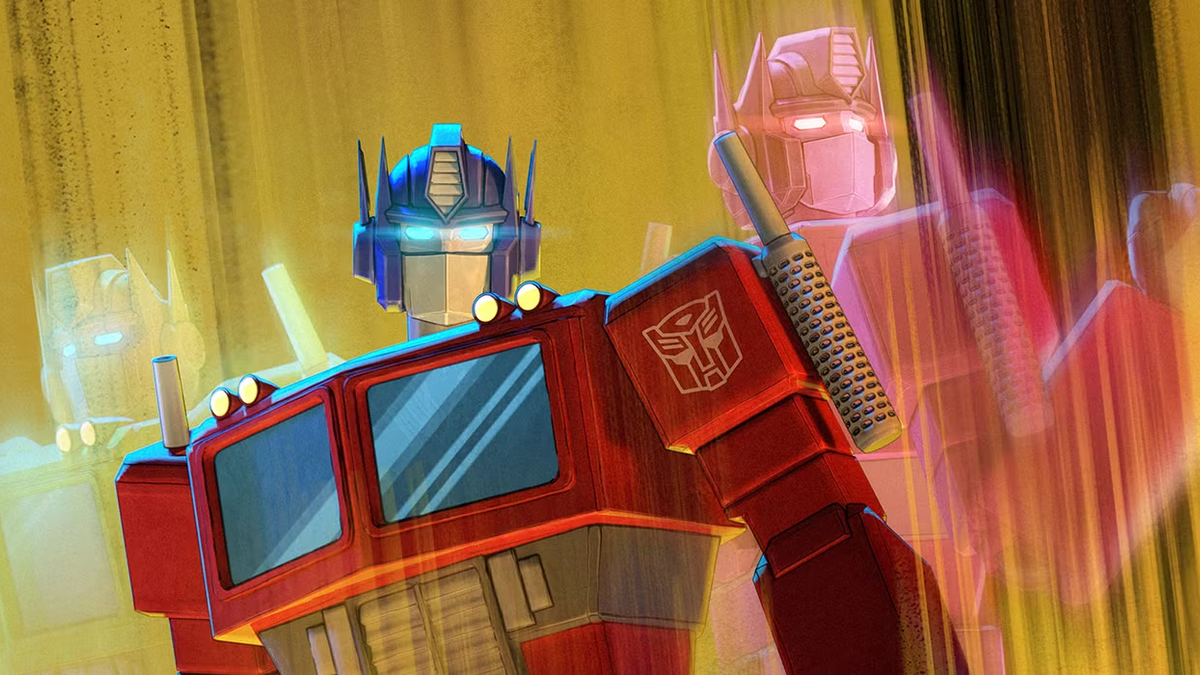
Collider, in partnership with Hasbro and Fathom Entertainment, celebrated the 40th anniversary of "Transformers: The Movie" by hosting an advanced screening of its re-release. This special event also included a sneak peek of the after-credits short film, "Optimus Prime: Awakening." Directed by filmmaker Joshua Wassung, the short became a focal point for discussion, especially regarding its creation and the honor of working with legendary voice actors Peter Cullen and Frank Welker.
Joshua Wassung's journey in filmmaking began with an early and significant role in "Star Wars: Episode III - Revenge of the Sith." Hired straight out of school, he worked in the pre-visualization department at Skywalker Ranch, a dream come true for the lifelong Star Wars fan who even skipped his graduation to join Lucasfilm. Following this foundational experience, Wassung co-directed "Predator: Killer of Killers" with Dan Trachtenberg, a project that subsequently opened the door to his "Autobot-sized opportunity" with Hasbro.
After the success of "Predator: Killer of Killers," Wassung's representatives introduced him to Hasbro executives Zev Foreman and Cyrus Warner, who were enthusiastic about a new Transformers project. Born in 1980, Wassung grew up with Transformers, considering them formative to his childhood and filmmaking aspirations. His enthusiasm was immediate, especially since the project, which Foreman considered his "baby," resonated deeply with his lifelong fandom; Grimlock, in particular, was his prized possession as a child.
The genesis of "Optimus Prime: Awakening" began with a "super cool" script written by Ryan Parrott. The primary challenge was the tight timeline, requiring Wassung and his studio to quickly pull together resources for animation to meet the anniversary deadline, with production starting in January. The core objective was to respect and honor the original Transformers style while seamlessly integrating modern elements to create a fresh yet familiar experience.
The animation style for "Optimus Prime: Awakening" was a deliberate homage to the original hand-drawn aesthetic. Wassung's team meticulously studied original art and matte paintings from both the pilot episode of the series and the 1986 movie. They zoomed in to analyze brushstrokes and colors, working with an art director and previs team to emulate the 2D hand-drawn feeling. This approach allowed them to dial up the vibrancy, resulting in a handcrafted look that felt both authentic and modern. The short was completed just weeks before its initial screening.
Directing the iconic Optimus-Megatron fight sequences was a highlight for Wassung. He approaches such scenes with a "three-act" structure, focusing on the characters' emotional states at the start, building "ticking clocks," and integrating characters like Bumblebee to heighten emotional stakes. The previs team elaborated on the specific gags, such as how Optimus would swing his flail or axe, carefully tracking the geography of the battle, making it a challenging but enjoyable process akin to "playing with toys, but on the computer."
A profound full-circle moment for Wassung was working with Peter Cullen and Frank Welker, the legendary voices of Optimus Prime and Megatron/Soundwave. Meeting Cullen, who was 85 at the time, was inspiring; he could instantly "turn on" the distinct Optimus Prime voice in the sound booth, sounding like a completely different person. Directing Cullen, who had played the character for 40 years, was initially intimidating. However, they quickly found a collaborative rhythm, with Wassung successfully guiding Cullen to push the emotional depth of Optimus Prime's concern and introspective thoughts about his life and the meaning of his ongoing battles.
The narrative of "Optimus Prime: Awakening" was intentionally crafted to be an "open-ended question." Hasbro and Wassung aimed to provide fans with ample opportunities to explore, encouraging repeat viewings to discover "nuggets" and "clues" that might pertain to the franchise's future. This approach balanced delivering a thrilling story with allowing the audience to imagine what comes next. One particular shot, featuring rapid transportation across space, was inspired by an episode of "Star Trek: Voyager" where the USS Voyager was thrown 11 light-years.
At its core, the short delves into Optimus Prime's character, exploring his introspection and the profound question of what his "whole ongoing battle" truly means, even questioning if it was all for nothing. Despite this, Optimus digs deep, reaffirming his unwavering commitment to his friends, family, and the greater good. The film meticulously balances honoring the 1986 film's legacy with pushing the story forward, drawing from original elements like robot designs, movements, and colors to create a feeling that is both nostalgic and fresh. During recording, Cullen and Welker, though recorded separately, amused Wassung by frequently impersonating each other in the booth.
Wassung highlighted the surprising amount of effort involved in making the animation look "imperfect" and "sketchy." Unlike polished, perfect animation, the lines around the Transformers were deliberately designed to appear handcrafted, ensuring it didn't feel "too clean." This intentional approach, reminiscent of the influence of films like "Spider-Verse," underscores Wassung's belief in animation as a versatile medium for "moving art."
After Peter Cullen's passing, "Optimus Prime: Awakening" took on a deeply personal and poignant meaning for Wassung. A particular emotional moment in the film, where Optimus walks "into the light," felt eerily prescient, almost as if the short was "designed as a goodbye" that they hadn't foreseen. Wassung expressed immense gratitude for Cullen's final participation, acknowledging the profound emotional weight it now carries. His ultimate hope for the short is that fans will experience Transformers as a blend of nostalgia and freshness, delivering a sense of hope, adventure, and deep emotion.