Emmy Rossum Finally Reveals 'Furious' Season 1 Finale's Twisted Meaning
The thrilling first season finale of Hulu's "Furious" explored the deepening, complex bond between serial killer Catherine Grace and FBI agent Alice Black. With Jay Easton's suspicious death and a damning flash drive in Alice's possession, the series is poised for a darker second season as Alice confronts her past and newfound power.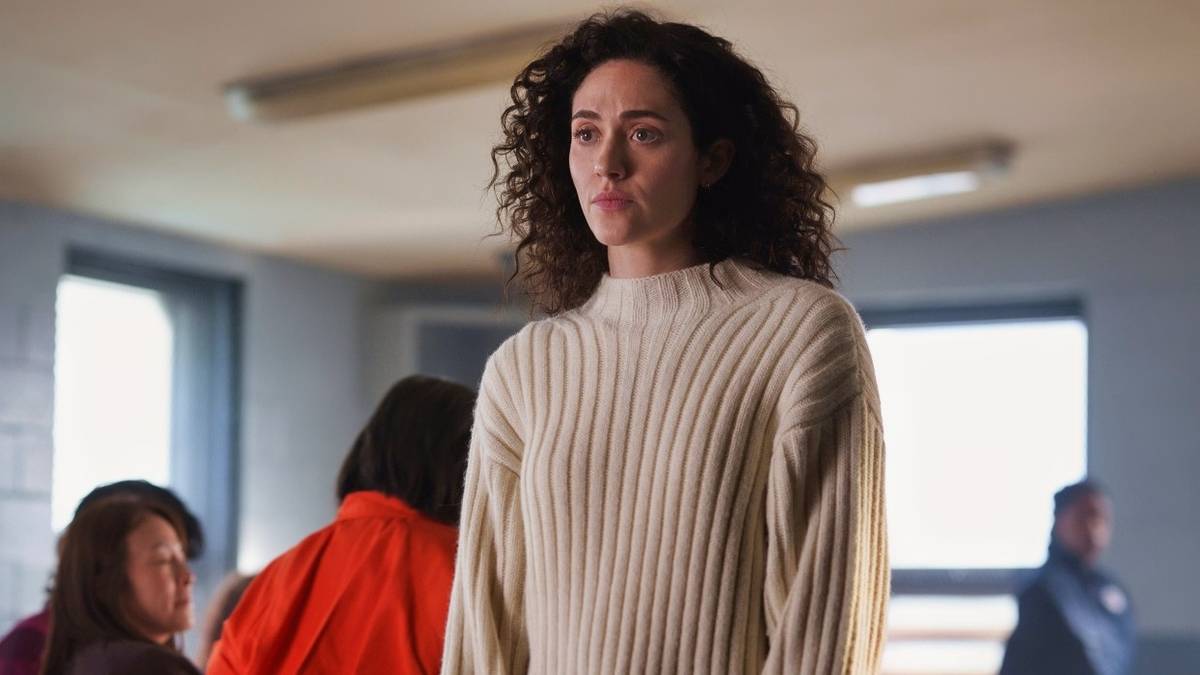
The first season finale of Hulu's crime thriller "Furious" delivered a high-stakes conclusion, deepening the complex relationship between fledgling serial killer Catherine Grace (Lola Petticrew) and FBI agent Alice Black (Emmy Rossum). Creator Liz Meriwether masterfully peeled back new layers for both characters, both individually and through their unexpected convergences. With the series officially renewed for Season 2, the finale has laid the groundwork for an even darker narrative to unfold.
A pivotal moment in the season was a chance encounter between Alice and Catherine at a domestic violence shelter. This meeting unexpectedly forged a profound connection, culminating in the suspicious death of wealthy businessman Jay Easton (Peter McRobbie) at his mansion. While initially appearing as cardiac arrest, Catherine later astutely deduced to Alice in prison that Easton’s death was no accident. This revelation, coupled with a damning flash drive now in Alice’s custody, significantly raises the stakes for the upcoming season.
Emmy Rossum elaborated on the significance of Alice and Catherine's early interaction in Episode 6. The shelter scenes, particularly a playground encounter, allowed Alice to share a truly personal and vulnerable story – albeit under a false identity. Rossum likened this dynamic to the film "Black Widow," where two lonely, deceptive women seek connection. This bond, formed despite Alice's professional obligations, was palpable enough for Nora to question Alice’s feelings for Catherine, hinting at the deep, unconventional connection that transcends their roles.
Alice's character is portrayed as deeply complex, prone to risky decision-making and behaviors, as evidenced from the series' outset with her actions on Tinder. Rossum described Alice as "flammable and also buried really deep," highlighting the challenge and richness of playing a character who consistently suppresses her vulnerability and emotions. This internal struggle, rooted in complex PTSD and obsessive tendencies, allows her to function in high-pressure environments, but also makes her resistant to genuine connection.
The intricate nature of Alice's relationship with Danny (Scoot McNairy) was another central theme. Danny consistently offers Alice a "safe space," providing care and emotional support without seeking a sexual dimension, such as sitting outside the shower for her. However, Alice, having experienced significant past trauma and betrayal, struggles to accept kindness or trust. She resists being "saved," often shutting down "softness" whenever it begins to creep in. Her inability to let someone truly love her is evident in her anger when Danny offers a retreat to the shore, pushing her instead into the house and her dangerous path.
Their eventual intimacy on the beach highlights Alice’s continued questioning of her worthiness for love, especially given the totality of her past and Danny’s recent exposure to some of her traumas. Alice takes the lead in their intimate scene, undressing Danny and lightening the mood with a reference to Parcheesi, signifying her active consent and control. Danny's continued support, giving her the damning tape, underscores their differing coping mechanisms: he wants to move past it, while she feels compelled to confront it.
The climactic confrontation with Jay Easton was carefully orchestrated. Rossum revealed that discussions with Liz Meriwether predated the first script, envisioning "inverse arcs" where Alice, initially seen as the "good guy," would move towards taking a life, challenging audience perceptions. Alice’s act was not premeditated; it was triggered by Easton’s chilling recognition of her from her past trauma – "I loved your video. It was one of my favorites. You're the movie star." This moment, combined with Catherine's earlier pronouncements on the empowering nature of killing, unleashed Alice's deep-seated rage and allowed her to step into a new, formidable power, confronting her fears rather than pretending they didn't exist.
The finale featured two striking close-up shots of Alice looking directly into the camera, each conveying a distinct aspect of her evolving state of mind. The first occurred after Alice received the code to access the video and information about its viewers. Rossum explained the immense challenge of portraying the trauma of watching a childhood assault video without actual visual aids, channeling the experiences of real victims. This look conveyed the overwhelming confirmation of her past, the surreal nature of the trauma, and the staggering reality of 50,000 viewers, leading to a potent sense of power in knowing the truth, however horrifying.
The second, a scripted smile captured in a single take, came during her prison meeting with Catherine, who had correctly deduced Easton's death. This look, according to Rossum, signifies "a shared knowing" and the intoxicating power of holding a secret. Alice, adept at secrecy, doesn't need to confirm Catherine's suspicions verbally; her expression conveys a sense of inflated power and mutual understanding, signaling a darker, more complex Alice emerging into Season 2. While the specifics of Season 2 remain fluid, Rossum expressed excitement about Liz Meriwether's evolving vision, promising compelling developments for Alice as she navigates her newfound power and the consequences of her actions.