Maltese Tycoon Acquitted in Daphne Caruana Galizia Murder Trial
Maltese tycoon Yorgen Fenech has been acquitted of orchestrating the 2017 car-bomb murder of investigative reporter Daphne Caruana Galizia, sparking immediate outrage from her family and media freedom advocates. The verdict comes after years of investigation into the assassination, which had exposed high-level corruption and led to significant political upheaval in Malta.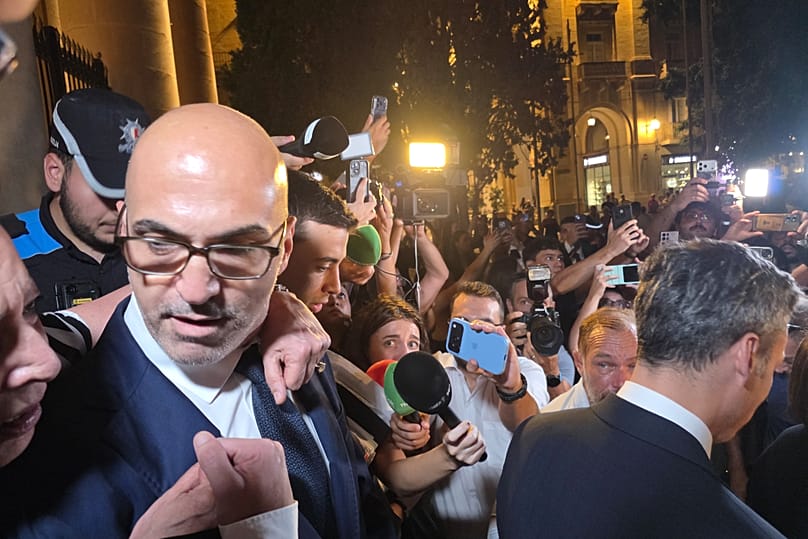
A Maltese court has acquitted businessman Yorgen Fenech of orchestrating the 2017 assassination of investigative journalist Daphne Caruana Galizia, prompting renewed criticism from her family and international press-freedom organisations.
Fenech had been accused of masterminding the car-bomb killing of the 53-year-old journalist, whose investigations into corruption involving Malta’s political and business elites made her a prominent target before her death.
The assassination triggered mass protests, a major political crisis and international scrutiny of Malta’s rule of law, eventually contributing to the resignation of Prime Minister Joseph Muscat in January 2020.
Caruana Galizia’s family condemned the verdict, arguing that it denies her the justice she deserves, while media freedom groups including the European Centre for Press and Media Freedom and Reporters Without Borders expressed strong disappointment.
A public inquiry published in 2021 concluded that the Maltese state bore responsibility for creating an “atmosphere of impunity” that contributed to the circumstances surrounding her murder.
Fenech was arrested in 2019 aboard his yacht after prosecutors alleged that he ordered the killing because Caruana Galizia was preparing to publish damaging information concerning his business interests and family connections.
Five men have been convicted for their roles in the assassination, including Robert Agius and Jamie Vella, who received life sentences in June 2025 for supplying the explosives, while George and Alfred Degiorgio and Vince Muscat were convicted for their involvement in carrying out the killing.
Fenech’s acquittal means the question of who ultimately ordered the assassination remains unresolved despite years of investigations and prosecutions. Caruana Galizia’s family has therefore renewed its call for accountability for everyone who enabled, facilitated or protected those responsible, while press-freedom organisations continue to demand reforms to prevent similar attacks on journalists.