Elumelu Is Right: African Teams Made Us Proud, but FIFA’s Refereeing Still Deserves Scrutiny
Tony Elumelu praised Africa’s 2026 World Cup teams but urged FIFA to address controversial VAR decisions involving Egypt, Ghana and South Africa.
At this World Cup, many of us found ourselves supporting countries that were not our own. Our national football rivalries did not disappear, but once an African team stepped onto the pitch, they mattered a little less. For those 90 minutes, it felt as though the whole continent was playing.
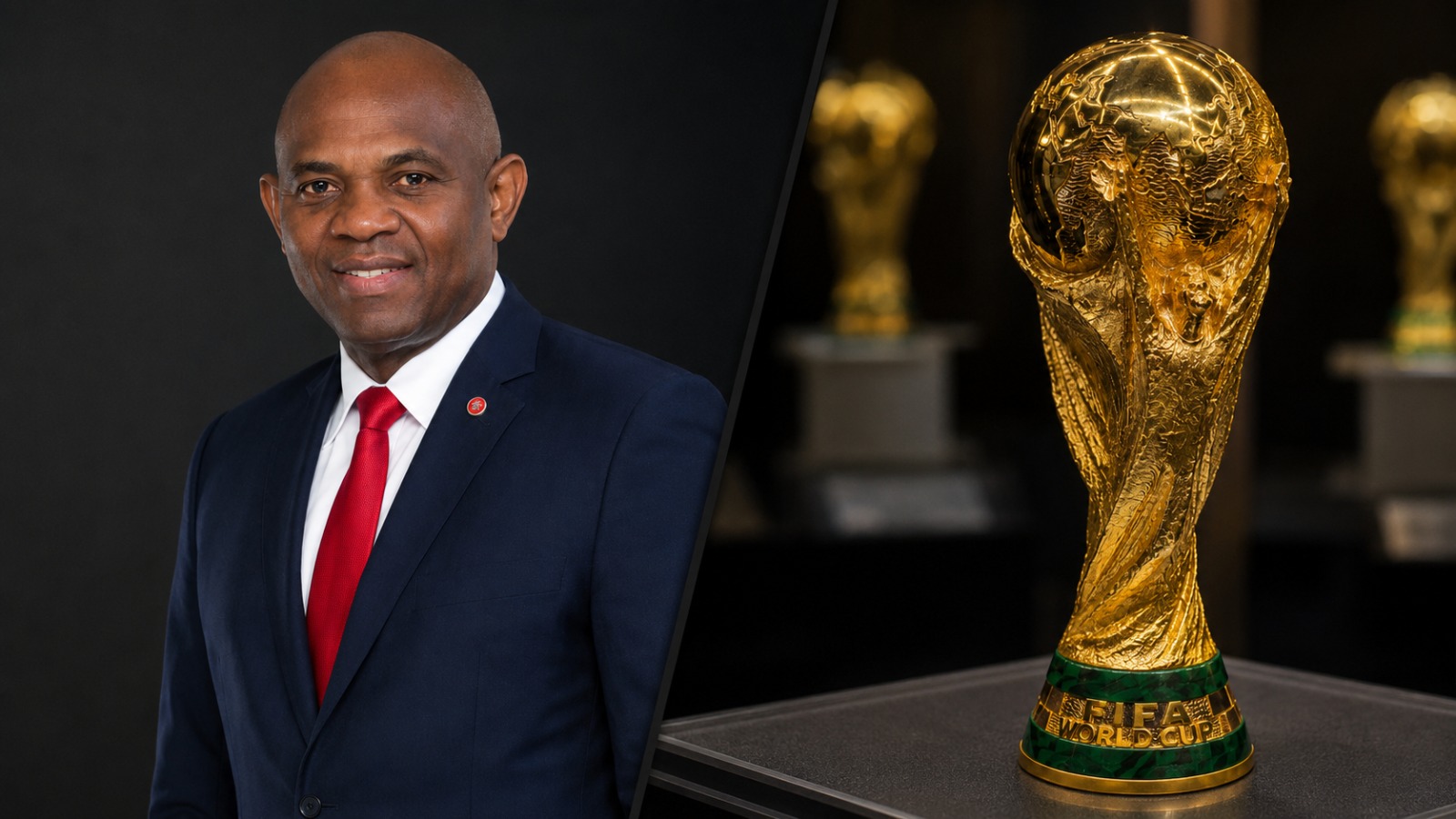
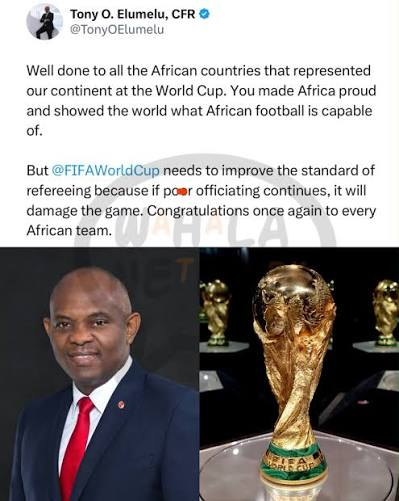
Tony Elumelu captured that shared pride ina post on X on Friday. The Nigerian businessman congratulated the African countries that represented us and praised them for showing what African football can offer.
His message also carried a warning: FIFA must improve the standard of refereeing before poor officiating damages the game.
Recent matches gave African supporters reason to share his concern. From South Africa's card-filled opener to Ghana's disputed penalty appeals and Egypt's painful exit, several decisions were difficult to understand. No single incident proves deliberate bias, but together they raise questions about consistency.
Egypt's Exit Left the Biggest Questions
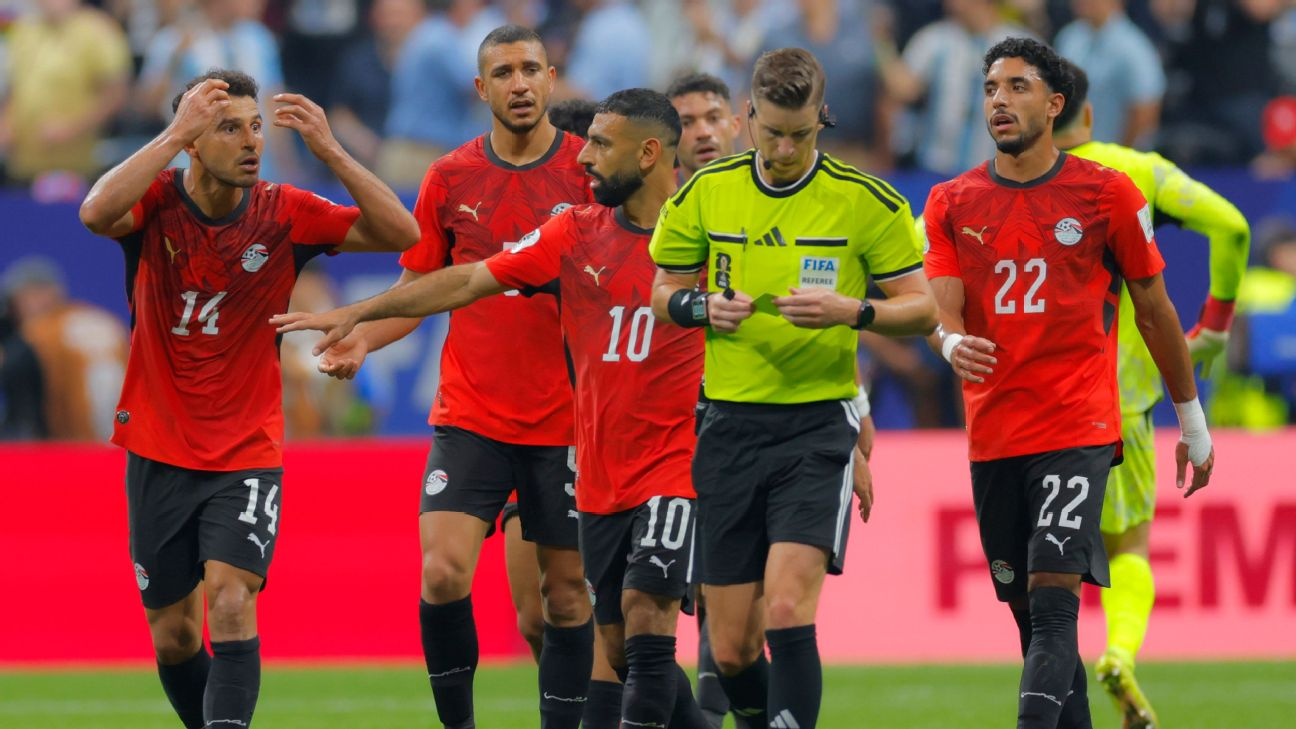
Nothing illustrated Elumelu's concern more clearly than Egypt's 3–2 defeat to Argentina.
Leading 2–0, Egypt appeared to score again, only forVAR to return to an earlier foul in the buildup and cancel the goal. There was contact, so the decision could be defended.
What followed was harder to explain.
Before Argentina's winning goal, Mohamed Salah went down during the buildup. This time, VAR did not intervene.
The incidents were not identical, but they were similar enough for supporters to ask why one attacking sequence was examined closely while the other continued.Former Arsenal striker Ian Wright and former Liverpool defender Jamie Carragher both questioned the inconsistency on air, and the Egyptian Football Association later lodged a formal complaint against the match officials.
Egypt were close to eliminating the defending champions and producing one of Africa's great World Cup performances. At such a decisive moment, saying only that VAR checked the incident is not enough. Supporters deserve to know what officials saw and how they reached their decision.
Ghana and South Africa Had Questions Too
Ghana coach Carlos Queiroz had already expressed frustration with VAR after his team's goalless draw with England.
Ghana appealed for a penalty after goalkeeper Jordan Pickford collided with Prince Adu inside the box, but play continued. Later, Ezri Konsa challenged Adu without appearing to touch the ball. That incident also went unpunished.
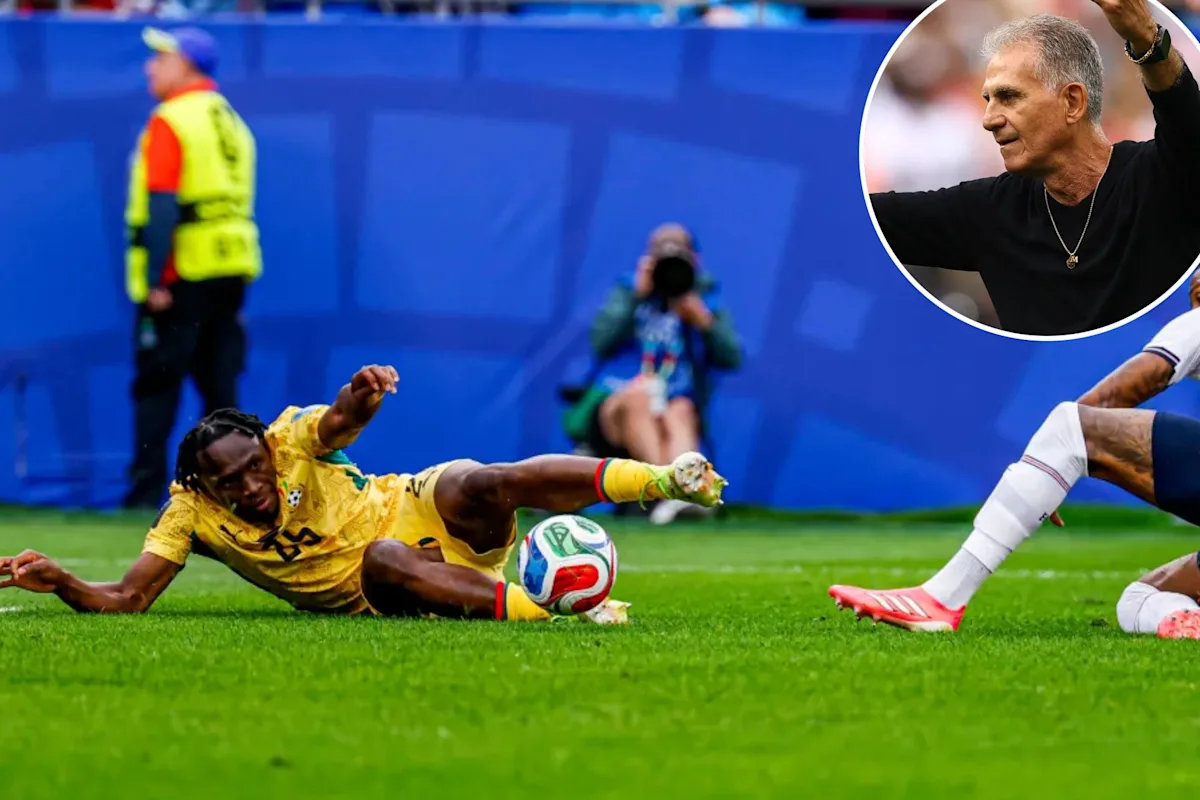
Queiroz joked that VAR had "gone for coffee." The remark was sarcastic, but his frustration was clear. If officials examined the incidents, they did not explain why neither required intervention.
South Africa's opening defeat to Mexico had created similar unease.Three players were sent off, including South Africa's Yaya Sithole and Themba Zwane. Coach Hugo Broos accepted Sithole's dismissal but questioned the decision to send off Zwane.
Football fans will disagree about these calls, and referees may have reasonable explanations for some of them. The problem is that without those explanations, people are left to guess how VAR is being used.

We Must Still Be Honest With Ourselves
Refereeing cannot explain every African disappointment.
Egypt still had to protect a two-goal lead. Our teams missed chances, lost concentration and made tactical errors. Some also arrived at the tournament carrying familiar problems caused by poor preparation and weak football administration.
Those failures belong to us. If we want African football to be taken seriously, we must examine them without excuses.
FIFA should face the same scrutiny. Players and coaches are questioned after poor performances and expected to explain what went wrong. Referees can influence a result just as heavily, yet their reasoning often remains hidden.
Accountability should not stop at the touchline.
FIFA Cannot Keep Asking Supporters to Guess
African teams are not asking for favourable decisions. A foul remains a foul, regardless of the shirt a player is wearing. What we expect is a consistent standard that everyone can understand.
VAR allows officials to revisit decisive moments from several angles. That power should come with greater openness.
After a major review, the referee's explanation should be communicated to viewers. If VAR examines an incident and decides not to intervene, that should also be made clear. FIFA should publish explanations for disputed calls so officials can be judged on how they interpreted the rules rather than on speculation.
Elumelu was right to celebrate our teams, but pride should not make us lower our expectations. As African football improves, the standard of officiating must keep pace.
We are not asking FIFA for sympathy. We are asking for a World Cup where nobody has to guess why one incident was reviewed and another was not.
Until FIFA provides those answers, disputed decisions will continue to overshadow the football after the final whistle.