EFCC Recovers $60 Million From Nestoil in Ongoing Debt Investigation
The EFCC has recovered $60 million from Nestoil—but a much larger debt remains. Here’s what the repayment deal means for the ongoing investigation.
The Economic and Financial Crimes Commission (EFCC) has recovered $60 million from Nestoil Limited as part of an ongoing investigation into alleged criminal aspects of transactions involving the oil company and a consortium of its lenders.
The recovery followed a meeting led by EFCC Chairman Olanipekun Olukoyede, where Nestoil and the lenders agreed to a structured repayment plan.
The payment represents the first major step in recovering the company's outstanding indebtedness, although a substantial balance remains.
The development also signals the EFCC's continued focus on recovering funds linked to disputed financial transactions while ensuring that lenders and depositors' interests are protected.
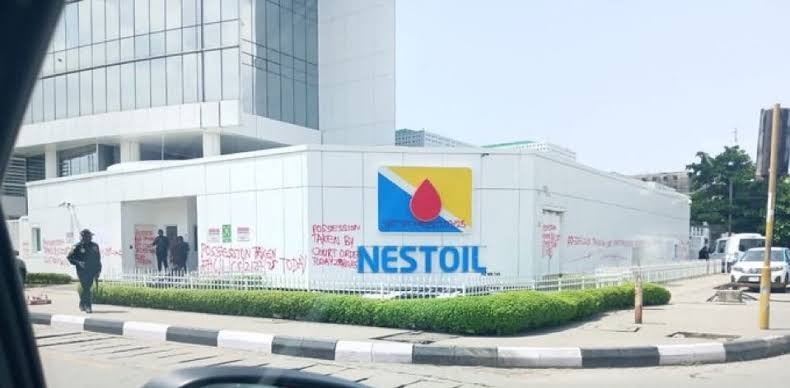
EFCC Brokers Repayment Agreement With Nestoil
The repayment agreement was reached during a meeting convened and chaired by EFCC Chairman Olanipekun Olukoyede.
The investigation focuses on transactions involving Nestoil Limited and a consortium of its lenders, with the EFCC examining the alleged criminal aspects of the dealings.
As part of the process, both sides agreed to a structured repayment arrangement aimed at recovering the outstanding debt.
The first phase has already produced results, with $60 million paid by Nestoil to the consortium of lenders during the investigation.
The agreement provides a framework for further repayments while allowing the investigation and recovery process to continue under the supervision of the relevant authorities.

$60 Million Recovery Marks First Phase
The payment was facilitated by operatives from the EFCC Lagos Zonal Directorate 2, led by the Head of Investigation, Oguzi Moses.
For the EFCC, the recovery represents an important step in protecting the interests of financial institutions and ultimately safeguarding depositors' funds.
However, the lenders have made it clear that the $60 million payment does not settle the entire matter.
They described it as the first phase of the repayment process, with a substantial portion of the outstanding debt still to be recovered.
The lenders therefore remain committed to continuing negotiations and working with the EFCC and other relevant stakeholders until the remaining indebtedness is fully settled.

Lenders Pledge Cooperation With EFCC Investigation
The consortium of lenders has also agreed to provide the EFCC with documents and other information required for the investigation.
Their cooperation is expected to help investigators examine the transactions and determine the appropriate legal steps while ensuring that the recovery process remains lawful, transparent and commercially responsible.

The development also shows that the recovery effort is not limited to securing a payment.
The EFCC is continuing to investigate the circumstances surrounding the transactions and the alleged criminal elements involved.
The lenders said they would continue working with the Commission and other relevant stakeholders to ensure the process moves forward and the outstanding obligations are properly addressed.

Investigation Continues as More Debt Remains
Despite the $60 million recovery, the case is far from over. The lenders have acknowledged that a significant amount remains outstanding, meaning further repayments will be required under the agreed structure.
The EFCC has reaffirmed that it will continue the investigation to its logical conclusion and pursue the full recovery of the funds owed in accordance with the law.
The immediate recovery therefore marks an important milestone, but the larger test will be whether the remaining debt can be recovered while the EFCC completes its investigation into the transactions.