Ebola Scare in Abuja: Travel Advisory as Deadly Virus Spreads
Nigeria's capital, Abuja, is on high alert following a confirmed Ebola case, reigniting concerns about the deadly disease. With an imported case from Uganda, health authorities emphasize crucial facts about transmission, symptoms, and prevention to safeguard public health and prevent further spread.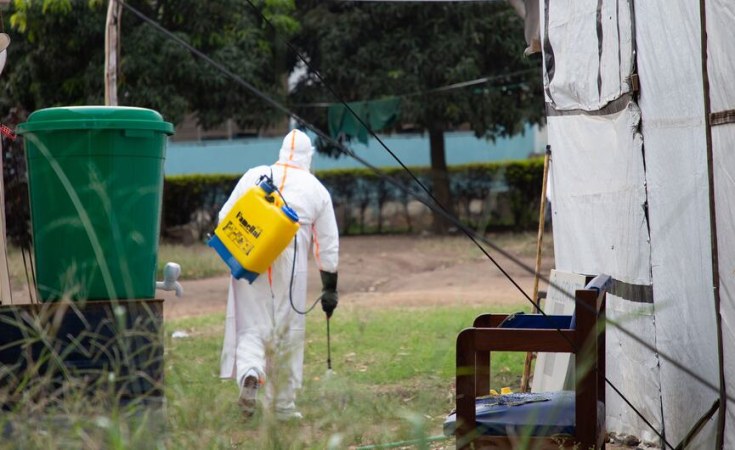
Nigeria's health system has been placed on heightened alert following the confirmation of an Ebola case in Abuja, the nation's capital. This development comes 12 years after the country successfully contained a previous outbreak that tragically claimed eight lives. The latest case involves a woman who recently arrived in Nigeria from Uganda and is currently receiving treatment in isolation. In response, health authorities have swiftly identified 44 contacts and initiated intensive tracing and monitoring efforts to prevent any further transmission of the virus.
The emergence of this case has revived serious concerns about Ebola, recognized globally as one of the deadliest infectious diseases. Reports have linked the outbreak to the Bundibugyo virus, a specific type of Ebola virus for which there is currently no licensed vaccine. However, PREMIUM TIMES could not independently verify the exact Ebola virus species responsible for the imported case in Abuja. Understanding how this severe infectious disease spreads, recognizing its symptoms, and knowing effective protective measures are crucial for public safety.
Ebola disease is caused by viruses belonging to the Orthoebolavirus genus within the Filoviridae family, commonly known as filoviruses. Scientists have identified several species capable of causing illness in humans, including the Ebola virus, Sudan virus, and Bundibugyo virus. This distinction is vital because the efficacy of available vaccines and treatments can vary significantly across different species.
Ebola stands as one of the world's most dangerous viral diseases, capable of causing severe illness that affects multiple organs. Historical outbreaks have shown fatality rates ranging from 25 to a staggering 90 percent. Nevertheless, survival chances improve considerably when patients receive early diagnosis, proper rehydration, and comprehensive supportive medical care.
Crucially, unlike respiratory infections such as COVID-19 or influenza, Ebola is not airborne. Infection occurs through direct contact with the blood, vomit, saliva, urine, faeces, or other bodily fluids of someone who is ill with the disease. The virus can also spread via contact with contaminated clothing, bedding, or medical equipment. The World Health Organisation (WHO) states that symptoms can appear anywhere between two and 21 days after exposure. Early signs include fever, severe weakness, headache, muscle pain, and a sore throat. As the illness progresses, vomiting, diarrhoea, and in some instances, bleeding may occur.
One of the primary challenges in detecting Ebola is that its early symptoms closely resemble those of common diseases like malaria and typhoid fever. This similarity necessitates that healthcare workers rely on a combination of laboratory testing, thorough travel history, and detailed contact history to confirm suspected infections. Furthermore, infected individuals become contagious only after symptoms begin to manifest. A person exposed to Ebola cannot transmit the virus before symptoms appear, but once illness develops, the risk of transmission through contact with bodily fluids increases significantly. This principle is why health authorities typically monitor exposed contacts for a period of 21 days.
Effective preventive measures are essential. Regular handwashing with soap and water remains one of the simplest and most effective ways to reduce risk, and alcohol-based hand sanitizers can also be used when appropriate. Health officials have strongly advised Nigerians to maintain good hygiene practices and remain vigilant. It is imperative to avoid direct contact with the blood, vomit, urine, faeces, and other bodily fluids of anyone suspected of having Ebola. Soiled clothing, bedding, and medical materials can also harbor the virus and should only be handled by trained personnel utilizing proper protective equipment.
A critical point of concern is that the virus can remain active in the bodies of people who have succumbed to the disease. Traditional burial practices that involve washing or touching corpses have contributed to past outbreaks. Consequently, health authorities recommend that trained teams manage the burial of all suspected or confirmed Ebola victims to prevent further spread.
Anyone who develops symptoms after possible exposure should immediately contact public health authorities and seek urgent medical advice. Individuals identified as contacts are urged to fully cooperate with monitoring teams, provide accurate information, and promptly report any emerging symptoms. Early reporting is vital, as it can save lives and play a crucial role in preventing wider transmission.
For now, health authorities are urging calm rather than panic. Nigeria's successful containment of the 2014 outbreak demonstrated the effectiveness of rapid case detection, isolation, comprehensive contact tracing, and robust public cooperation. As officials respond to the current Abuja case, these very measures remain the country's most potent defense against further transmission.