Ebola Crisis Deepens: WHO Warns Outbreak 'Outpacing' Efforts as Deaths Soar in DRC
The World Health Organization has raised an urgent alarm over a rapidly escalating Ebola outbreak in central Africa, primarily centered in the Democratic Republic of Congo's Ituri province. With over 220 deaths and 900 suspected cases, the epidemic is outpacing response efforts, which are severely hampered by local distrust, attacks on health facilities, and a critical lack of resources, even as the Bundibugyo ebolavirus spreads to neighboring Uganda.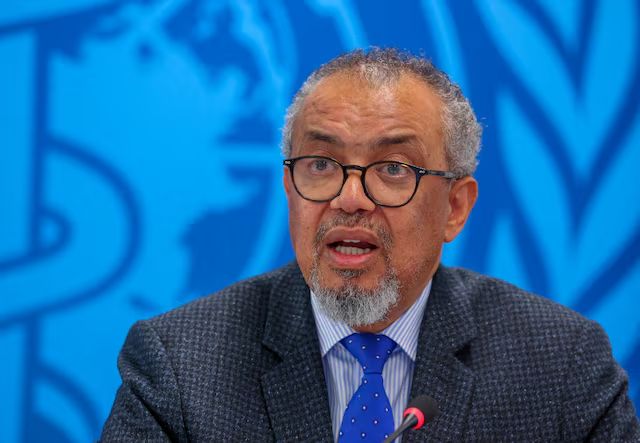
The World Health Organization (WHO) has sounded a dire warning regarding the accelerating pace of the current Ebola outbreak in central Africa, which has already claimed at least 220 lives, with suspected cases soaring past 900.
WHO Director-General Tedros Adhanom Ghebreyesus expressed grave concern on Monday, stating, “We are urgently scaling up operations, but at the moment the epidemic is outpacing us,” and acknowledged that health workers are "playing catch-up."
He announced plans to travel to the Democratic Republic of Congo (DRC) to the Ituri province, where the outbreak is primarily centered, underscoring the severity of the situation in a nation that has endured over a dozen Ebola outbreaks in past decades.
The response to this rapidly spreading epidemic has been severely hampered by a confluence of factors, including international aid cuts enacted last year by major contributors like the United States and other affluent nations.
These cuts have proven devastating for eastern Congo, a region already grappling with unique challenges.
Local populations' fear, anger, and frustration, compounded by long-standing distrust of authorities in areas plagued by armed violence, have led to significant obstacles.
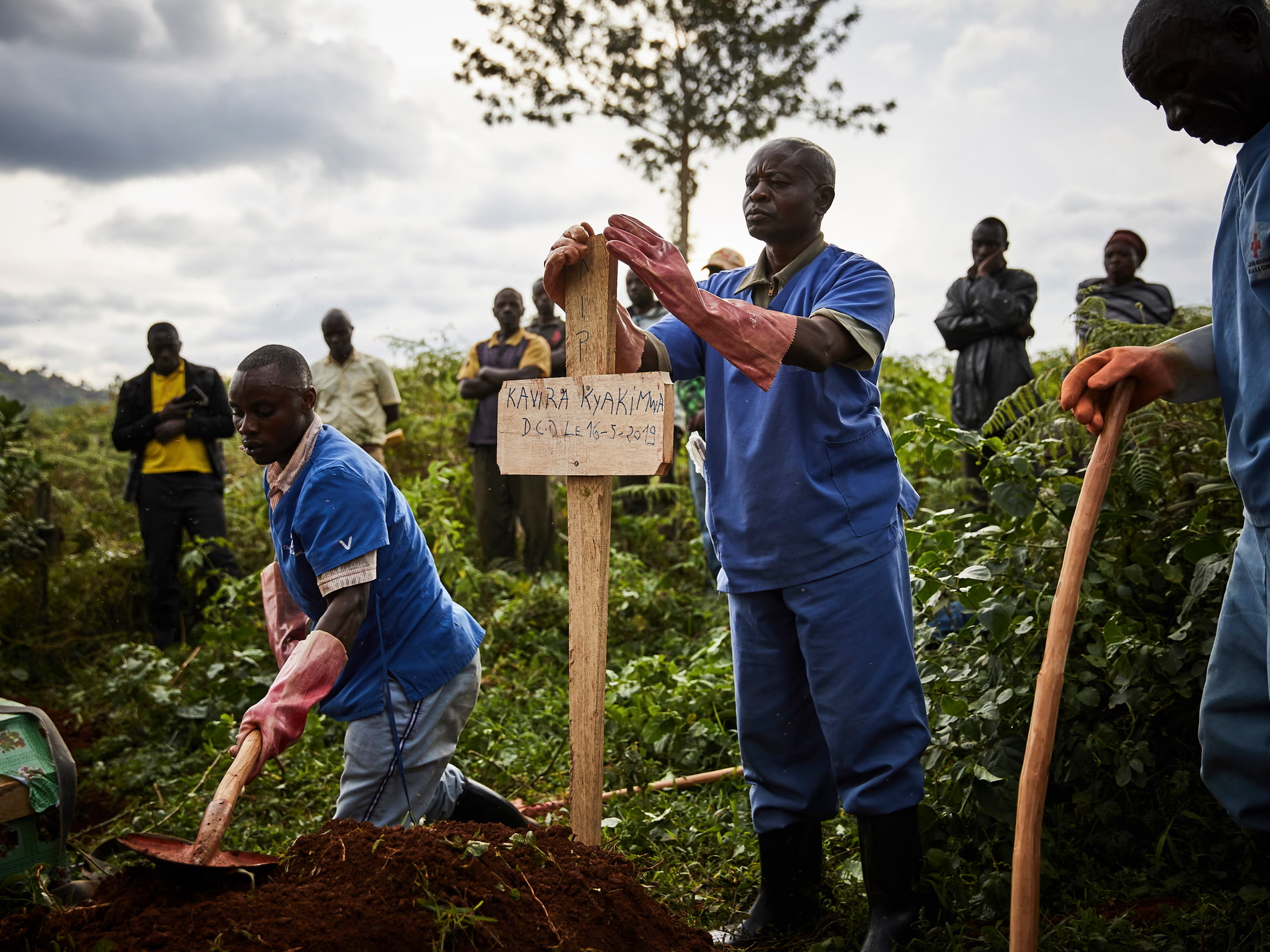
Aid groups on the front lines are also facing critical shortages of essential equipment, such as face shields, protective suits for health workers, testing kits, and vital materials like body bags necessary for the safe burial of victims, whose remains can be highly contagious.
Compounding these challenges are direct attacks on health facilities, which have become a recurring issue.
In Ituri province, the epicenter of the outbreak, incidents of violence have severely disrupted containment efforts.
Residents of Mongbwalu town, for instance, attacked the Mongbwalu general referral hospital on successive days.
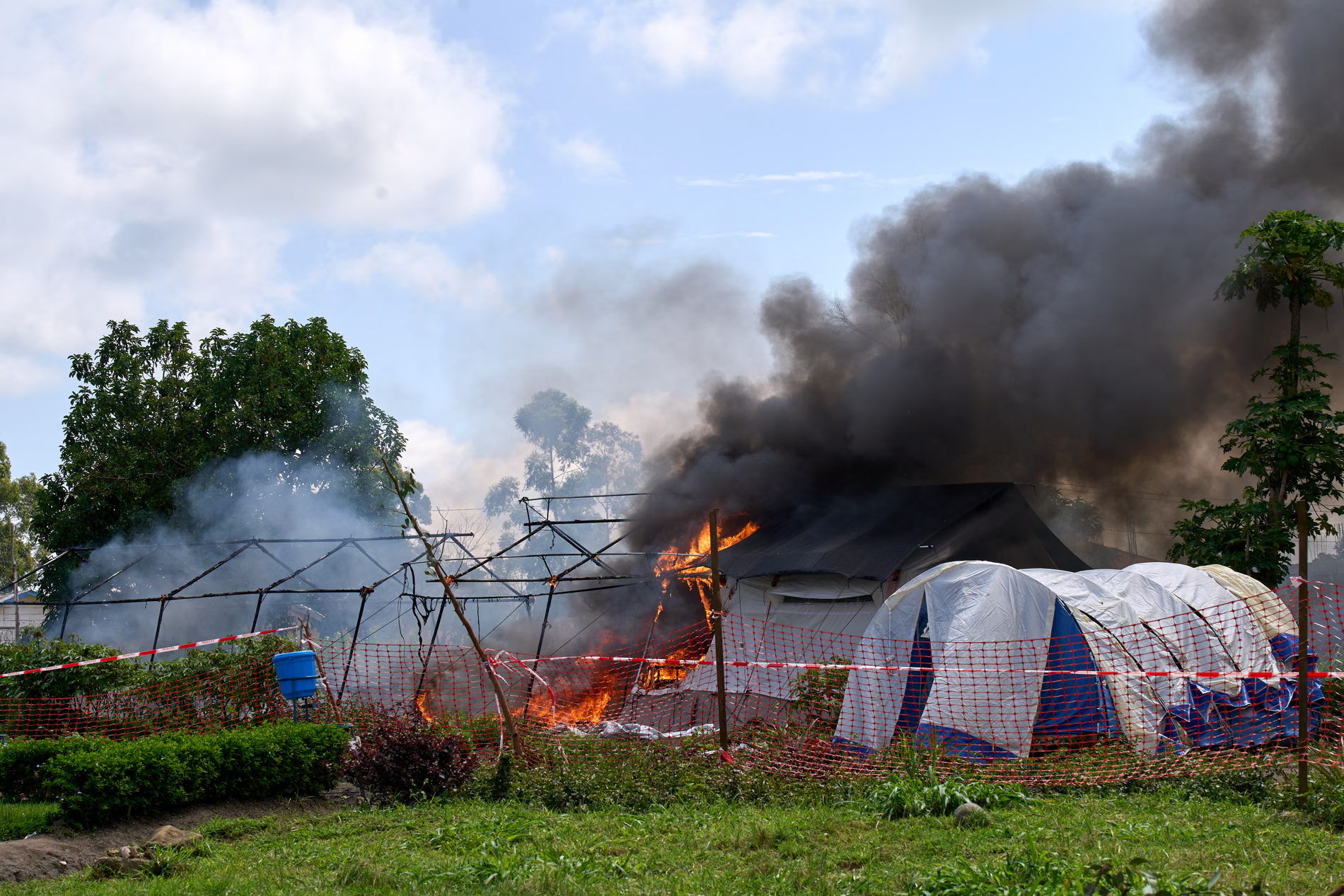
Dr. Richard Lokodu, the facility's medical director, reported that 18 Ebola patients fled after unidentified individuals burned tents erected by Médecins Sans Frontières for patient isolation.
The hospital endured multiple waves of attacks, reportedly instigated by young people mobilized by relatives of a religious leader who succumbed to Ebola.
During one such attack, a critically ill suspected patient died while attempting to escape.
Similarly, in Rwampara, near Bunia, a crowd set fire to a treatment center after authorities refused to release a victim's body for a traditional burial.
These incidents highlight the profound conflict between public health protocols—which mandate supervised, safe burials to prevent contagion—and deeply ingrained cultural practices that often involve washing and touching the deceased, a known driver of past Ebola outbreaks.
The outbreak's reach has extended beyond the DRC's borders, with neighboring countries, particularly Uganda, facing high risk.
Ugandan health authorities confirmed their first local infections on a Saturday: a driver and a health worker exposed to a Congolese patient who died earlier in May.
Subsequently, two more health workers at a private hospital in Kampala tested positive, bringing Uganda's total confirmed cases to seven.
The specific pathogen responsible for this alarming outbreak is the Bundibugyo type of Ebola virus, for which there is currently no approved vaccine or treatment.

Given its rapid spread and severe impact, Director-General Tedros earlier declared the outbreak a "public health emergency of international concern."
Experts emphasize that meticulous tracing and isolation of Ebola contacts remain paramount to curbing the disease's transmission.
Containing the outbreak is further complicated by the volatile security situation and endemic conflict in the affected regions.
Hotspots include Rwampara, Mongbwalu, Nyankunde, and Bunia areas in the north-east of Ituri province, a key commercial and migration hub rich in gold.
This area has been plagued by conflict between militias allied to the Hema and Lendu ethnic groups, who have been fighting over land and minerals, resulting in over 50,000 deathssince 1999.
Cases have also been reported in Butembo and rebel-controlled Goma in North Kivu province, and Bukavu city in South Kivu province, both also under rebel control.
The combination of insecurity, a lack of an approved vaccine, and the deep-seated mistrust and cultural practices pose immense challenges to health workers striving to bring this deadly epidemic under control.