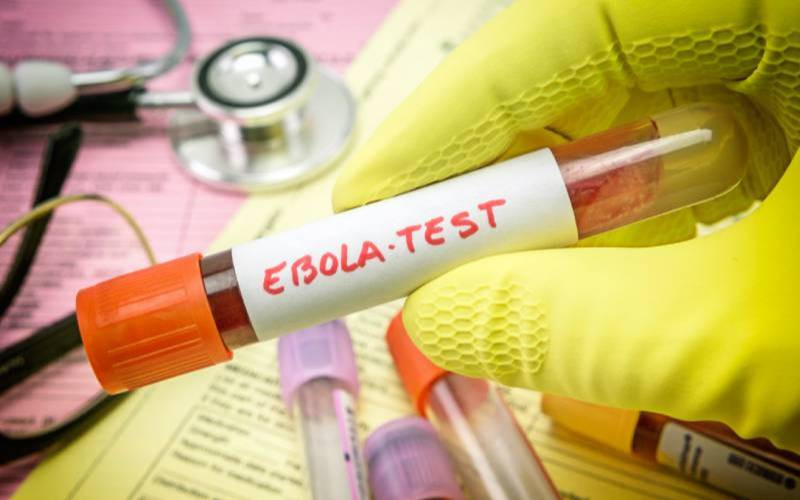
DRC Grapples with Resurgent Ebola Outbreak: WHO Chief Urges Immediate Action
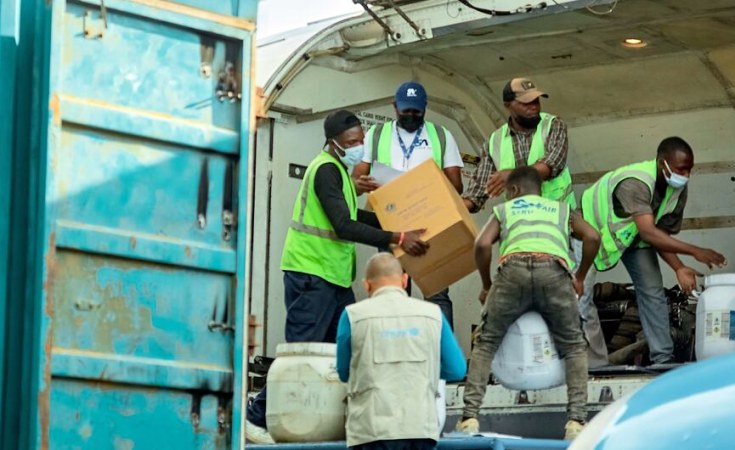
The Democratic Republic of Congo (DRC) is currently facing a severe public health crisis, with the World Health Organization (WHO) declaring the latest Ebola outbreak a public health emergency of international concern on May 17, 2026. This is the highest global health alert, reserved for extraordinary disease outbreaks that pose an international public health risk requiring coordinated global efforts. As of May 19, 2026, the DRC reported over 500 cases and 130 deaths, with neighboring Uganda recording two cases and one death, and new cases of the Bundibugyo strain continuing to emerge, including a Ugandan health worker, a driver, and a Congolese national.
The rapid escalation of cases, particularly with the outbreak declared just days earlier on May 15, suggests a challenging containment effort. While the DRC has extensive experience with infectious disease outbreaks, including previous Ebola crises and a prolonged struggle with mpox, the current Ebola outbreak has the potential for significant scale and duration. An infectious disease epidemiologist with experience from the 2013-2016 West African Ebola outbreak highlights four critical factors making containment difficult: late detection, pervasive insecurity, misdiagnosis, cultural practices, and a critical shortage of global health funds.
Late detection is a primary challenge, characterized by the prolonged period between infection and laboratory diagnosis. This delay is crucial because isolating infected individuals is paramount to controlling Ebola's highly contagious spread. During the 2013-2016 outbreak in Sierra Leone, late detection due to unfamiliarity with the virus led to early deaths and increased cases. In the current DRC outbreak, despite the country's familiarity with Ebola, late detection is exacerbated by severe insecurity, particularly in Goma, the outbreak's epicenter. Goma, a city on the Rwandan border, has long been affected by conflict between government forces and rebels. Such instability creates an environment where infectious diseases thrive and outbreaks often go unnoticed, hindering effective surveillance and response. The observed incidence and deaths in the DRC exceed the expected secondary infections based on Ebola's basic reproduction number (R0 of 1.5-2.5), suggesting uncontrolled transmission.
Misdiagnosis further complicates early intervention. The early symptoms of Ebola, such as fever, can be subtle and easily confused with other prevalent diseases like malaria and typhoid. Historically, misdiagnosis has proven deadly, as seen in Sierra Leone where healthcare workers mistook Ebola for Lassa fever. A unique challenge in this outbreak is the specific strain: the Bundibugyo virus, first identified in Uganda in 2007. Unlike the more extensively researched Zaire Ebola virus disease, the Bundibugyo strain is relatively new, leading to less developed research in terms of vaccines and medical treatments, making diagnosis and treatment even more complex.
Cultural factors, particularly traditional ritual burials, also pose a significant obstacle to containment. These ceremonies, common in many African countries including Sierra Leone and the DRC, involve communal grieving and ceremonial preparation of the deceased's body, often leading to direct contact with highly infectious corpses. Past outbreaks have shown tragic consequences, with instances of many deaths following the ritual burial of an Ebola victim. Resistance to public health measures, such as preventing relatives from handling the bodies of loved ones, has even led to violence against healthcare facilities.
Compounding these challenges is a critical shortage of global health funds and the dissolution of projects previously supported by organizations like the United States Agency for International Development (USAID). These cuts have severely impacted the operations and effectiveness of public health initiatives worldwide, including preparedness and mitigation efforts for future disease outbreaks. Unlike previous outbreaks where countries like Sierra Leone benefited immensely from international donor support, the DRC faces this outbreak with significantly less international assistance. Despite the DRC's extensive experience, the lack of immediate expert and logistical support on the ground, coupled with the country's vast size (comparable to Western Europe) and ongoing insecurity, creates immense difficulties in channeling resources and managing the situation effectively.
To effectively tackle the current Ebola outbreak, a rapid, multi-tiered response is essential. This response must prioritize swift case detection, robust multinational support, collaborative surveillance systems, and active community engagement. The DRC has historically served as a scientific base for international research institutions focusing on infectious diseases, offering a foundation for scientific collaboration. In the absence of a widely available vaccine or specific medication for the Bundibugyo strain, health authorities must intensify community engagement efforts to raise awareness and educate the public. Crucially, public health laws must be rigorously enforced, especially those addressing cultural practices that promote unsafe burials and elevate the risk of Ebola transmission, thereby preventing further human-to-human spread from undetected cases. As WHO Director-General Tedros Ghebreyesus warned, the recent outbreaks demonstrate the world's continued vulnerability to rapidly spreading infectious diseases, underscoring that global health and safety depend on the health and safety of all nations.
You may also like...
Rangers Snatch NPFL Crown in Lagos After Epic Winner-Takes-All Battle

Enugu Rangers have been crowned champions of the 2025/26 Nigeria Premier Football League (NPFL) season after a dramatic ...
EPL Heartbreak and Heroics: Tottenham Survive Relegation, West Ham Plunge

The 2025-26 Premier League season concluded with dramatic final-day action, seeing West Ham United relegated despite the...
Mandalorian and Grogu Movie Roars to Box Office Victory, Recovers Budget in Days!

The first Star Wars movie in seven years, "The Mandalorian and Grogu," debuted with the lowest domestic box office since...
Game of Thrones' First Spin-Off Unleashes Stunning New Look, Returns Officially!

Game of Thrones fans have much to anticipate with "A Knight of the Seven Kingdoms" Season 2 and "House of the Dragon" Se...
Sueños Festival 2026 Explodes: J Balvin's OG Muscle and Kali Uchis' Album Reveal

Sueños Music Festival 2026 launched with spectacular performances from headliners Kali Uchis and J Balvin. Uchis captiva...
Annie's Ultimate Fate in 'The Boys' Revealed: Justice Served?

Erin Moriarty reflects on Annie January's poignant journey and
Hollywood's Hottest Baby Boom: Get Ready for 2026's Star-Studded Arrivals!

The year 2026 has been a joyous one for many celebrities, with a flurry of baby announcements and births. From Sharon Oo...
Meji Alabi Unearths Family Saga in Gripping BBC Biafra Doc!
A landmark BBC World Service documentary, "Surviving Biafra," offers a crucial look into the Nigerian Civil War through ...