Deluge of Death: Kenyan Floods Claim 42 Lives, Nairobi Drowns in Crisis
Heavy rains in Nairobi and across Kenya have led to a rising death toll of 42, with 50,000 displaced and widespread injuries. The recurring disaster is attributed to Nairobi's inadequate, outdated, and blocked drainage systems, coupled with poor multi-agency coordination and governance failures. Experts propose comprehensive solutions including a dedicated drainage authority, improved urban planning, water harvesting, and enhanced inter-agency collaboration to mitigate future floods.Nairobi and various parts of Kenya are grappling with the severe consequences of ongoing heavy rains, which have tragically claimed at least 42 lives as of March 8, 2026.
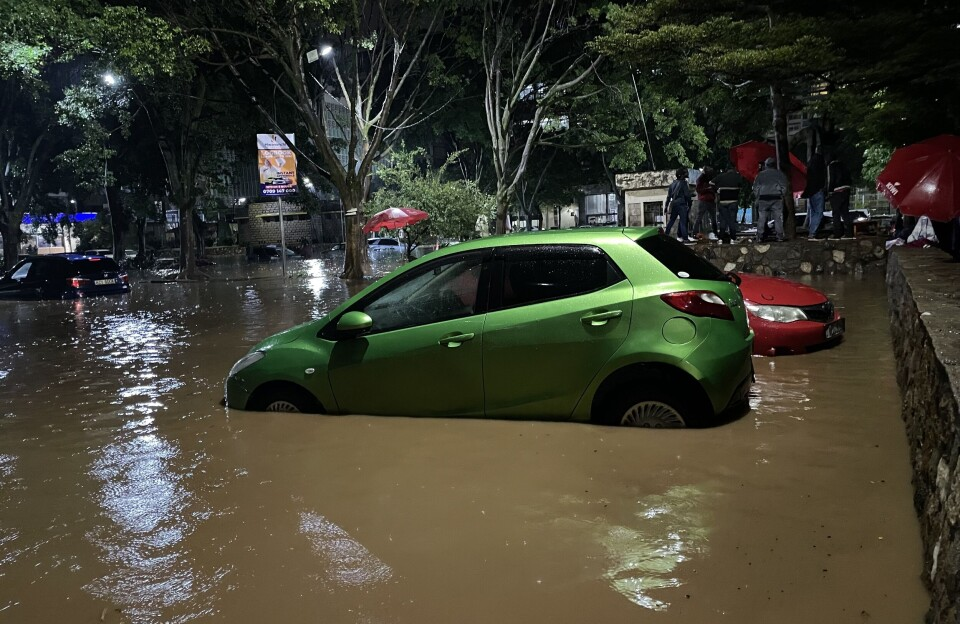
According to the government's multi-agency response secretariat, Nairobi County has been identified as the worst-hit area, accounting for more than half of the reported fatalities with 26 bodies recovered, including 21 men, three women, and two boys.
Public Service Cabinet Secretary Geoffrey Ruku confirmed an additional 17 deaths, bringing the total to 42 confirmed by the National Police Service.
Beyond Nairobi, the Eastern region reported ten deaths, Rift Valley four, and Mombasa and Homa Bay counties one each.
The torrential downpours have not only caused significant loss of life but also led to widespread displacement and injuries.
Approximately 50,000 people have been displaced after their homes were destroyed by floodwaters, intensifying calls for residents in high-risk zones to relocate to safer, higher ground.
Furthermore, 207 individuals are nursing injuries, with a staggering 200 of these cases reported in Migori County.
The floods have also resulted in nine people remaining missing since the onset of the rains, with five cases in Nairobi, two in Narok, and one each in Baringo and Makueni counties.

The Kenya Meteorological Department (KMD) had issued warnings and extended its Heavy Rainfall Advisory until March 9, 2026, cautioning that isolated storms could bring between 40 and 100 millimeters of rain in some areas, escalating the risk of flooding, landslides, and water contamination.
Specific rainfall recordings in Nairobi within a 24-hour period highlighted the intensity, with Dagoretti receiving 112.2mm, Moi Airbase 145.4mm, Wilson Airport 160mm, Kabete 117.4mm, and Thika 59.6mm.
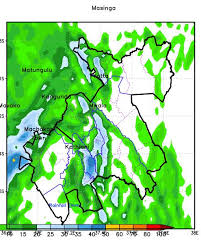
KMD emphasized that even 20 millimeters of rain is sufficient to saturate soils and trigger flooding in low-lying areas, particularly in urban centers with overwhelmed drainage systems.
Residents were urged to exercise caution, avoid low-lying areas, and refrain from unnecessary travel during heavy downpours, while ensuring water sources remain uncontaminated.
The perennial flooding in Nairobi is largely attributed to the city's inherent incapacity to absorb water, a problem exacerbated by overwhelmed and often blocked drainage systems.
These crucial systems, many designed decades ago during the colonial era for a much smaller population, have not been upgraded to match Nairobi's significant population growth.
Blockages frequently occur due to plastic bags, silt, construction sand, and deliberate dumping of garbage, with a lack of enforcement for environmental laws.
This faulty engineering and poor governance manifest in the inability of even moderate rains to drain effectively, leading to impassable roads, flooded homes, and disrupted livelihoods.
A significant contributing factor to the disaster is the confusion and lack of coordination among multiple government agencies operating in overlapping domains.
Entities such as the Nairobi City County Government (responsible for local roads and drains but lacking expertise), the National Youth Service (NYS) (contracted for unsustainable clearing efforts), Kenya Urban Roads Authority (KURA) (focusing on tarmac but not drains), Kenya National Highways Authority (KeNHA) (overseeing trunk road drainage without coordination), Kenya Airports Authority (KAA), and Kenya Wildlife Service (KWS) all maintaindrains within their jurisdictions with limited inter-agency communication.
This fragmentation leads to finger-pointing and a lack of accountability when disaster strikes, leaving citizens to bear the brunt of the consequences.

To address these systemic issues, sustainable and disruptive strategist Mr. Ahmedsiad has proposed several key solutions.
First, establishing a standalone Nairobi Drainage Maintenance Authority to oversee planning, budgeting, coordination, and implementation of stormwater management across the city.
Second, implementing a sustained maintenance program and public awareness campaign to keep drains blockage-free, utilizing innovative solutions like technology and citizen reporting.
Third, developing urban planning that complements natural topo-flow rather than defying it, preventing construction in areas that worsen flooding.
Fourth, rigorously enforcing environmental laws and penalizing illegal dumping with severe sanctions to incentivize proper waste disposal.
Fifth, creating both insurance and compensation funds to support flood victims.
Finally, promoting multi-agency collaboration between relevant government bodies and external stakeholders to break down informational silos and leverage technology for data gathering and dissemination, thereby fostering accountability.
Concurring with the need for long-term solutions, the National Water Harvesting and Storage Authority (NWHSA), through its CEO Julius Mugun, has called for a critical shift towards comprehensive water harvesting and storage strategies.

Mugun emphasized that while emergency response is vital, it does not address the root causes of perennial flooding.
He advocates for transforming stormwater from a destructive force into a valuable resource by actively capturing and storing runoff before it impacts critical infrastructure.
This approach involves integrated solutions beyond simple desilting, including a dual strategy of improved drainage coupled with aggressive water harvesting through upstream storage reservoirs, distributed systems within residential areas, small-scale water pans, and mandatory household harvesting.
Mugun reiterated NWHSA's commitment to collaborating with urban planners and local governments to implement such sustainable water infrastructure, underscoring the necessity of immediate vigilance and sustained political goodwill for infrastructure reform to build resilience against climate shocks.
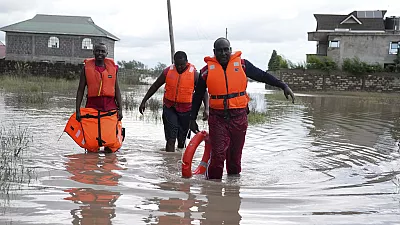
As the Kenya Meteorological Department anticipates a slight easing of rains on Sunday and Monday after peak intensity, the risk of flooding persists due to saturated soils.
The consistent cycle of disaster highlights a critical "political economy trap" where similar events unfold annually with ritualistic precision.
Effective leadership, political will, and concerted action across all levels of governance are imperative to implement the proposed solutions and ensure Nairobi's long-term resilience against devastating floods.