Nairobi Drowns in Catastrophe: Floods Claim Dozens, Spark Outrage Over 'Negligence & Corruption'
Nairobi experienced devastating flash floods in early March 2026, resulting in at least 42 national deaths, with 27 in the capital. The disaster, blamed on systemic corruption and poor infrastructure by activist Eric Omondi, led to widespread destruction, disrupted flights, and prompted emergency responses from President William Ruto. The event underscores critical urban planning failures and the escalating impact of climate change.
Nairobi was hit hard by devastating flash floods in early March 2026, leaving a trail of destruction and claiming many lives.
By March 7, the Cabinet Secretary for Public Service, Human Capital Development and Special Programmes, Geoffrey Ruku, confirmed that at least 42 people had died across Kenya due to the floods.
Nairobi County suffered the worst, with at least 27 deaths; 21 men, three women, and three boys.
The death toll rose further when 17 more fatalities were reported on March 7 alone.
On Friday, March 6, 2026, heavy rains flooded Nairobi, turning major roads like Uhuru Highway, Thika Superhighway, and Mombasa Road into flowing rivers.
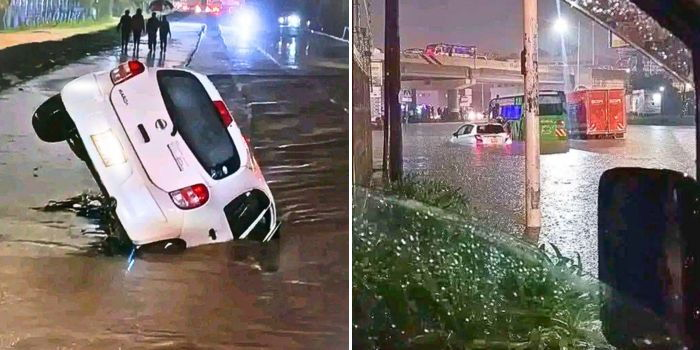
Thousands of drivers were stranded, with cars partially submerged, making the city look almost underwater.
The Kenya Red Cross rushed search and rescue teams to worst-hit areas, including the informal settlements of Mukuru, Mathare, and Kibra, as well as residential neighborhoods like South C and Nairobi West, as flooding caused widespread damage and chaos across the Nairobi Metropolitan area.
Comedian-turned-activist Eric Omondi toured Nairobi’s flood-hit areas on Sunday, March 8, and didn’t hold back.
In a fiery video, he blamed the city’s leaders for the disaster, calling it a result of “systemic corruption and negligence.” According to Omondi, the problem is straightforward: poor drainage and mountains of uncollected garbage clogging the city’s waterways.
“The cause is very simple: drainage and garbage,” he said.
While solutions are technically easy, he argued, leaders keep putting personal gain above public safety.
Omondi’s criticism hits at public frustration with stopgap measures like Governor Johnson Sakaja’s boat campaigns, calling instead for permanent fixes to prevent annual loss of life.
In response to the flooding crisis, William Ruto quickly deployed emergency teams, including soldiers, to help coordinate rescue operations across Nairobi.
He also ordered relief food from the country’s national reserves to be immediately distributed to families affected by the disaster and expressed condolences to those who lost loved ones.
Despite these efforts, the tragedy was visible across the city.
John Lomayan, a 34-year-old security guard, described the heartbreaking moment he discovered the body of an elderly roadside egg seller trapped beneath a car after the Nairobi River overflowed in the industrial area of Grogan.
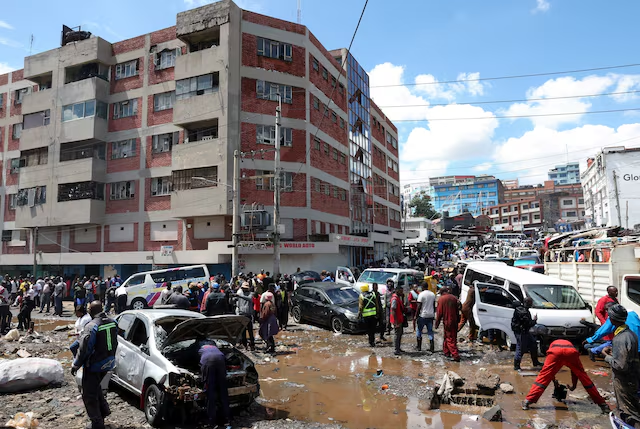
Meanwhile, bus driver John Mwai turned his bus into a rescue vehicle, helping move stranded residents to safer, higher ground.
Kenya Power also confirmed that flooding damaged equipment at one of its substations, leaving 14 neighborhoods without electricity.

The floods also disrupted travel, with Kenya Airways reporting flight interruptions to Nairobi. Some planes were even forced to divert to the coastal city of Mombasa as heavy rains made conditions difficult.
Scientists say the disaster is part of a bigger pattern. Across East Africa, global warming is making weather more extreme, turning normal rainfall into shorter but far more intense downpours that increase the risk of flooding and drought.
A 2024 study by World Weather Attribution found that climate change has made devastating rains in the region twice as likely as they used to be.
By the second week of March 2026, cleanup efforts had begun, but the tragedy had already sparked political tension.
Many people were now questioning the city’s preparedness and why more had not been done to protect residents from such deadly floods.