Decades in the Making: 'Routine' Moonshot Falters After 13-Year Odyssey
"Routine," the long-awaited sci-fi horror game, has finally been released after over a decade in development. While it impresses with its unique found-footage aesthetic and chilling early atmosphere on a retrofuturistic lunar base, frequent and predictable encounters with its unkillable adversaries ultimately diminish the tension, leading to a mixed reception.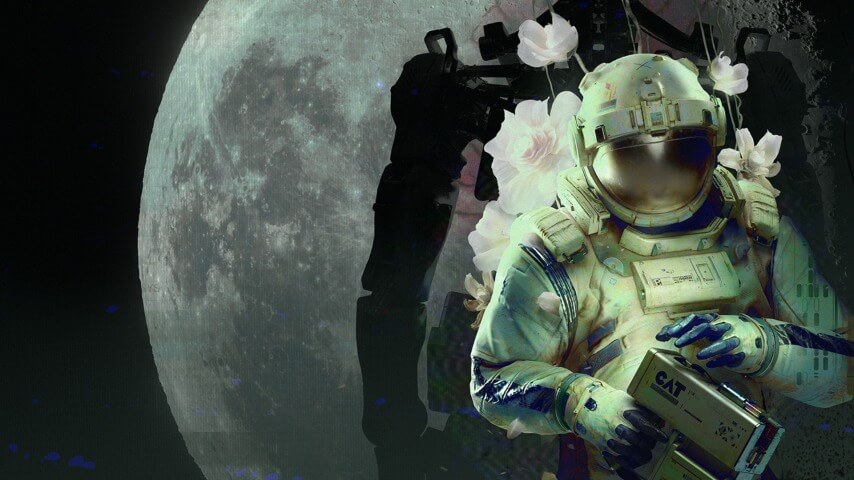
The sci-fi horror game "Routine" has finally seen its release, marking the end of an exceptionally long development journey that began with its initial announcement at Gamescom in 2012. Originally unveiled as the debut title from the small studio Lunar Software, the project faced significant internal difficulties and multiple delays, leading to its effective shelving for several years. Development remarkably resumed in 2020, revitalized with the backing of publisher Raw Fury and a near-complete reboot from its original state. After more than 13 years since its first reveal, the game’s eventual launch has been met with fervent anticipation from long-waiting devotees, setting up a perhaps impossible standard for a title with such an extended gestation period.
Unfortunately, "Routine" struggles to fully live up to over a decade of anticipation, despite possessing flashes of genuine brilliance. A significant part of its undoing stems from a classic pitfall in horror game design: the overexposure of its antagonists. The initial tension and the clever first-person puzzling elements begin to fizzle out as players are subjected to repeated encounters with seemingly unkillable adversaries. These frequent run-ins often culminate in players having to retreat to familiar hidey-holes, waiting for the enemies to mechanically restart their patrol routes – a mechanism that, ironically, strips away much of the fear, as there's little less scary than a predictable "patrol route."
However, before these core issues fully manifest, "Routine" excels in establishing a deeply unsettling atmosphere. The game introduces players as an unnamed software engineer arriving on a desolate commercial lunar base. This setting is masterfully crafted with retrofuturistic technology, flickering CRT screens, and an overarching sense of profound unease. The empty halls immediately prompt a natural and chilling question: "where did everyone go?" This initial mystery is compelling and drives the early exploration of the environment.
Progression involves acquiring and utilizing a specialized repair tool known as the C.A.T. This device becomes crucial for interacting with the rogue computer network that appears to be at the heart of the base's systemic failures. This process primarily involves navigating various puzzles while simultaneously attempting to evade the deadly killer robots that soon make their appearance. It is within these opening moments, prior to the ubiquitous presence of these chrome killers, that "Routine" achieves its most potent and eerie effect.
The game’s first-person presentation during these early stages is particularly noteworthy. It employs a washed-out color palette combined with an ever-so-slightly layer of digital grain, effectively creating the impression that the player is experiencing the playback of some forbidden VHS tape – a scenario not meant for public viewing. Adding significantly to this uncomfortable ambiance is the deliberate and near-complete absence of a traditional on-screen user interface. This design choice powerfully breaks down the barriers between the player and the game world, enhancing immersion. For example, interaction with the C.A.T. tool is direct and physical; players push its buttons to interface with various projectors and computer consoles throughout the base. There is no mini-map to guide, no inventory to manage, just the player navigating unforgivably dark corridors, always aware that a nasty surprise could be lurking around any corner.
Ultimately, while "Routine" offers moments of compelling atmosphere and innovative presentation, particularly in its initial hours, its inability to sustain genuine dread in the face of repetitive enemy encounters prevents it from fulfilling its vast potential. The meticulous buildup of tension, enhanced by its unique visual and UI design, is unfortunately undermined by the eventual prevalence of predictable threats, leaving players with a mixed experience after a monumental wait.