Dark Origins of Bridesmaid Dresses Revealed!
Uncover the ancient origins and evolving traditions of weddings, from Mesopotamia's first recorded ceremony to Rome's influence on Western customs. Explore the fascinating history behind bridesmaids, the maid of honor's duties, and why brides and their attendants once dressed identically for protection against real and spiritual dangers.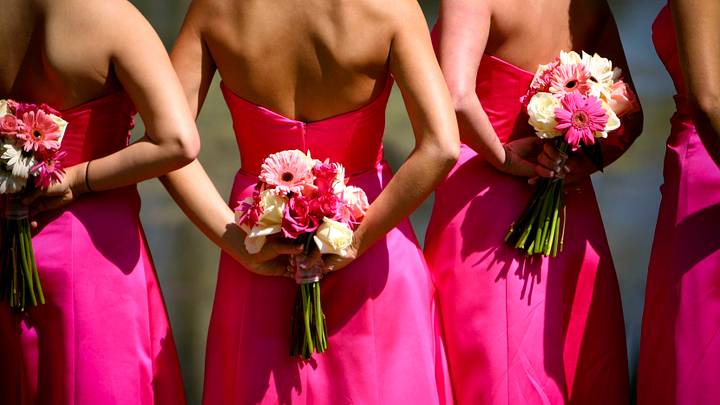
A wedding is a joyous occasion marking the open declaration of love between two individuals, embarking on a lifelong journey together. This ancient tradition, celebrated across diverse cultures, boasts a rich history with its earliest recorded marriage ceremony dating back to 2350 BC in Ancient Mesopotamia. The foundational framework for modern Christian weddings in the Western world largely stems from Ancient Rome. The enduring tradition of wearing a wedding ring on the third finger of the left hand, believed by Romans to have an important connection to the heart, is one such legacy.
The practice of having bridesmaids also traces its roots to Roman law, which mandated the presence of ten witnesses, forming what was known as a “bridal party.” Biblical accounts also make reference to maids accompanying the marriages of Leah and Rachel. The role of the maid of honor has a similarly long history, with her duties remaining remarkably consistent over time. She was traditionally expected to be the bride’s primary organizer and supporter, available for weeks prior to the wedding to offer assistance. A significant historical distinction, however, was her responsibility for safeguarding the bride's dowry, particularly its monetary component, a task fraught with importance and peril.
In contemporary Western society, the concept of bridesmaids is well-defined, though the challenge of finding a single dress style and color suitable for all remains a common hurdle. The origin of matching bridesmaids’ dresses is rooted in safety and superstition rather than mere style. Surprisingly, in ancient times, bridesmaids would often wear identical dresses to the bride herself. This practice served as a decoy, aimed at confusing both real and spiritual threats. Potential kidnappers or thieves might target the bride-to-be, as might malevolent spirits intent on casting curses or bringing misfortune, making the identical attire a protective measure.
The bride's gown itself hasn't always been white; this choice only became common in the 18th century. While often associated with purity, fashion historian Edwina Ehrman suggests that the white wedding dress was more a symbol of status. White fabric was exceptionally expensive, making a white dress an unaffordable luxury for most and thus a prestigious statement of wealth.