Cultural Justice: French Senate Moves to Return Stolen African Treasures
French senators have adopted a bill to simplify the return of colonial-era artworks to their countries of origin, streamlining a previously complex process. This new law, which establishes clear rules for restitution, addresses requests from countries like Benin, Algeria, Senegal, and Mexico, marking a significant step towards cultural dialogue and historical justice.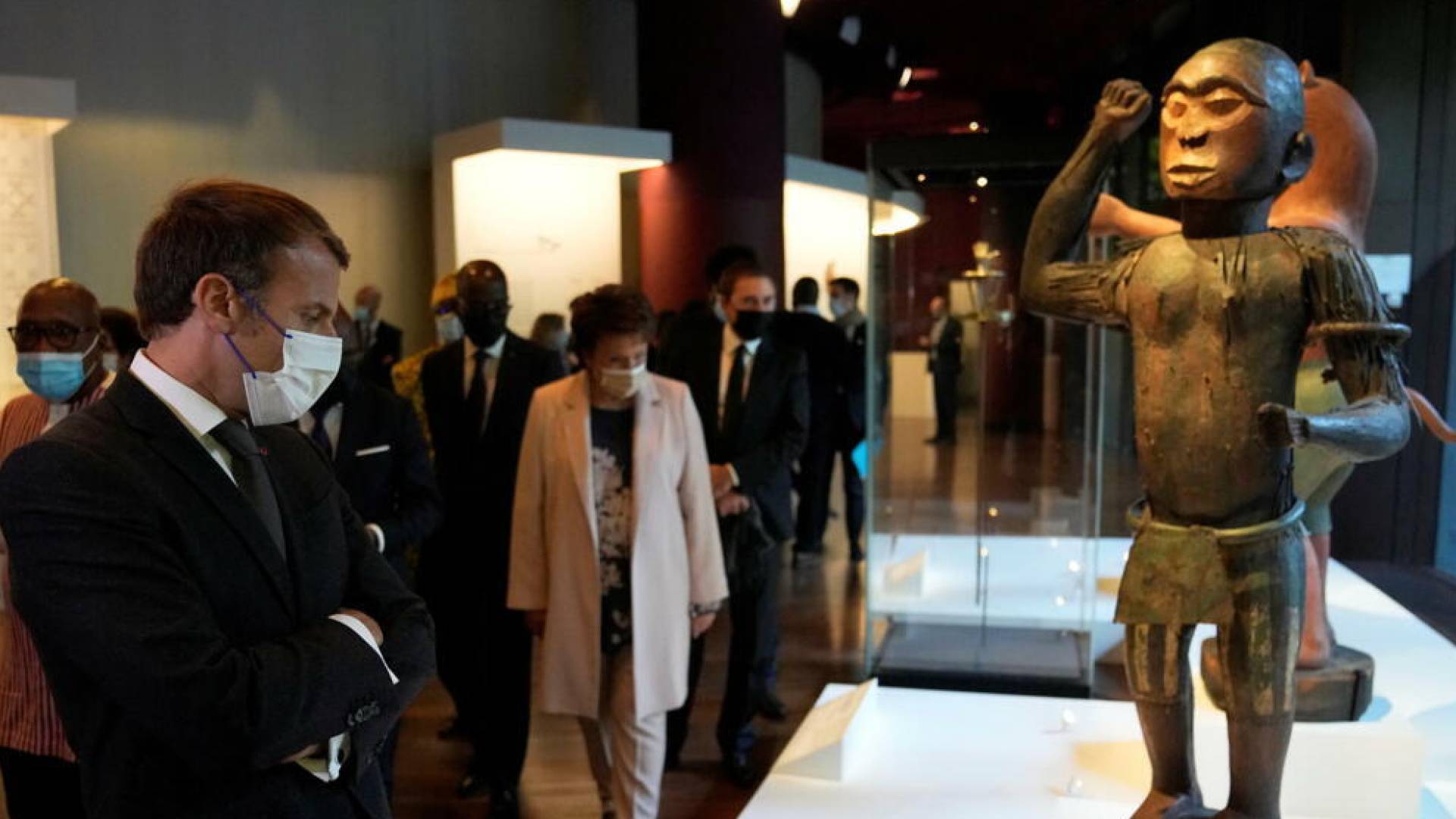
French senators have unanimously adopted a landmark bill designed to simplify the restitution of artworks and artefacts looted during the colonial era. The legislation represents a major departure from France’s former approach, which required each restitution request to be debated and approved individually by parliament—a process widely criticized as slow, complex, and inadequate for addressing the growing number of claims. The bill now moves to the National Assembly for consideration before becoming law.
France currently holds tens of thousands of artefacts taken from its former colonial territories. The new bill introduces a streamlined framework grounded in scientific and historical review, carried out in collaboration with requesting countries. By setting standardized procedures, the legislation aims to make restitution more transparent and efficient while fostering structured dialogue between France and formerly colonized states.
Senator Catherine Morin-Desailly, a long-standing advocate for restitution rights, described the bill as the result of nearly two decades of effort. She noted a significant change in mindset within French institutions, including museums, which are increasingly willing to confront questions of provenance, historical responsibility, and renewed cultural engagement. This shift, she argued, opens the door to deeper cooperation beyond the mere return of objects.
The bill applies strictly to artefacts whose illegal appropriation can be clearly established through historical evidence. Eligible items must originate from the current territory of the requesting state and must have been acquired between 1815 and 1972. Thirteen countries—mostly in Africa—have already submitted claims, including Benin’s request for the Gou God sculpture, alongside demands from Algeria, Senegal, and Mexico, underscoring the law’s wide-reaching implications for cultural justice and historical redress.